Introduction
Video games have become one of the most popular forms of entertainment in the world. Modern games offer impressive graphics, realistic characters, detailed environments, and exciting gameplay. However, one important element that often goes unnoticed is sound. Game sound effects play a major role in creating an enjoyable, realistic, and immersive gaming experience.
Imagine playing a racing game without hearing the engine of a car, the sound of tires on the road, or the noise of an accident. Similarly, imagine playing a horror game without scary background sounds, sudden footsteps, or mysterious noises. The experience would feel completely different and much less exciting.
Sound effects help players understand what is happening inside a game. They create emotions, provide important information, increase excitement, and make virtual environments feel more realistic. From the sound of footsteps in an action game to the powerful explosions in a shooting game, every sound can make gameplay more interesting.
Game developers spend considerable time designing and improving audio elements to ensure players enjoy a complete gaming experience. In this article, we will explore how game sound effects improve the gaming experience, why audio is important in modern video games, and how sound technology continues to change the gaming industry.
1. Creating a More Immersive Gaming Experience
One of the biggest advantages of game sound effects is their ability to make players feel part of the virtual world. Immersion means becoming deeply involved in a game and feeling connected to its environment, characters, and events.
Visual graphics show players what is happening, while sound effects help them experience those events more naturally.
For example, when a player enters a forest in an adventure game, they might hear birds singing, leaves moving, water flowing, and wind blowing through trees. These small audio details make the environment feel alive.
Without these sounds, the same forest might feel empty and unrealistic.
Similarly, in an open-world game, players may hear people talking, vehicles moving, animals making noises, and environmental sounds changing according to the location.
These audio details help create a believable gaming world.
Immersive sound effects are especially important in modern games because players expect realistic environments and engaging gameplay.
2. Making Gameplay More Realistic
Realism is an important part of modern video games. Developers try to create virtual experiences that look and feel similar to real life.
Sound effects contribute significantly to this goal.
For example, racing games use different engine sounds for different vehicles. A sports car may produce a powerful engine noise, while a motorcycle has a completely different sound.
These differences make vehicles feel unique.
In shooting games, players hear realistic gunshots, bullet impacts, explosions, and reloading sounds. These audio elements make combat more believable.
Sports games also depend on sound effects. The sound of a football being kicked, a basketball bouncing, or a crowd cheering makes gameplay more realistic.
Even small sounds, such as opening a door or picking up an object, can improve the overall experience.
When sound effects match what players see on the screen, the game feels more natural and convincing.
3. Increasing Excitement and Player Engagement
Sound effects can make exciting moments even more thrilling.
For example, imagine playing an action game where a powerful explosion happens during an intense battle. The visual explosion may look impressive, but adding a deep explosive sound makes the moment much more powerful.
Similarly, racing games use engine acceleration sounds, tire screeches, and collision noises to increase excitement.
In multiplayer games, sound effects can make victories, achievements, and important moments more rewarding.
A victory sound after winning a difficult match gives players a feeling of accomplishment.
Developers also use audio cues to build anticipation before major events. A rising sound effect can signal that something important is about to happen.
These techniques keep players interested and emotionally connected to the gameplay.
4. Helping Players Identify Important Events
Game sound effects are not only designed for entertainment. They also provide useful information.
Many games use audio signals to inform players about important events without requiring them to constantly look at the screen.
For example:
- A warning sound may indicate that an enemy is approaching.
- A notification sound may tell players that they have received an item.
- A low-health sound may warn players that their character needs attention.
- A reloading sound may indicate that an opponent’s weapon is temporarily unavailable.
- A special ability sound may inform players that an attack has been activated.
These audio signals make gameplay easier to understand.
In competitive games, sound can provide a major advantage because players can react to audio information quickly.
Good sound design ensures that important sounds are recognizable and do not become confusing.
5. Improving the Horror Gaming Experience
Horror games are among the best examples of how powerful sound effects can be.
In horror games, audio often creates fear before players even see an enemy.
A quiet environment with distant footsteps, strange whispers, creaking doors, and sudden noises can make players feel uncomfortable and nervous.
Developers use sound to create suspense and uncertainty.
For example, when a player walks through a dark hallway, a strange sound coming from another room can make them feel that something dangerous is nearby.
Sometimes, silence is just as important as sound.
When a game becomes completely quiet, players may start expecting something frightening to happen. A sudden loud sound can then create a powerful jump scare.
This combination of silence, background noise, and unexpected audio makes horror games more engaging.
6. Making Action and Shooting Games More Enjoyable
Action and shooting games depend heavily on sound effects.
Players need to recognize gunshots, explosions, footsteps, weapon reloads, and environmental sounds.
These sounds make battles feel intense and help players understand their surroundings.
In competitive shooting games, footsteps are particularly important. Players can sometimes identify an enemy’s location by listening carefully.
Different weapons may also have unique audio characteristics.
For example, a sniper rifle, shotgun, and assault rifle should sound different from one another. This allows players to recognize weapons through audio alone.
Sound effects also improve the feeling of impact. When a player successfully hits an opponent, an appropriate sound can make the action feel more satisfying.
Good audio design helps create exciting and responsive combat experiences.
7. The Importance of Background Music and Environmental Audio
Although background music and sound effects are different elements, they work together to improve the gaming experience.
Background music helps establish the mood of a game, while environmental sounds make its world feel alive.
For example, peaceful music may be used in a relaxing exploration game. Fast and energetic music may appear during an intense racing sequence.
Environmental audio includes sounds such as:
- Rain and thunderstorms.
- Wind and moving leaves.
- Ocean waves.
- Birds and animals.
- Traffic and city noise.
- Waterfalls and rivers.
These sounds help players understand the environment and feel connected to the virtual world.
Some games also change their music according to gameplay situations. Music may become more intense when enemies appear or when a boss battle begins.
This creates a more dynamic experience.
8. Improving Multiplayer Communication
Sound effects are particularly useful in multiplayer games.
Players often need to understand what their teammates and opponents are doing. Audio cues can provide important information during matches.
For example, footsteps may reveal that another player is approaching. Gunfire can indicate where a battle is happening, while explosion sounds may suggest that an enemy has used a powerful weapon.
Multiplayer games also use communication sounds to support teamwork.
Some games include audio notifications when teammates request help, mark an enemy, or complete an objective.
These features make communication more effective, especially when players are working together during competitive matches.
Clear audio can help teams coordinate their strategies and respond to changing situations.
9. The Role of 3D Audio and Surround Sound Technology
Gaming audio technology has improved significantly over the years.
Traditional stereo audio provides sound through two main channels. However, modern gaming systems can offer more advanced spatial audio experiences.
3D audio helps players understand where sounds are coming from.
For example, a player may hear footsteps approaching from behind, an enemy moving to the left, or an explosion happening at a distance.
Surround sound and spatial audio technologies can make these experiences more realistic.
This technology is particularly useful in:
- First-person shooter games.
- Open-world adventure games.
- Horror games.
- Racing games.
- Virtual reality games.
Headphones that support spatial audio can help players identify sound directions more accurately.
However, the quality of the experience depends on the game, hardware, audio settings, and the player’s hearing environment.
10. Making Characters Feel More Alive
Sound effects also help develop interesting and believable game characters.
Character sounds include voices, footsteps, breathing, jumping, fighting, and reactions to different situations.
For example, a tired character may breathe heavily after running for a long time. An injured character may make sounds that communicate pain.
These small details help players understand what characters are experiencing.
Voice acting is another important part of character development.
When characters have natural voices and believable reactions, players can connect with them emotionally.
Even simple sounds, such as footsteps changing according to the surface, can make characters feel more realistic.
11. How Sound Effects Improve Racing Games
Racing games are another genre where audio plays an important role.
Engine sounds help players feel the power and performance of different vehicles.
Tire sounds provide feedback when vehicles turn, drift, or lose control.
Other important racing game sounds include:
- Engine acceleration.
- Gear shifting.
- Braking.
- Tire friction.
- Vehicle collisions.
- Environmental traffic.
- Crowd reactions.
These audio elements make racing more exciting.
Some racing games also use changing engine sounds to communicate vehicle speed and performance.
This allows players to enjoy a more realistic driving experience.
12. Sound Effects in Sports Games
Sports games use audio to recreate the atmosphere of real sporting events.
For example, football games include crowd cheering, referee whistles, player communication, ball kicks, and goal celebrations.
Basketball games use sounds such as bouncing balls, sneakers moving across the court, whistles, and audience reactions.
These sounds make virtual sports events feel more authentic.
Crowd reactions are particularly important because they create an emotional connection between players and the virtual stadium.
A loud crowd celebration after a winning goal can make a simple gaming moment feel unforgettable.
13. Improving Accessibility for Different Players
Sound effects can also make video games more accessible.
Some players may have difficulty identifying important visual information during gameplay. Clear audio signals can provide another way to understand what is happening.
For example, audio notifications can inform players about menus, objectives, incoming attacks, and important events.
Games can also offer customizable audio settings, including:
- Separate volume controls.
- Subtitle options.
- Visual indicators for important sounds.
- Adjustable background music.
- Directional audio settings.
- Accessibility sound cues.
These features allow more players to enjoy video games according to their individual needs.
Good accessibility design considers different ways players interact with audio and visual information.
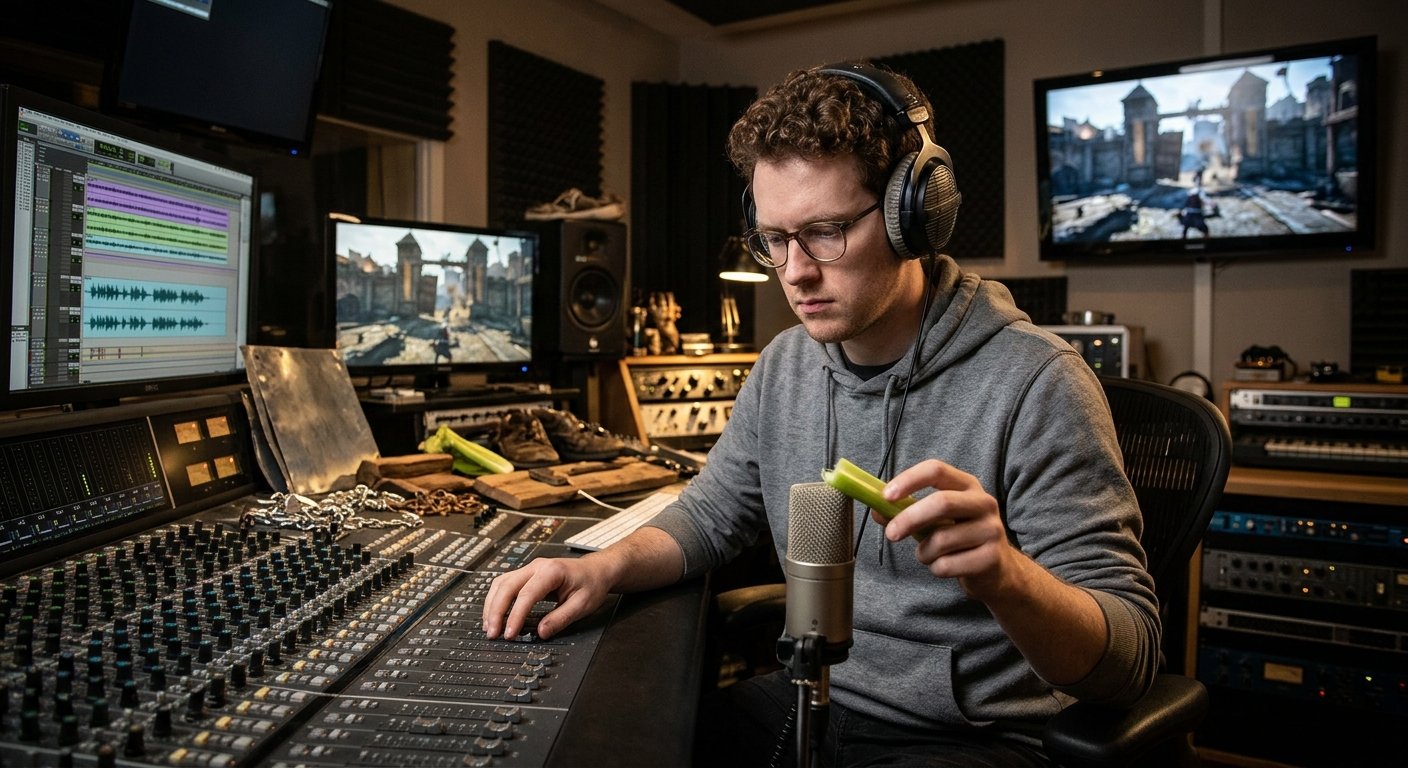
14. The Importance of Professional Sound Design
Creating high-quality game sound effects requires creativity, technical knowledge, and careful planning.
Game developers often work with sound designers, audio engineers, composers, and voice actors.
They create or record different sounds and then adjust them to match the gameplay.
Some sounds are recorded from real-world objects. Others are created digitally using specialized software.
For example, a fictional monster’s sound might be created by combining animal recordings, human voices, and digital effects.
Sound designers also consider volume levels, sound timing, frequency, and background noise.
The goal is to make every important sound clear without overwhelming the player.
Professional sound design ensures that audio supports the gameplay instead of distracting from it.
15. The Future of Game Sound Effects
Gaming audio technology continues to evolve.
Future games may offer more realistic environmental sounds, advanced spatial audio, and intelligent audio systems.
Artificial intelligence could also help developers create more dynamic sound experiences.
For example, AI-powered systems may adjust environmental audio according to player actions, weather conditions, or changing game situations.
Virtual reality gaming may also benefit from more accurate spatial audio.
Players could experience sounds that change naturally as they move their heads or explore virtual environments.
Cloud gaming and improved hardware may introduce additional opportunities for advanced audio experiences.
Although the technology will continue to develop, the main purpose of sound design will remain the same: making games more enjoyable, immersive, and engaging.
Conclusion
Game sound effects are an essential part of modern video games. They do much more than provide background noise. They help create realistic environments, increase excitement, communicate important information, and build emotional connections between players and virtual worlds.
From the sound of footsteps in horror games to engine noises in racing games, every audio detail contributes to the overall experience.
Modern technologies such as 3D audio and surround sound have made gaming environments even more immersive. At the same time, professional sound design continues to improve how players interact with characters, environments, and gameplay events.
As the gaming industry continues to grow, sound effects will remain an important element of game development.
A video game may have beautiful graphics and impressive gameplay, but without good audio, it can feel incomplete. Great sound effects transform ordinary gaming moments into memorable experiences.
Leave a Reply