
Category: Blogs

  • The Most Challenging Games That Test Your Skills

    The Most Challenging Games That Test Your Skills

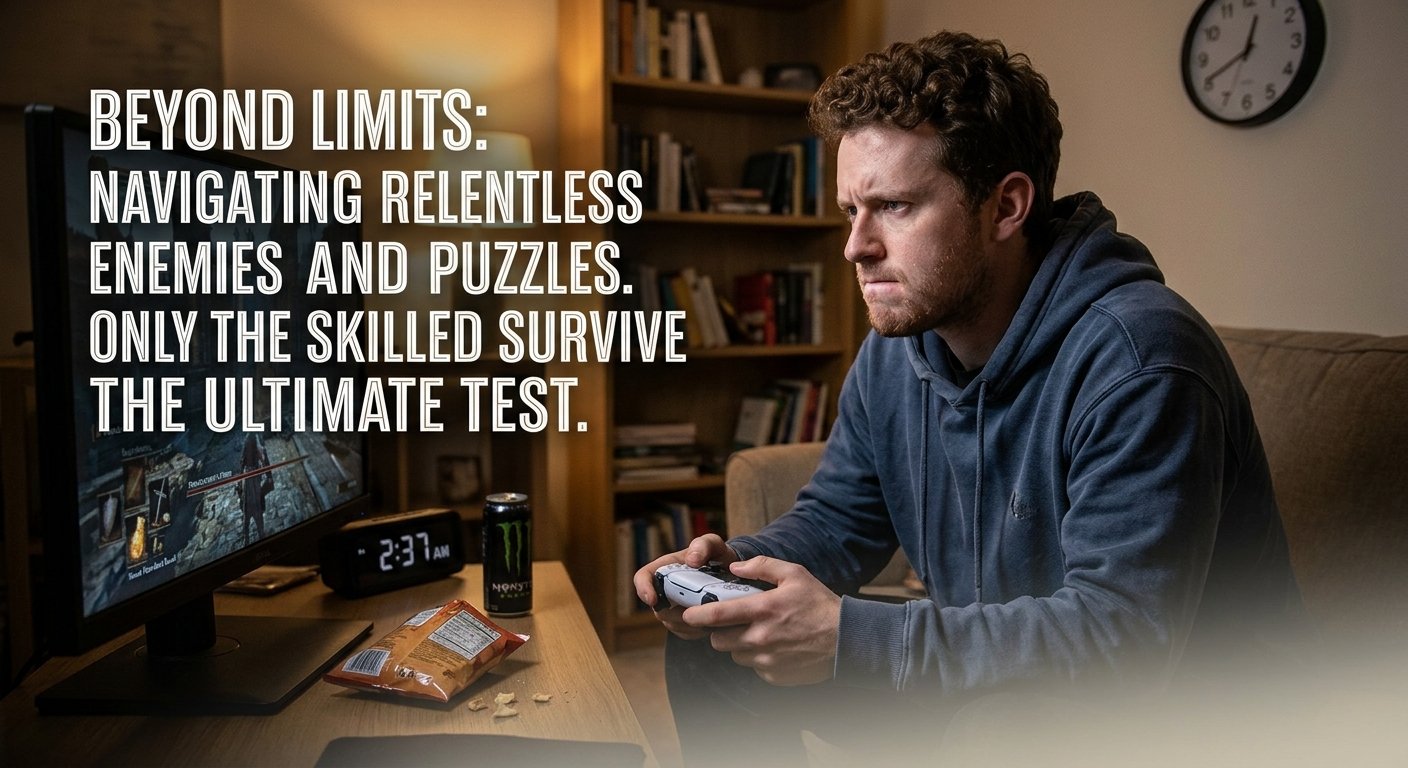
    The current image has no alternative text. The file name is: Gemini_Generated_Image_gwe9acgwe9acgwe9.jpg

    Introduction

    Video games are one of the most exciting forms of entertainment, offering players the opportunity to explore virtual worlds, complete missions, defeat powerful enemies, and test their abilities. While many games are designed to provide relaxing and enjoyable experiences, some titles are created to challenge players with difficult levels, powerful opponents, complicated puzzles, and demanding gameplay mechanics.

    The most challenging games test much more than basic gaming abilities. They require patience, concentration, quick reactions, strategic thinking, problem-solving skills, and determination. Players may need to repeat the same level several times, learn enemy attack patterns, improve their timing, and develop better strategies before achieving success.

    For many gamers, difficult games are more rewarding because every victory feels meaningful. Defeating a powerful boss or completing an extremely difficult mission creates a sense of accomplishment that is difficult to experience in easier games.

    Some challenging games focus on combat, while others test intelligence, memory, accuracy, survival instincts, or teamwork. From demanding action adventures to competitive multiplayer experiences, the gaming industry offers many titles that push players to their limits.

    In this article, we will explore some of the most challenging games that test your skills, explain what makes them difficult, and discuss how these games help players improve their gaming abilities.

    1. What Makes a Video Game Challenging?

    Before exploring individual games, it is important to understand what makes a video game difficult.

    A challenging game usually requires players to develop specific skills instead of relying only on luck. Developers create difficult experiences by introducing demanding enemies, complex missions, limited resources, strict timing, and complicated gameplay systems.

    Several factors can make a game challenging.

    Difficult Enemies and Boss Battles

    Some games feature powerful enemies with different attack patterns and abilities. Players must understand how enemies behave before they can defeat them.

    Boss battles are particularly challenging because they often require perfect timing, careful movement, and strategic decisions.

    Complex Gameplay Mechanics

    Games with complicated controls, advanced movement systems, or detailed combat mechanics can take considerable time to master.

    Players must learn how different abilities work together to become successful.

    Limited Resources

    Survival games often provide limited ammunition, food, health supplies, and equipment. Players must manage these resources carefully to survive.

    Time Pressure

    Some games require players to complete objectives within strict time limits. These situations test reaction speed, decision-making, and concentration.

    Strategic Thinking

    Strategy games challenge players to plan several steps ahead. A single mistake can sometimes change the outcome of an entire mission or match.

    2. Dark Souls III – A True Test of Patience and Combat Skills

    Dark Souls III is widely recognized as a demanding action role-playing game.

    Developed by FromSoftware, the game takes players into a dark fantasy world filled with dangerous enemies, mysterious locations, and powerful bosses.

    Its combat system requires careful timing, accurate movement, and strategic use of weapons and abilities.

    Players cannot simply attack enemies without thinking. They must study enemy movements, recognize attack patterns, dodge at the correct moment, and find opportunities to strike.

    Boss battles are among the most difficult parts of the experience. Many bosses have multiple attacks and can defeat careless players very quickly.

    The game also encourages exploration because hidden paths, useful equipment, and valuable items can make difficult encounters easier.

    Skills tested:

    • Reaction time.
    • Combat strategy.
    • Patience.
    • Enemy pattern recognition.
    • Resource management.

    Dark Souls III rewards players who learn from their mistakes and gradually improve their techniques.

    3. Elden Ring – Exploring a Dangerous Open World

    Elden Ring combines open-world exploration with challenging combat.

    Developed by FromSoftware, the game gives players enormous freedom to explore a fantasy world filled with dangerous creatures, mysterious dungeons, and powerful enemies.

    Although players can choose different weapons, abilities, and character builds, the game still presents many difficult encounters.

    Some bosses require players to understand complicated attack combinations. Others use powerful abilities that demand accurate timing and careful positioning.

    The open-world structure also creates interesting challenges. Players may encounter enemies that are much stronger than their current character.

    Instead of immediately fighting every opponent, players can explore other areas, improve their equipment, and return when they are better prepared.

    This makes Elden Ring an excellent test of patience, exploration, adaptability, and strategic thinking.

    Skills tested:

    • Exploration.
    • Combat timing.
    • Character development.
    • Adaptability.
    • Problem-solving.

    4. Sekiro: Shadows Die Twice – Mastering Timing and Precision

    Sekiro: Shadows Die Twice is another demanding action game developed by FromSoftware.

    Unlike many traditional action role-playing games, Sekiro focuses heavily on precise sword combat, defensive timing, and posture management.

    The deflection system is especially important. Players must block incoming attacks at the correct moment to break enemy posture and create opportunities for powerful counterattacks.

    Simply avoiding enemies is not always enough. Players must understand the combat system and become comfortable with its timing.

    Boss battles can be extremely demanding because enemies use different combinations of attacks, movement patterns, and special abilities.

    The game rewards practice and consistency. Players who learn enemy behavior gradually become more confident and effective in combat.

    Skills tested:

    • Reflexes.
    • Timing.
    • Concentration.
    • Precision.
    • Combat awareness.

    Sekiro is particularly suitable for players who enjoy mastering difficult combat mechanics.

    5. Cuphead – Difficult Boss Battles and Perfect Timing

    Cuphead is a run-and-gun action game known for its colorful cartoon-inspired visual style and demanding gameplay.

    Although the graphics look playful, the difficulty can be surprisingly intense.

    Most of the major challenges involve boss fights. Each boss has different attack patterns, stages, and abilities.

    Players must move carefully, avoid projectiles, jump over obstacles, and attack at the right moments.

    The game also rewards memorization. Understanding when a boss changes its attack pattern can make a major difference.

    Cuphead is especially challenging because players must combine movement, shooting, jumping, and timing while avoiding incoming attacks.

    Skills tested:

    • Hand-eye coordination.
    • Reflexes.
    • Pattern recognition.
    • Precision.
    • Persistence.

    It is a great choice for gamers who enjoy difficult boss encounters and fast-paced action.

    6. Super Meat Boy – Testing Your Platforming Skills

    Super Meat Boy is a fast-paced platforming game that challenges players with dangerous obstacles and complicated levels.

    The objective may appear simple, but reaching the end of each stage requires excellent movement control and precise timing.

    Players must avoid spinning blades, dangerous gaps, sharp objects, and moving obstacles.

    Some levels require extremely accurate jumps and rapid reactions.

    The game is designed around short but difficult challenges. Players can restart quickly after making mistakes, allowing them to learn the level and improve their performance.

    Super Meat Boy is an excellent example of how simple controls can create a highly challenging experience.

    Skills tested:

    • Movement accuracy.
    • Reaction speed.
    • Timing.
    • Hand-eye coordination.
    • Consistency.

    7. Celeste – A Challenge for Precision and Determination

    Celeste is a platforming adventure that combines challenging gameplay with an emotional story.

    Players control Madeline as she attempts to climb a dangerous mountain.

    The game introduces several movement mechanics, including jumping, climbing, and dashing through the air.

    As players progress, the levels become increasingly complicated.

    They must understand how different movement abilities work together to overcome difficult obstacles.

    Celeste also provides helpful accessibility and assist options, allowing players to adjust certain aspects of the experience.

    This makes it possible for different types of players to enjoy the game while still experiencing its challenging platforming design.

    Skills tested:

    • Precision.
    • Movement control.
    • Timing.
    • Problem-solving.
    • Determination.

    8. Sekiro, Dark Souls, and Elden Ring: Why FromSoftware Games Are So Difficult

    FromSoftware has developed several games known for their demanding gameplay.

    These titles often share certain design principles:

    First, enemies can punish careless actions. Players must pay attention to their surroundings and avoid unnecessary risks.

    Second, boss encounters require observation and practice. Understanding enemy behavior is often more important than simply having powerful equipment.

    Third, failure is treated as part of the learning process. Players are encouraged to recognize mistakes and adjust their strategies.

    These games may appear frustrating at first, but many players enjoy the satisfaction of gradually mastering their difficult systems.

    9. Hollow Knight – Exploring a Difficult Underground World

    Hollow Knight is a popular action-adventure game that combines exploration, platforming, and challenging combat.

    Players explore the underground kingdom of Hallownest, discovering hidden areas, dangerous enemies, and powerful bosses.

    The game does not always provide direct instructions about where to go. Players must explore, remember locations, and discover new routes.

    Boss battles require accurate movement, quick reactions, and an understanding of enemy attack patterns.

    Some areas also feature difficult platforming sections that demand careful jumping and precise movement.

    Hollow Knight is particularly interesting because its difficulty comes from both combat and exploration.

    Skills tested:

    • Exploration.
    • Navigation.
    • Combat strategy.
    • Reflexes.
    • Memory.

    10. DOOM Eternal – Fast Reactions and Aggressive Combat

    DOOM Eternal is a fast-paced first-person shooter that challenges players to remain active during intense battles.

    The game features powerful enemies, dangerous environments, and a combat system that rewards movement and aggressive decision-making.

    Players must constantly manage ammunition, health, and armor.

    Different enemies require different approaches, so selecting the right weapon at the right moment is important.

    Standing still for too long can make players vulnerable to attacks.

    The game encourages players to move around the battlefield, switch weapons, and react quickly to changing situations.

    Skills tested:

    • Reaction speed.
    • Weapon selection.
    • Movement.
    • Resource management.
    • Situational awareness.

    11. Getting Over It with Bennett Foddy – A Test of Mental Strength

    Getting Over It with Bennett Foddy is famous for its unusual controls and frustrating gameplay.

    Players control a character sitting inside a pot and use a hammer to climb a mountain made of different objects.

    The movement system is difficult to master because small mistakes can cause players to fall significant distances.

    The game does not rely on traditional running, jumping, or attacking mechanics. Instead, players must learn to control the hammer with careful mouse or input movements.

    Its biggest challenge is psychological.

    Players may spend a long time reaching a particular location, only to lose progress after one mistake.

    Success requires patience, emotional control, and a willingness to try again.

    Skills tested:

    • Precision.
    • Patience.
    • Mouse control.
    • Mental resilience.
    • Problem-solving.

    12. Counter-Strike 2 – Testing Competitive Shooting Skills

    Counter-Strike 2 is a competitive tactical first-person shooter that demands teamwork, accuracy, and strategic planning.

    Unlike many casual shooting games, success depends on more than having quick reactions.

    Players must understand maps, communicate with teammates, control weapon recoil, and make smart decisions during every round.

    Important skills include aiming, positioning, movement, and understanding the economy system.

    Players also need to predict enemy movements and coordinate attacks or defensive strategies.

    Because matches involve real opponents, every round can create unpredictable situations.

    Skills tested:

    • Aim accuracy.
    • Teamwork.
    • Map knowledge.
    • Strategic thinking.
    • Reaction speed.

    13. Chess-Based Strategy Games and Real-Time Strategy Challenges

    Strategy games test a different type of gaming ability.

    Instead of relying mainly on physical reactions, these games challenge players to think carefully, manage resources, and plan ahead.

    Games such as StarCraft II require players to manage their economy, build armies, explore maps, and respond to opponents.

    Players must often make several decisions within a short period.

    Good strategic planning can create advantages, but unexpected enemy actions may force players to change their approach.

    Chess is another excellent example of a challenging competitive game. It requires logical thinking, pattern recognition, memory, and long-term planning.

    Skills tested:

    • Strategic thinking.
    • Decision-making.
    • Resource management.
    • Memory.
    • Adaptability.

    14. Minecraft Survival Mode – Creativity and Survival Skills

    Minecraft may look simple compared with many difficult action games, but its survival mode can create demanding situations.

    Players begin with limited resources and must collect materials, build shelters, craft equipment, and protect themselves from hostile creatures.

    During the night, dangerous enemies may appear.

    Players must manage food, health, equipment durability, and available resources.

    Exploring caves and unfamiliar environments can also create unexpected challenges.

    On higher difficulty settings, survival becomes even more demanding.

    Minecraft is interesting because it combines creativity with resource management and survival skills.

    Skills tested:

    • Planning.
    • Creativity.
    • Resource management.
    • Exploration.
    • Survival strategy.

    15. The Most Important Skills Required to Beat Difficult Games

    Although challenging games are different from one another, many require similar abilities.

    Patience

    Patience is one of the most important skills in difficult games.

    Players may need multiple attempts to defeat a boss or complete a complicated level. Staying calm makes it easier to recognize mistakes and improve.

    Quick Reflexes

    Fast reactions are important in action games, fighting games, and competitive shooters.

    Players must respond quickly to attacks, obstacles, and unexpected situations.

    Strategic Thinking

    Some difficult games reward players who carefully plan their actions instead of attacking without preparation.

    Understanding enemy behavior, selecting equipment, and managing resources can improve success.

    Hand-Eye Coordination

    Many games require players to control characters accurately while observing multiple events on the screen.

    Good coordination helps players perform difficult movements and react more effectively.

    Problem-Solving

    Puzzle games, exploration games, and survival experiences often require players to understand complicated situations and discover creative solutions.

    Learning from Mistakes

    Failure can provide useful information.

    Instead of repeating the same actions, successful players examine what went wrong and adjust their strategies.

    16. How Difficult Games Help Improve Gaming Skills

    Challenging games can help players develop several abilities through practice.

    They encourage players to become more observant, patient, and strategic.

    For example, difficult action games can improve familiarity with timing and movement mechanics. Strategy games encourage planning and decision-making, while puzzle games challenge logical thinking.

    Competitive multiplayer games can also teach teamwork, communication, and adaptability.

    However, improvement depends on the individual player and the type of practice involved. Playing difficult games does not automatically improve every real-world ability.

    The most useful approach is to enjoy the learning process and focus on gradual improvement.

    17. Tips for Beginners Who Want to Play Difficult Games

    Starting a difficult game can feel overwhelming, especially for beginners.

    The following tips can make the experience more enjoyable.

    1. Start with a suitable difficulty: Choose a level that challenges you without making the experience unnecessarily frustrating.
    2. Learn the controls: Understanding movement, attacks, and special abilities can prevent avoidable mistakes.
    3. Study enemy patterns: Observe how opponents move and attack before choosing a strategy.
    4. Practice regularly: Short and consistent practice sessions can help improve familiarity with difficult mechanics.
    5. Use available resources: Tutorials, in-game guides, and training modes can help you understand complicated systems.
    6. Experiment with different strategies: If one approach does not work, try another weapon, ability, or tactic.
    7. Take breaks: Playing continuously while frustrated can make it harder to concentrate.
    8. Celebrate progress: Completing a difficult section is an achievement, even if you have not finished the entire game.

    The most important thing is to remember that gaming should remain enjoyable.

    18. How to Choose the Right Challenging Game for Your Skills

    Not every difficult game is suitable for every player.

    Some gamers enjoy fast-paced action, while others prefer puzzles, survival challenges, or competitive strategy.

    If you enjoy combat and powerful boss battles, Dark Souls III, Elden Ring, and Sekiro may be excellent choices.

    If you prefer platforming challenges, Celeste and Super Meat Boy offer demanding movement-based gameplay.

    For competitive shooting, Counter-Strike 2 and DOOM Eternal provide different types of action and skill challenges.

    If you enjoy strategic thinking, StarCraft II and chess-based games may be more suitable.

    Choosing a game that matches your interests can make difficult gameplay more rewarding.

    Conclusion

    The most challenging video games offer experiences that test patience, intelligence, reflexes, precision, and determination. They encourage players to improve their abilities, learn from mistakes, and develop new strategies.

    Games such as Dark Souls III, Elden Ring, Sekiro: Shadows Die Twice, Cuphead, Celeste, and Hollow Knight demonstrate how different gameplay styles can create demanding experiences.

    Some games test combat skills, while others challenge players through complicated puzzles, survival mechanics, or competitive matches.

    Although difficult games can sometimes feel frustrating, overcoming their challenges creates a strong sense of achievement.

    Whether you are a beginner looking to improve your gaming abilities or an experienced player searching for your next big challenge, there are plenty of exciting games waiting to test your skills.

    The real reward is not simply completing a difficult game. It is the experience of learning, improving, and becoming a better player along the way.


  • How Game Sound Effects Improve the Gaming Experience

    How Game Sound Effects Improve the Gaming Experience

    The current image has no alternative text. The file name is: Gemini_Generated_Image_8rl1918rl1918rl1.jpg

    Introduction

    Video games have become one of the most popular forms of entertainment in the world. Modern games offer impressive graphics, realistic characters, detailed environments, and exciting gameplay. However, one important element that often goes unnoticed is sound. Game sound effects play a major role in creating an enjoyable, realistic, and immersive gaming experience.

    Imagine playing a racing game without hearing the engine of a car, the sound of tires on the road, or the noise of an accident. Similarly, imagine playing a horror game without scary background sounds, sudden footsteps, or mysterious noises. The experience would feel completely different and much less exciting.

    Sound effects help players understand what is happening inside a game. They create emotions, provide important information, increase excitement, and make virtual environments feel more realistic. From the sound of footsteps in an action game to the powerful explosions in a shooting game, every sound can make gameplay more interesting.

    Game developers spend considerable time designing and improving audio elements to ensure players enjoy a complete gaming experience. In this article, we will explore how game sound effects improve the gaming experience, why audio is important in modern video games, and how sound technology continues to change the gaming industry.

    1. Creating a More Immersive Gaming Experience

    One of the biggest advantages of game sound effects is their ability to make players feel part of the virtual world. Immersion means becoming deeply involved in a game and feeling connected to its environment, characters, and events.

    Visual graphics show players what is happening, while sound effects help them experience those events more naturally.

    For example, when a player enters a forest in an adventure game, they might hear birds singing, leaves moving, water flowing, and wind blowing through trees. These small audio details make the environment feel alive.

    Without these sounds, the same forest might feel empty and unrealistic.

    Similarly, in an open-world game, players may hear people talking, vehicles moving, animals making noises, and environmental sounds changing according to the location.

    These audio details help create a believable gaming world.

    Immersive sound effects are especially important in modern games because players expect realistic environments and engaging gameplay.

    2. Making Gameplay More Realistic

    Realism is an important part of modern video games. Developers try to create virtual experiences that look and feel similar to real life.

    Sound effects contribute significantly to this goal.

    For example, racing games use different engine sounds for different vehicles. A sports car may produce a powerful engine noise, while a motorcycle has a completely different sound.

    These differences make vehicles feel unique.

    In shooting games, players hear realistic gunshots, bullet impacts, explosions, and reloading sounds. These audio elements make combat more believable.

    Sports games also depend on sound effects. The sound of a football being kicked, a basketball bouncing, or a crowd cheering makes gameplay more realistic.

    Even small sounds, such as opening a door or picking up an object, can improve the overall experience.

    When sound effects match what players see on the screen, the game feels more natural and convincing.

    3. Increasing Excitement and Player Engagement

    Sound effects can make exciting moments even more thrilling.

    For example, imagine playing an action game where a powerful explosion happens during an intense battle. The visual explosion may look impressive, but adding a deep explosive sound makes the moment much more powerful.

    Similarly, racing games use engine acceleration sounds, tire screeches, and collision noises to increase excitement.

    In multiplayer games, sound effects can make victories, achievements, and important moments more rewarding.

    A victory sound after winning a difficult match gives players a feeling of accomplishment.

    Developers also use audio cues to build anticipation before major events. A rising sound effect can signal that something important is about to happen.

    These techniques keep players interested and emotionally connected to the gameplay.

    4. Helping Players Identify Important Events

    Game sound effects are not only designed for entertainment. They also provide useful information.

    Many games use audio signals to inform players about important events without requiring them to constantly look at the screen.

    For example:

    • A warning sound may indicate that an enemy is approaching.
    • A notification sound may tell players that they have received an item.
    • A low-health sound may warn players that their character needs attention.
    • A reloading sound may indicate that an opponent’s weapon is temporarily unavailable.
    • A special ability sound may inform players that an attack has been activated.

    These audio signals make gameplay easier to understand.

    In competitive games, sound can provide a major advantage because players can react to audio information quickly.

    Good sound design ensures that important sounds are recognizable and do not become confusing.

    5. Improving the Horror Gaming Experience

    Horror games are among the best examples of how powerful sound effects can be.

    In horror games, audio often creates fear before players even see an enemy.

    A quiet environment with distant footsteps, strange whispers, creaking doors, and sudden noises can make players feel uncomfortable and nervous.

    Developers use sound to create suspense and uncertainty.

    For example, when a player walks through a dark hallway, a strange sound coming from another room can make them feel that something dangerous is nearby.

    Sometimes, silence is just as important as sound.

    When a game becomes completely quiet, players may start expecting something frightening to happen. A sudden loud sound can then create a powerful jump scare.

    This combination of silence, background noise, and unexpected audio makes horror games more engaging.

    6. Making Action and Shooting Games More Enjoyable

    Action and shooting games depend heavily on sound effects.

    Players need to recognize gunshots, explosions, footsteps, weapon reloads, and environmental sounds.

    These sounds make battles feel intense and help players understand their surroundings.

    In competitive shooting games, footsteps are particularly important. Players can sometimes identify an enemy’s location by listening carefully.

    Different weapons may also have unique audio characteristics.

    For example, a sniper rifle, shotgun, and assault rifle should sound different from one another. This allows players to recognize weapons through audio alone.

    Sound effects also improve the feeling of impact. When a player successfully hits an opponent, an appropriate sound can make the action feel more satisfying.

    Good audio design helps create exciting and responsive combat experiences.

    7. The Importance of Background Music and Environmental Audio

    Although background music and sound effects are different elements, they work together to improve the gaming experience.

    Background music helps establish the mood of a game, while environmental sounds make its world feel alive.

    For example, peaceful music may be used in a relaxing exploration game. Fast and energetic music may appear during an intense racing sequence.

    Environmental audio includes sounds such as:

    • Rain and thunderstorms.
    • Wind and moving leaves.
    • Ocean waves.
    • Birds and animals.
    • Traffic and city noise.
    • Waterfalls and rivers.

    These sounds help players understand the environment and feel connected to the virtual world.

    Some games also change their music according to gameplay situations. Music may become more intense when enemies appear or when a boss battle begins.

    This creates a more dynamic experience.

    8. Improving Multiplayer Communication

    Sound effects are particularly useful in multiplayer games.

    Players often need to understand what their teammates and opponents are doing. Audio cues can provide important information during matches.

    For example, footsteps may reveal that another player is approaching. Gunfire can indicate where a battle is happening, while explosion sounds may suggest that an enemy has used a powerful weapon.

    Multiplayer games also use communication sounds to support teamwork.

    Some games include audio notifications when teammates request help, mark an enemy, or complete an objective.

    These features make communication more effective, especially when players are working together during competitive matches.

    Clear audio can help teams coordinate their strategies and respond to changing situations.

    9. The Role of 3D Audio and Surround Sound Technology

    Gaming audio technology has improved significantly over the years.

    Traditional stereo audio provides sound through two main channels. However, modern gaming systems can offer more advanced spatial audio experiences.

    3D audio helps players understand where sounds are coming from.

    For example, a player may hear footsteps approaching from behind, an enemy moving to the left, or an explosion happening at a distance.

    Surround sound and spatial audio technologies can make these experiences more realistic.

    This technology is particularly useful in:

    • First-person shooter games.
    • Open-world adventure games.
    • Horror games.
    • Racing games.
    • Virtual reality games.

    Headphones that support spatial audio can help players identify sound directions more accurately.

    However, the quality of the experience depends on the game, hardware, audio settings, and the player’s hearing environment.

    10. Making Characters Feel More Alive

    Sound effects also help develop interesting and believable game characters.

    Character sounds include voices, footsteps, breathing, jumping, fighting, and reactions to different situations.

    For example, a tired character may breathe heavily after running for a long time. An injured character may make sounds that communicate pain.

    These small details help players understand what characters are experiencing.

    Voice acting is another important part of character development.

    When characters have natural voices and believable reactions, players can connect with them emotionally.

    Even simple sounds, such as footsteps changing according to the surface, can make characters feel more realistic.

    11. How Sound Effects Improve Racing Games

    Racing games are another genre where audio plays an important role.

    Engine sounds help players feel the power and performance of different vehicles.

    Tire sounds provide feedback when vehicles turn, drift, or lose control.

    Other important racing game sounds include:

    • Engine acceleration.
    • Gear shifting.
    • Braking.
    • Tire friction.
    • Vehicle collisions.
    • Environmental traffic.
    • Crowd reactions.

    These audio elements make racing more exciting.

    Some racing games also use changing engine sounds to communicate vehicle speed and performance.

    This allows players to enjoy a more realistic driving experience.

    12. Sound Effects in Sports Games

    Sports games use audio to recreate the atmosphere of real sporting events.

    For example, football games include crowd cheering, referee whistles, player communication, ball kicks, and goal celebrations.

    Basketball games use sounds such as bouncing balls, sneakers moving across the court, whistles, and audience reactions.

    These sounds make virtual sports events feel more authentic.

    Crowd reactions are particularly important because they create an emotional connection between players and the virtual stadium.

    A loud crowd celebration after a winning goal can make a simple gaming moment feel unforgettable.

    13. Improving Accessibility for Different Players

    Sound effects can also make video games more accessible.

    Some players may have difficulty identifying important visual information during gameplay. Clear audio signals can provide another way to understand what is happening.

    For example, audio notifications can inform players about menus, objectives, incoming attacks, and important events.

    Games can also offer customizable audio settings, including:

    • Separate volume controls.
    • Subtitle options.
    • Visual indicators for important sounds.
    • Adjustable background music.
    • Directional audio settings.
    • Accessibility sound cues.

    These features allow more players to enjoy video games according to their individual needs.

    Good accessibility design considers different ways players interact with audio and visual information.

    14. The Importance of Professional Sound Design

    Creating high-quality game sound effects requires creativity, technical knowledge, and careful planning.

    Game developers often work with sound designers, audio engineers, composers, and voice actors.

    They create or record different sounds and then adjust them to match the gameplay.

    Some sounds are recorded from real-world objects. Others are created digitally using specialized software.

    For example, a fictional monster’s sound might be created by combining animal recordings, human voices, and digital effects.

    Sound designers also consider volume levels, sound timing, frequency, and background noise.

    The goal is to make every important sound clear without overwhelming the player.

    Professional sound design ensures that audio supports the gameplay instead of distracting from it.

    15. The Future of Game Sound Effects

    Gaming audio technology continues to evolve.

    Future games may offer more realistic environmental sounds, advanced spatial audio, and intelligent audio systems.

    Artificial intelligence could also help developers create more dynamic sound experiences.

    For example, AI-powered systems may adjust environmental audio according to player actions, weather conditions, or changing game situations.

    Virtual reality gaming may also benefit from more accurate spatial audio.

    Players could experience sounds that change naturally as they move their heads or explore virtual environments.

    Cloud gaming and improved hardware may introduce additional opportunities for advanced audio experiences.

    Although the technology will continue to develop, the main purpose of sound design will remain the same: making games more enjoyable, immersive, and engaging.

    Conclusion

    Game sound effects are an essential part of modern video games. They do much more than provide background noise. They help create realistic environments, increase excitement, communicate important information, and build emotional connections between players and virtual worlds.

    From the sound of footsteps in horror games to engine noises in racing games, every audio detail contributes to the overall experience.

    Modern technologies such as 3D audio and surround sound have made gaming environments even more immersive. At the same time, professional sound design continues to improve how players interact with characters, environments, and gameplay events.

    As the gaming industry continues to grow, sound effects will remain an important element of game development.

    A video game may have beautiful graphics and impressive gameplay, but without good audio, it can feel incomplete. Great sound effects transform ordinary gaming moments into memorable experiences.

  • The Most Realistic Racing Games for Gaming

    The Most Realistic Racing Games for Gaming

    The current image has no alternative text. The file name is: Gemini_Generated_Image_qdury5qdury5qdur.jpg

    Introduction

    Racing video games have become one of the most exciting parts of the gaming industry. Modern racing titles offer much more than fast cars and competitive tracks. They allow players to experience realistic driving physics, powerful engines, detailed vehicles, changing weather conditions, professional racing circuits, and challenging motorsport competitions. With improvements in graphics and simulation technology, some racing games can provide experiences that closely resemble real-world driving.

    Many gamers enjoy racing games because they combine speed, skill, strategy, and excitement. Some players prefer casual racing with beautiful cars and open environments, while others want a professional simulation that requires accurate braking, careful steering, and a deep understanding of vehicle handling.

    Games such as iRacing, Assetto Corsa Competizione, Gran Turismo 7, Forza Motorsport, and F1 25 have become popular choices for players who want realistic racing experiences. Each title focuses on different aspects of motorsport, including Formula racing, endurance competitions, road cars, and professional circuit racing.

    Realistic racing games also introduce players to important concepts such as tire grip, braking distance, acceleration, aerodynamics, suspension, and racing lines. These features make the experience more challenging and rewarding.

    In this article, we explore the most realistic racing games, their major features, driving systems, graphics, and the reasons why racing enthusiasts enjoy them. We will also discuss the equipment that can make virtual racing more immersive.

    1. What Makes a Racing Game Realistic?

    A realistic racing game attempts to recreate important aspects of real-world driving and motorsport. It does not focus only on vehicle speed or attractive graphics. Instead, it combines different technical systems to make cars behave in believable ways.

    One of the most important features is driving physics. A realistic game should consider how a vehicle responds when the driver accelerates, brakes, turns, or changes direction. Different cars should also have different handling characteristics.

    Tire behaviour is another essential factor. Tires provide grip between the vehicle and the road, and their performance can change according to temperature, surface conditions, wear, and driving style.

    Realistic racing titles may also include aerodynamic effects, suspension movement, engine performance, mechanical damage, and weather conditions.

    Track accuracy is equally important. Professional racing circuits contain specific corners, elevation changes, braking zones, and road surfaces. Reproducing these details helps create an authentic racing experience.

    Finally, realistic sound design, detailed vehicle models, and competitive opponents contribute to immersion.

    2. iRacing – A Serious Competitive Racing Simulation

    iRacing is widely recognized as one of the leading choices for serious online sim racing. It focuses on competitive motorsport, structured events, realistic driving behaviour, and organized online competitions.

    Unlike many traditional racing games, iRacing places strong emphasis on racing discipline. Players participate in scheduled races, compete against other drivers, and develop their skills through a structured rating system.

    The simulation includes different types of motorsport, including stock cars, sports cars, open-wheel racing, and other racing categories.

    One of its important features is its competitive environment. Drivers are expected to follow racing rules, avoid unnecessary collisions, respect track limits, and demonstrate consistent driving.

    The game also offers a wide range of vehicles and circuits, although some content requires additional purchases alongside the membership.

    iRacing is particularly suitable for players who want to improve their racing skills and compete against other serious sim racers. It is generally designed for PC users and is not the easiest option for complete beginners.

    Its realistic competition system makes it an attractive choice for gamers who want more than casual racing.

    3. Assetto Corsa Competizione – Authentic GT Racing

    Assetto Corsa Competizione is one of the most focused realistic racing simulations available.

    Developed by Kunos Simulazioni, the game is the official GT World Challenge video game. It concentrates primarily on GT racing and provides a detailed representation of professional GT cars and competitions.

    The title includes vehicles from manufacturers such as Ferrari, Lamborghini, Porsche, McLaren, and Mercedes-AMG, depending on the available game content.

    One of its strongest features is its vehicle physics. The game simulates tire grip, aerodynamic effects, suspension behaviour, engine characteristics, and electronic driving systems.

    It also includes dynamic weather and day-night racing, allowing players to experience changing conditions during competitions.

    The tracks are carefully recreated, with laser-scanned circuits helping reproduce real-world layouts and surface details.

    Players can participate in different racing formats, including sprint and endurance competitions.

    Assetto Corsa Competizione is especially attractive to people who enjoy GT3 and GT4-style racing. It may feel challenging at first, but its detailed simulation makes it a rewarding experience for dedicated racing fans.

    The official game information describes its focus on realistic GT racing, tire behaviour, aerodynamics, and track accuracy. <a href=”https://assettocorsa.gg/assetto-corsa-competizione/”>Assetto Corsa Competizione official website</a>.

    4. Assetto Corsa – Freedom and Realistic Driving

    The original Assetto Corsa remains an important name in the sim racing community.

    It offers a combination of realistic vehicle handling, circuit racing, road cars, and flexible driving experiences. Its popularity is also supported by a strong PC modding community.

    Players can experience different types of vehicles and driving styles, including road cars, sports cars, race cars, and drifting vehicles.

    One of the game’s major advantages is its flexibility. PC players can explore community-created cars, tracks, and other modifications, depending on compatibility and installation requirements.

    The driving experience focuses on vehicle control, braking, acceleration, and understanding how different cars behave.

    Players can also experiment with vehicle setups to improve handling and performance.

    Assetto Corsa is a good choice for gamers who want to explore sim racing without being restricted to one particular motorsport category.

    Although it is an older title, its flexibility and community support have helped it remain relevant among racing enthusiasts.

    5. Assetto Corsa EVO – A New Generation of Simulation

    Assetto Corsa EVO is a newer entry in the Assetto Corsa series and aims to expand the franchise’s approach to realistic driving.

    The game features a selection of vehicles ranging from classic road cars to modern hypercars and racing machines.

    Its development focuses on improved graphics, vehicle behaviour, mechanical accuracy, and detailed environments.

    Laser-scanned tracks and dynamic weather are among the features highlighted by its developers.

    Assetto Corsa EVO is available through an Early Access development model, which means its features and content may continue changing as development progresses.

    Early Access also means players should understand that the experience may not represent a fully completed release.

    The game is particularly interesting for sim racing fans who want to follow the development of a modern driving simulator.

    Its official website describes its focus on vehicle accuracy, a new graphics engine, and realistic driving experiences. <a href=”https://assettocorsa.gg/assetto-corsa-evo/”>Assetto Corsa EVO official website</a>.

    6. Gran Turismo 7 – Realistic Racing on PlayStation

    Gran Turismo 7 is one of the most popular choices for PlayStation players who enjoy realistic car racing.

    Developed by Polyphony Digital, the game combines car collecting, professional circuit racing, vehicle customization, and detailed driving experiences.

    Players can explore a large selection of cars from different manufacturers and participate in various racing events.

    One of the most attractive features is its attention to vehicle presentation. Cars are carefully modelled, and players can examine their designs and customize different aspects of their vehicles.

    The game also provides racing challenges that encourage players to learn braking points, racing lines, and vehicle control.

    Gran Turismo 7 is more accessible than some highly demanding PC simulations, making it suitable for players who want a balance between realism and entertainment.

    It supports controller-based racing and can also provide a more immersive experience with compatible steering wheels and other accessories.

    The game is available on PlayStation 4 and PlayStation 5, with features depending on the platform.

    For console players who want to explore car culture and realistic circuit racing, Gran Turismo 7 is an important option.

    7. Forza Motorsport – Realistic Circuit Racing

    Forza Motorsport is another major racing franchise known for combining realistic driving with attractive visuals and a large collection of vehicles.

    Unlike the open-world Forza Horizon series, Forza Motorsport focuses mainly on circuit racing.

    Players can compete on different tracks, customize vehicles, improve their driving skills, and participate in structured racing events.

    The game includes features related to tire performance, braking, suspension, vehicle tuning, and changing track conditions.

    One of its strengths is accessibility. Players can enjoy the experience with a controller, while additional equipment such as a steering wheel can provide more realistic control.

    Forza Motorsport is designed for Xbox and PC platforms.

    It is suitable for gamers who want a balance between simulation and accessible gameplay rather than an extremely demanding professional racing environment.

    Its combination of car variety, circuit competitions, and driving customization makes it an important title in modern racing gaming.

    8. F1 25 – Experience the World of Formula 1

    F1 25 brings the excitement of Formula 1 racing into the gaming world.

    Developed by Codemasters and published by Electronic Arts, the game provides an experience based on the official Formula 1 championship.

    Players can race as professional drivers, compete with Formula 1 teams, and experience the challenges of racing at famous circuits.

    The game focuses on important elements of Formula racing, including high-speed cornering, braking, tire management, aerodynamic performance, and race strategy.

    Players must also consider pit stops, weather changes, tire selection, and fuel management during competitions.

    F1 25 includes career-related experiences and other racing modes that allow players to develop their own racing journeys.

    Its detailed presentation, recognizable teams, and competitive atmosphere make it especially attractive to Formula 1 fans.

    It is available on supported PC and modern console platforms.

    Although it is not designed to simulate every aspect of professional motorsport at the same level as dedicated hardcore simulations, it offers an engaging combination of realism and accessibility.

    9. rFactor 2 – Detailed Vehicle Physics

    rFactor 2 is a racing simulation designed for players who want detailed control over their driving experience.

    The game is particularly known among sim racing enthusiasts for its focus on vehicle behaviour, tire models, and racing conditions.

    Players can experience different types of racing vehicles and circuits while adjusting vehicle setups.

    The simulation emphasizes how cars respond to changes in grip, braking, acceleration, and track conditions.

    Weather and track conditions can also influence the racing experience, requiring drivers to adapt their strategies.

    rFactor 2 is often used by serious sim racers who enjoy technical experimentation and detailed vehicle control.

    It also supports a range of racing hardware, allowing players to build more advanced simulator setups.

    The game is mainly associated with PC sim racing and offers flexibility for players interested in different motorsport categories.

    Its technical depth makes it a strong option for people who enjoy understanding how vehicles behave rather than simply driving at high speeds.

    10. Automobilista 2 – A Wide Variety of Motorsport

    Automobilista 2 offers a broad selection of racing experiences.

    Developed by Reiza Studios, it includes different types of vehicles and motorsport categories, allowing players to explore more than one style of racing.

    Its content includes various racing cars, historic vehicles, open-wheel machines, and different circuit experiences.

    The game also focuses on environmental conditions, including changing weather and different times of day.

    These features can influence visibility, grip, and driving strategy.

    Automobilista 2 is especially appealing to players who want variety within a racing simulation.

    Rather than concentrating on a single championship, it allows gamers to explore several motorsport experiences in one title.

    The game’s flexibility and range of racing categories make it an interesting choice for PC sim racing fans.

    11. BeamNG.drive – Advanced Vehicle Physics and Damage

    BeamNG.drive offers a different type of realistic driving experience.

    Instead of focusing mainly on professional circuit competitions, it emphasizes vehicle physics, driving experimentation, and detailed crash simulation.

    One of its most recognizable features is its soft-body physics system.

    This technology allows vehicles to deform in response to collisions and other physical forces.

    Players can explore different environments, test vehicles, drive on challenging roads, and experiment with different scenarios.

    The game also supports a variety of vehicles and community-created content.

    Its realistic damage system makes collisions visually and physically detailed compared with many traditional racing games.

    BeamNG.drive is especially suitable for players who enjoy vehicle behaviour, driving experiments, off-road activities, and realistic crash physics.

    It demonstrates that racing and driving simulation can be about much more than winning a competition.

    12. Le Mans Ultimate – The World of Endurance Racing

    Le Mans Ultimate focuses on endurance motorsport, particularly the FIA World Endurance Championship and the famous 24 Hours of Le Mans.

    Endurance racing requires drivers to manage speed, tire condition, fuel, traffic, and changing environmental conditions over long periods.

    The game brings these elements into a virtual racing experience.

    Players can experience different endurance racing categories and compete using detailed racing cars.

    Pit-stop strategy is especially important because drivers need to manage fuel, tires, and race conditions.

    Long-distance competitions also require consistency and patience.

    A driver cannot simply accelerate aggressively throughout the entire race. They must balance speed with vehicle control and strategic decisions.

    Le Mans Ultimate is a strong option for gamers who enjoy long races and the technical challenges of endurance motorsport.

    It offers a different experience from short circuit competitions and emphasizes race management alongside driving ability.

    13. EA SPORTS WRC – Realistic Rally Racing

    Rally racing is very different from traditional circuit racing.

    Instead of competing on the same track with several drivers, rally drivers usually race against the clock on challenging roads.

    EA SPORTS WRC brings this motorsport experience into video gaming.

    Players can drive rally cars across different types of surfaces, including gravel, asphalt, and other challenging conditions.

    Rally racing requires excellent vehicle control because drivers must deal with sharp turns, changing grip, narrow roads, and unpredictable environments.

    Co-driver instructions are also important. They help players understand upcoming corners and road conditions.

    The game provides different rally experiences and vehicles inspired by professional rally competition.

    EA SPORTS WRC is suitable for players who want a challenging racing game that requires precision and quick decision-making.

    Its focus on rally driving makes it different from conventional circuit-based racing simulations.

    14. What Is the Difference Between Simulation and Arcade Racing?

    Not every racing game attempts to recreate real-world driving in the same way.

    Simulation racing games focus on vehicle behaviour, tire physics, braking, steering, and other technical aspects of driving.

    Arcade racing games usually prioritize accessibility, speed, exciting action, and entertainment.

    For example, a simulation title may require players to brake carefully before entering a corner because losing grip can cause the vehicle to spin.

    An arcade racing game may allow more aggressive driving and easier recovery from mistakes.

    There are also games that combine both styles. These are often described as simcade racing games.

    They provide some realistic driving systems while remaining accessible to players who do not want extremely demanding controls.

    The best choice depends on personal preference.

    Players who want a professional motorsport experience may prefer simulation games, while those who simply want enjoyable races may choose arcade titles.

    15. The Importance of Realistic Driving Physics

    Driving physics are one of the most important features of realistic racing games.

    They determine how a car responds to steering, acceleration, braking, road surfaces, and changes in direction.

    A vehicle’s weight distribution can influence its handling. A front-heavy car may behave differently from a rear-engine sports car.

    Acceleration also affects vehicle balance. Applying too much power while turning can cause the tires to lose grip.

    Braking requires similar control. Entering a corner too quickly can cause the vehicle to slide or leave the track.

    Realistic simulations allow players to learn these behaviours through experience.

    Understanding driving physics can improve virtual racing performance and help players appreciate the engineering behind real vehicles.

    16. Tire Grip and Temperature Management

    Tires are essential to vehicle performance.

    They provide the grip needed for acceleration, braking, and cornering.

    In realistic racing simulations, tire behaviour can change according to temperature, wear, pressure, and driving conditions.

    If a player pushes too aggressively, tires may lose performance and make the vehicle harder to control.

    Different tire compounds may also provide different levels of grip and durability.

    For example, softer tires may offer strong performance but wear more quickly, while harder compounds may last longer under certain conditions.

    Players must understand how to manage their tires during a race.

    This becomes especially important in endurance competitions, where tire strategy can influence the final result.

    17. Dynamic Weather and Changing Track Conditions

    Weather can have a major influence on racing performance.

    Rain changes the grip available between tires and the track surface. Wet conditions may require slower cornering, longer braking distances, and more careful acceleration.

    Some racing games include dynamic weather systems that change during a competition.

    A race may begin under dry conditions and later experience rain.

    Drivers must decide when to change tires and adjust their driving strategies.

    Temperature and lighting conditions can also influence the overall experience.

    Dynamic weather makes racing less predictable and encourages players to adapt instead of relying on one fixed strategy.

    It also improves immersion by making virtual races feel closer to real motorsport events.

    18. Realistic Tracks and Famous Racing Circuits

    Track accuracy is another important part of realistic racing games.

    Professional racing circuits contain carefully designed corners, straights, braking zones, elevation changes, and safety areas.

    Some games recreate famous tracks using laser-scanning technology.

    This process helps capture detailed information about the track surface and layout.

    Popular real-world circuits represented in racing games include:

    • Nürburgring Nordschleife
    • Circuit de Spa-Francorchamps
    • Silverstone Circuit
    • Monza
    • Suzuka International Racing Course
    • Circuit de Barcelona-Catalunya
    • Le Mans Circuit

    Each circuit presents different challenges.

    Some tracks have long straights that reward high-speed performance, while others contain technical corners that require precise braking and steering.

    Learning these tracks is an important part of becoming a better virtual racer.

    19. Racing Wheels and Pedals Improve Realism

    Although realistic racing games can be played with a standard controller, a steering wheel and pedal set can provide a more immersive experience.

    A racing wheel allows players to control steering through physical movement instead of using small controller inputs.

    Force feedback is especially important. It can communicate information about steering resistance, road surfaces, and tire grip.

    Pedals also provide more precise control over acceleration and braking.

    Advanced setups may include:

    • Force-feedback steering wheels
    • Separate accelerator and brake pedals
    • Clutch pedals
    • Gear shifters
    • Handbrakes
    • Racing seats
    • Multi-monitor displays
    • Virtual reality headsets

    A direct-drive wheelbase can provide strong and detailed force feedback, although it is not necessary for beginners.

    Players should choose equipment according to their budget and gaming preferences.

    20. Can Racing Games Improve Driving Skills?

    Racing games can help players understand certain concepts related to vehicle control and motorsport.

    They may develop awareness of racing lines, braking points, cornering techniques, and vehicle balance.

    Players can also learn why smooth steering and controlled acceleration are important.

    However, virtual racing is not a replacement for real-world driving lessons.

    Real roads contain unpredictable traffic, pedestrians, road hazards, and legal responsibilities that cannot be fully reproduced in a game.

    A racing simulator may help develop familiarity with motorsport concepts, but players should not assume that success in a game automatically makes them safe or skilled real-world drivers.

    Real driving requires proper training, legal licensing, and practical experience.

    21. How to Choose the Best Realistic Racing Game

    Choosing the right racing game depends on the type of experience a player wants.

    Someone interested in professional Formula 1 may prefer F1 25. A player who enjoys GT racing may choose Assetto Corsa Competizione.

    People who want serious online competition can explore iRacing, while PlayStation players looking for an accessible and polished racing experience may prefer Gran Turismo 7.

    Before choosing a game, consider the following factors:

    Platform Compatibility: Check whether the game supports your PC, PlayStation, or Xbox system.

    Driving Realism: Consider whether you prefer a demanding simulation or a more accessible racing experience.

    Car Selection: Different games focus on different types of vehicles.

    Track Variety: Check whether the game includes the circuits and racing environments you enjoy.

    Multiplayer: Some titles focus strongly on online competitions, while others offer more single-player content.

    Hardware Support: Check compatibility with your steering wheel, pedals, and other accessories.

    Budget: Consider the initial game price, subscriptions, downloadable content, and additional equipment.

    Selecting a game that matches your interests will make the racing experience more enjoyable.

    22. The Future of Realistic Racing Games

    The future of realistic racing games will likely be influenced by improvements in graphics, artificial intelligence, physics simulation, and immersive hardware.

    Advanced game engines may help developers create more detailed vehicle models, realistic lighting, and accurate environmental effects.

    Artificial intelligence may improve computer-controlled opponents by making their driving behaviour more responsive and competitive.

    Virtual reality can provide another level of immersion by allowing players to experience the racing environment from inside the cockpit.

    Motion simulation systems may also become more advanced, allowing compatible equipment to reproduce movement and vibration.

    Cloud technology could make certain demanding gaming experiences accessible across a wider range of devices, depending on internet performance and platform support.

    At the same time, developers will continue working to improve vehicle physics and online racing systems.

    The goal is not simply to make racing games look realistic. It is to create experiences where driving, competition, and vehicle behaviour feel convincing.

    Conclusion

    Realistic racing games have transformed virtual motorsport into an exciting experience for players around the world.

    Titles such as iRacing, Assetto Corsa Competizione, Gran Turismo 7, Forza Motorsport, F1 25, rFactor 2, and BeamNG.drive offer different approaches to realistic driving.

    Some focus on professional circuit competitions, while others emphasize vehicle physics, rally racing, endurance events, or car customization.

    The most important features of realistic racing games include accurate driving physics, tire behaviour, detailed tracks, dynamic weather, realistic sound, and competitive racing systems.

    Players can enjoy these experiences with a standard controller or create a more immersive setup using steering wheels and pedals.

    As gaming technology continues to improve, racing simulations are likely to become even more detailed and engaging.

    For racing enthusiasts, these games provide an opportunity to explore motorsport, understand vehicle behaviour, and experience the excitement of competitive driving from home.

    Frequently Asked Questions (FAQs)

    1. What is the most realistic racing game?

    There is no single answer for every player. iRacing is a strong choice for organized online competition, while Assetto Corsa Competizione is particularly focused on realistic GT racing. Other options include rFactor 2 and Gran Turismo 7.

    2. Which racing game has the most realistic car physics?

    Several games are recognized for detailed vehicle simulation, including iRacing, Assetto Corsa Competizione, rFactor 2, and Assetto Corsa. Their strengths differ depending on the type of racing and driving experience.

    3. Is Gran Turismo 7 realistic?

    Yes. Gran Turismo 7 combines detailed vehicle models, driving systems, racing circuits, and car customization. It also offers an accessible experience for players using controllers.

    4. Is Assetto Corsa Competizione good for beginners?

    It can be played by beginners, but its GT racing simulation may require practice. New players can gradually learn braking, steering, tire management, and racing techniques.

    5. What is the best realistic racing game for PC?

    Popular PC options include iRacing, Assetto Corsa, Assetto Corsa Competizione, rFactor 2, Automobilista 2, and BeamNG.drive. The best choice depends on the type of racing experience you prefer.

    6. Do I need a steering wheel to play realistic racing games?

    No. Many realistic racing games support controllers. However, a compatible steering wheel and pedal set can provide more precise control and a more immersive experience.

    7. Which racing game is best for Formula 1 fans?

    F1 25 is a strong choice for players who want an officially licensed Formula 1 experience, including teams, drivers, circuits, and championship-related gameplay.

    8. What is the difference between arcade and simulation racing?

    Arcade racing focuses on accessible controls and exciting gameplay, while simulation racing places greater emphasis on vehicle physics, tire grip, braking, and realistic driving behaviour.

    9. Can racing games teach real driving?

    Racing games can introduce players to concepts such as braking points and racing lines, but they cannot replace professional driving lessons or real-world driving experience.

    10. What equipment is best for realistic sim racing?

    A force-feedback steering wheel, pedals, and a stable racing setup can improve immersion. Advanced players may also use direct-drive wheelbases, racing seats, gear shifters, and virtual reality headsets.


    SEO Keywords: Most Realistic Racing Games, Best Realistic Racing Games, Realistic Car Racing Games, Racing Simulation Games, Best Car Driving Games, Realistic Driving Physics, High Graphics Racing Games, Best Racing Games for PC, Realistic Racing Games for Consoles, Car Racing Simulator.

  • Open World Games: Why Gamers Love Exploring Virtual Worlds

    Open World Games: Why Gamers Love Exploring Virtual Worlds

    The current image has no alternative text. The file name is: Gemini_Generated_Image_e953tpe953tpe953.jpg

    Introduction

    Video games have become much more than simple activities designed to entertain players for a few minutes. Modern gaming offers enormous digital environments where people can explore unfamiliar locations, discover hidden secrets, complete challenging missions, interact with characters, and create their own adventures. Among the different types of video games, open-world games have become especially popular because they give players the freedom to experience virtual worlds in their own way.

    Unlike traditional games that usually follow a fixed sequence of levels, open-world games allow players to explore large environments with fewer restrictions. Players can travel through cities, forests, mountains, deserts, oceans, and fictional worlds while deciding which activities they want to complete. Some players prefer following the main storyline, while others enjoy exploring unknown locations, collecting items, completing side missions, or simply travelling around the game world.

    Popular titles such as Grand Theft Auto V, Red Dead Redemption 2, Minecraft, The Legend of Zelda: Breath of the Wild, and Elden Ring demonstrate how different open-world experiences can be. Each game offers its own environment, gameplay systems, challenges, and opportunities for exploration.

    The popularity of open-world games comes from their ability to combine freedom, creativity, adventure, storytelling, and discovery. Players are not simply watching a story unfold; they become active participants in a world that responds to their actions.

    This article explores what open-world games are, why gamers enjoy exploring virtual worlds, the features that make these games special, popular examples, and how technology may shape their future.

    1. What Are Open World Games?

    Open-world games are video games that allow players to explore large digital environments without following a completely fixed path. They usually provide a central storyline, but players can often choose when and how to complete different activities.

    In a traditional linear game, the player generally progresses through a sequence of levels or missions. The next area may remain unavailable until a particular objective has been completed. Open-world games provide greater freedom by allowing players to visit different locations and discover activities independently.

    For example, in an open-world adventure, a player might begin with a main mission but decide to explore a nearby village, climb a mountain, collect resources, or help another character instead.

    The environment becomes an important part of the experience. Players can discover hidden locations, interact with objects, meet different characters, and encounter unexpected events.

    Open-world games can belong to many genres, including action, adventure, role-playing, survival, racing, and simulation. Their defining characteristic is not simply the size of the map but the freedom they provide for exploration and interaction.

    2. Freedom of Exploration Makes Every Adventure Different

    One of the biggest reasons gamers love open-world games is the freedom to explore.

    Players are not always required to follow the same route or complete every mission in a specific order. They can decide where to go, what to investigate, and how to spend their time.

    This freedom makes gaming feel more personal. Two players may begin the same game but experience completely different adventures because they make different choices.

    For example, one player may spend hours exploring a large city, discovering buildings, and completing side activities. Another may focus entirely on the main storyline and its important missions.

    Some players enjoy finding secret locations, while others prefer fighting enemies, collecting valuable items, or discovering new landscapes.

    The ability to choose creates a strong sense of independence. Players feel that they are controlling their own journey instead of simply following instructions.

    This is why exploration remains one of the most attractive features of open-world gaming.

    3. Massive Virtual Worlds Create a Sense of Adventure

    Open-world games often feature enormous environments that make players feel as if they are travelling through another world.

    These environments may include modern cities, ancient kingdoms, futuristic planets, forests, mountains, deserts, islands, and underwater locations.

    Developers carefully design these areas to provide different visual experiences and gameplay opportunities.

    A city might contain busy streets, shops, buildings, vehicles, and pedestrians. A forest may feature wildlife, hidden paths, natural resources, and dangerous creatures. A mountainous region may offer difficult climbing challenges and beautiful views.

    The variety of environments makes exploration exciting because players never know exactly what they might discover next.

    Large virtual worlds also create a sense of scale. Travelling from one region to another can make the game feel like a real journey rather than a series of disconnected levels.

    For many gamers, discovering a beautiful or mysterious location is just as enjoyable as completing a difficult mission.

    4. Grand Theft Auto V: Exploring a Living City

    Grand Theft Auto V is one of the most recognizable examples of an open-world video game.

    Developed by Rockstar Games, the title takes place in Los Santos and its surrounding areas, inspired by Southern California.

    The game allows players to explore a large environment containing roads, residential areas, beaches, mountains, businesses, and countryside locations.

    Players can drive different vehicles, participate in activities, complete missions, explore the environment, and experience the world through three main protagonists.

    One reason GTA V remains popular is the variety of things players can do outside the main storyline. They can explore the city, discover interesting locations, interact with the environment, and participate in different activities.

    Grand Theft Auto Online extends the experience by allowing players to interact with other people in an evolving online environment.

    The game demonstrates how a detailed city, player freedom, and varied activities can create a memorable open-world experience.

    5. Red Dead Redemption 2: A Beautiful and Detailed Natural World

    Red Dead Redemption 2 is widely regarded as one of the most detailed open-world games ever created.

    Developed by Rockstar Games, it takes players into a fictional version of the American frontier during the late nineteenth century.

    The environment includes forests, rivers, mountains, villages, towns, farms, and wide open landscapes.

    Players explore the world as Arthur Morgan, a member of the Van der Linde gang. Along the way, they experience a detailed story and interact with different characters.

    The game’s world feels distinctive because of its environmental details. Weather changes, wildlife moves through natural habitats, and different locations have their own atmosphere.

    Players can travel on horseback, hunt animals, fish, discover settlements, and explore places away from the main missions.

    These activities create a sense of living inside a virtual world rather than simply completing a list of objectives.

    Red Dead Redemption 2 demonstrates how realistic environments and environmental storytelling can make exploration emotionally engaging.

    6. Minecraft: A World Limited Mainly by Imagination

    Minecraft offers a very different type of open-world experience.

    Instead of focusing on realistic graphics, the game uses a distinctive block-based visual style. Players explore a world made from different materials, environments, and resources.

    They can collect materials, build structures, create tools, explore caves, fight creatures, and develop entire communities.

    One of Minecraft’s most important features is creative freedom. Players can construct houses, castles, farms, cities, machines, and imaginative landscapes.

    The game also provides different modes for different experiences. Survival mode focuses on gathering resources and managing dangers, while Creative mode gives players access to resources for building and experimentation.

    Minecraft demonstrates that an open world does not need highly realistic graphics to be enjoyable.

    Its popularity comes from exploration, creativity, freedom, and the ability to shape the environment according to individual ideas.

    7. The Legend of Zelda: Breath of the Wild and Tears of the Kingdom

    The Legend of Zelda: Breath of the Wild introduced a highly flexible approach to open-world adventure.

    Players explore the kingdom of Hyrule, where mountains, forests, villages, ruins, and other locations create opportunities for discovery.

    The game encourages experimentation. Players can climb many surfaces, use environmental objects, solve puzzles, and approach challenges in different ways.

    Its sequel, The Legend of Zelda: Tears of the Kingdom, expands the experience with additional exploration possibilities and creative gameplay systems.

    Players can discover new locations, solve environmental puzzles, and experiment with objects to overcome obstacles.

    These games demonstrate that exploration becomes more rewarding when players are encouraged to think creatively instead of following only one solution.

    8. The Excitement of Discovering Hidden Secrets

    Hidden secrets are another important reason why open-world games attract players.

    Developers often place hidden caves, rare items, mysterious locations, secret missions, and unexpected discoveries throughout the game world.

    Players who explore carefully may find things that are not immediately visible on the map.

    Some secrets require solving puzzles, defeating powerful enemies, or completing specific activities. Others can be discovered simply by travelling away from common routes.

    The possibility of finding something unexpected creates curiosity.

    Players may continue exploring because they want to know what is behind a mountain, inside an abandoned building, or at the end of an unfamiliar path.

    These discoveries can make the experience feel rewarding even when players are not completing the main storyline.

    Hidden content also encourages communities to share discoveries, discuss mysteries, and help other players find rare locations.

    9. Side Missions Make the World More Interesting

    Open-world games often include side missions that exist outside the main storyline.

    These missions may involve helping characters, finding lost objects, solving problems, exploring unusual locations, or completing challenges.

    Side missions give players more reasons to explore the world.

    They can also introduce interesting characters and provide additional information about the game’s setting.

    For example, a player may discover a small settlement and receive a task from someone living there. Completing that task might reveal another location or introduce a new storyline.

    Side missions also give players more control over their progress. They can complete them whenever they want instead of following a strict sequence.

    When designed properly, these activities make the game world feel more complete and meaningful.

    10. Realistic Graphics Improve Virtual Exploration

    Graphics play an important role in creating believable open-world environments.

    Modern game developers use advanced rendering techniques, detailed textures, realistic lighting, shadows, and animation to make virtual locations visually engaging.

    Realistic graphics can help players appreciate the details of a city, forest, ocean, or mountain range.

    For example, changing sunlight can affect the appearance of buildings, while rain and fog can create different atmospheres.

    Character animation also contributes to realism. Natural movement and believable interactions make the environment feel more convincing.

    However, impressive graphics are not the only requirement for a successful open-world game. A visually beautiful world must also contain interesting activities and meaningful exploration opportunities.

    A well-designed environment combines visual quality with gameplay, atmosphere, and interaction.

    11. Dynamic Weather and Day-Night Cycles

    Many modern open-world games include changing weather and day-night systems.

    These features make the environment feel more active and less predictable.

    A location may look completely different during the morning, afternoon, evening, or night. Sunlight, darkness, shadows, and artificial lighting can change the atmosphere of the same place.

    Weather conditions may include rain, snow, storms, fog, wind, and clear skies.

    These systems can also affect gameplay. Rain may reduce visibility, darkness may make certain areas more dangerous, and snow may change the appearance of roads and landscapes.

    In some games, environmental conditions influence wildlife, character behaviour, or available activities.

    Dynamic weather and time systems make exploration more interesting because players experience the world under changing conditions.

    12. Freedom to Choose Different Playstyles

    Open-world games allow players to approach challenges in different ways.

    Some players prefer direct combat, while others use stealth, exploration, strategy, or creative problem-solving.

    In role-playing games, players may also customize characters, select abilities, choose equipment, and develop different skills.

    For example, one player might focus on powerful weapons and direct attacks. Another may prefer avoiding enemies or using long-range strategies.

    This flexibility creates variety and allows players to develop their own approach.

    The ability to experiment also increases replay value. Players may return to a game and try a different character build, strategy, or route.

    Open-world gaming becomes more enjoyable when players can express their preferences through gameplay choices.

    13. Character Development and Personal Progress

    Many open-world games include character progression systems.

    Players may earn experience points, unlock abilities, collect equipment, improve weapons, and develop new skills.

    These systems give exploration a sense of purpose.

    A player might discover a hidden location and receive a useful item. Completing a side mission may unlock a new ability or provide resources for future challenges.

    Progression also creates long-term goals. Players can gradually improve their characters and prepare for more difficult missions.

    Role-playing games often provide particularly detailed progression systems, allowing players to make choices that influence how their characters develop.

    This sense of improvement encourages players to continue exploring and experimenting.

    14. Social Interaction in Online Open Worlds

    Open-world gaming is not limited to single-player experiences.

    Many games provide online environments where players can meet, cooperate, compete, and communicate.

    For example, Grand Theft Auto Online allows players to participate in different activities and missions together. Minecraft offers multiplayer worlds where friends can build structures, explore locations, and create shared projects.

    Online interaction adds another layer to exploration.

    Players can discover locations together, organize challenges, exchange resources, and create their own activities.

    Communities also form around shared experiences. People discuss strategies, share screenshots, publish videos, and help one another discover hidden features.

    This social aspect can make virtual worlds feel more meaningful because players are creating memories with other people.

    15. Creativity and Building in Sandbox Games

    Sandbox games are closely connected to open-world gaming because they often allow players to experiment with the environment.

    Instead of focusing only on completing missions, sandbox experiences give players tools to create, modify, and organize virtual spaces.

    Minecraft is a famous example because players can construct almost anything using the available building materials.

    Some other games provide tools for designing vehicles, creating structures, customizing characters, or developing user-generated content.

    Creativity gives players a different reason to explore. They may search for rare resources, find suitable building locations, or collect materials for a large project.

    Sandbox gameplay also encourages experimentation. Players can test ideas, make mistakes, and improve their creations.

    This freedom is especially attractive to gamers who enjoy designing things rather than simply following a storyline.

    16. Exploration Games and Emotional Storytelling

    Open-world games can use exploration to communicate stories and emotions.

    Not every story needs to be explained through dialogue or cinematic scenes. Sometimes the environment itself provides important information.

    An abandoned building may suggest that something happened there in the past. A destroyed settlement may reveal the consequences of a conflict. A forgotten object may provide clues about a character’s history.

    This technique is often called environmental storytelling.

    Players gradually understand the world by observing locations and discovering details.

    Exploration can also create emotional experiences. A beautiful landscape may encourage players to pause and appreciate the environment, while a mysterious or dangerous area can create tension.

    When storytelling and exploration work together, players become more connected to the virtual world.

    17. Survival and Resource Management

    Some open-world games combine exploration with survival mechanics.

    Players must collect food, water, materials, equipment, and other resources to remain safe.

    They may also need to manage health, temperature, stamina, and other survival conditions.

    These systems make exploration more challenging because players must consider their decisions.

    Travelling into a dangerous region without sufficient supplies may create serious problems. Finding a safe location or collecting useful materials can become an important achievement.

    Survival games also encourage players to understand their surroundings.

    Forests may provide wood, caves may contain valuable resources, and dangerous areas may offer rare rewards.

    The combination of exploration and survival creates tension, strategy, and a strong sense of accomplishment.

    18. Open-World Racing Games

    Open-world exploration is also popular in racing games.

    Traditional racing games often focus on tracks and specific competitions. Open-world racing games allow players to drive through large environments and discover different roads and activities.

    For example, the Forza Horizon series provides large driving environments where players can explore cities, countryside areas, and different landscapes.

    Players can participate in races, discover vehicles, complete challenges, and customize their driving experience.

    The freedom to travel around the map makes these games appealing to people who enjoy cars and exploration.

    Open-world racing also allows players to appreciate vehicle design and environmental details outside competitive events.

    19. The Role of Music and Sound in Virtual Worlds

    Sound design is essential for creating an immersive open-world experience.

    Background music can establish the atmosphere of a location, while environmental sounds help make the world feel active.

    Players may hear birds in forests, traffic in cities, wind in mountains, waves near beaches, or distant activity in populated areas.

    These sounds provide information about the surroundings and strengthen the feeling of being present in the environment.

    Music can also support storytelling and emotional moments. A peaceful soundtrack may make exploration relaxing, while dramatic music can increase tension during dangerous encounters.

    Audio design is particularly important because it allows developers to communicate atmosphere even when players are not looking directly at something.

    20. Open-World Games Encourage Curiosity

    Curiosity is one of the strongest motivations behind exploration.

    Players often want to discover what exists beyond a visible mountain, behind a locked door, or inside an unfamiliar building.

    Open-world games encourage this behaviour by placing interesting locations and activities throughout the environment.

    The desire to discover something new can keep players engaged even without immediate rewards.

    Sometimes the reward is simply finding a beautiful location or understanding an interesting part of the game’s story.

    Curiosity also creates conversations within gaming communities. Players exchange theories, discuss unusual discoveries, and share information about hidden areas.

    A well-designed open world makes players feel that there is always something new to discover.

    21. The Challenges of Designing Large Virtual Worlds

    Although open-world games provide exciting experiences, creating them is extremely difficult.

    Developers must build environments that are large enough to encourage exploration but interesting enough to avoid feeling empty.

    A huge map is not automatically a good map. If players spend too much time travelling through areas without meaningful activities, the experience may become repetitive.

    Developers must also manage technical performance. Large environments can contain many characters, objects, buildings, and environmental effects.

    These systems must work smoothly across the intended platforms.

    Another challenge is maintaining consistency. The world should feel believable, and its different regions should fit together naturally.

    Testing is especially important because players can approach locations and missions in many different ways.

    Successful open-world design requires a balance between size, detail, freedom, performance, and meaningful activities.

    22. Can Open-World Games Become Repetitive?

    Despite their popularity, open-world games sometimes face criticism for repetitive missions and activities.

    A game may contain a large map but rely on the same types of tasks throughout the experience.

    For example, players might repeatedly collect objects, clear enemy camps, or complete similar side missions.

    When activities lack variety, exploration can become less exciting.

    Developers can reduce repetition by creating meaningful side stories, unique locations, interesting characters, environmental challenges, and different gameplay systems.

    Players also appreciate when exploration leads to unexpected discoveries rather than simply another marker on the map.

    The best open-world experiences give players reasons to explore beyond completing a checklist.

    23. The Future of Open-World Gaming

    The future of open-world games is likely to involve improvements in artificial intelligence, graphics, environmental simulation, and multiplayer technology.

    Artificial intelligence may help create more responsive characters and dynamic interactions. Non-player characters could potentially react more naturally to player actions and changing situations.

    Improved game engines may allow developers to create more detailed environments, realistic lighting, and advanced physics.

    Virtual reality could also introduce new ways to experience digital worlds, allowing players to explore environments through immersive technology.

    Cloud gaming may support access to demanding games across different devices, depending on network performance and platform availability.

    Procedural generation may help developers create large environments and varied content, although carefully designed locations will remain important for meaningful exploration.

    The future of open-world gaming will not simply be about making maps larger. The real challenge will be creating worlds that feel believable, interactive, and worth exploring.

    24. Why Open-World Games Will Remain Popular

    Open-world games combine several features that appeal to different types of players.

    Some people enjoy adventure and exploration, while others prefer storytelling, combat, racing, building, or social interaction.

    Because open-world games can combine these activities, they attract a broad gaming audience.

    They also provide opportunities for players to create their own experiences. One person may spend hours exploring, while another focuses on missions or character progression.

    This flexibility gives games long-term value and encourages players to return to familiar environments.

    As technology improves, developers will have more opportunities to create detailed worlds and meaningful interactions.

    Open-world games are likely to remain an important part of the gaming industry because they offer something that many players value: the freedom to decide what happens next.

    Conclusion

    Open-world games have changed the way people experience video games by providing freedom, exploration, creativity, and immersive virtual environments.

    Instead of following a completely fixed path, players can discover locations, complete missions, interact with characters, collect resources, and create their own adventures.

    Games such as Grand Theft Auto V, Red Dead Redemption 2, Minecraft, The Legend of Zelda: Breath of the Wild, and Forza Horizon demonstrate the variety of experiences that open-world gaming can offer.

    The popularity of these games comes from their ability to make players feel involved in a living digital environment. Beautiful landscapes, hidden secrets, side missions, character development, and social interaction all contribute to the experience.

    Although designing large virtual worlds creates technical and creative challenges, developers continue to find new ways to make exploration more interesting.

    As artificial intelligence, graphics technology, and immersive platforms develop, open-world games may become even more interactive and realistic.

    Ultimately, gamers love exploring virtual worlds because these experiences provide freedom, discovery, and adventures that can feel different every time they play.

    Frequently Asked Questions (FAQs)

    1. What are open-world games?

    Open-world games are video games that allow players to explore large environments and complete activities with a high degree of freedom instead of following only a fixed sequence of levels.

    2. Why do gamers love open-world games?

    Gamers enjoy open-world games because they provide exploration, freedom, creativity, interesting stories, hidden secrets, and opportunities to experience virtual environments in different ways.

    3. What are the best open-world games?

    Popular open-world games include Grand Theft Auto V, Red Dead Redemption 2, Minecraft, The Legend of Zelda: Breath of the Wild, Elden Ring, and Forza Horizon 5.

    4. What is the difference between open-world and linear games?

    Open-world games generally allow players to explore environments and choose activities more freely. Linear games usually follow a more structured sequence of missions or levels.

    5. Is Minecraft an open-world game?

    Yes. Minecraft provides large worlds where players can explore, collect resources, build structures, survive challenges, and create their own experiences.

    6. Are open-world games suitable for beginners?

    Many open-world games are suitable for beginners, although their difficulty and complexity vary. Players can often explore at their own pace and learn different systems gradually.

    7. What makes a good open-world game?

    A good open-world game combines meaningful exploration, interesting locations, enjoyable gameplay, believable environments, varied activities, and a rewarding sense of discovery.

    8. Are all open-world games multiplayer?

    No. Some open-world games are designed mainly for single-player experiences, while others provide multiplayer features that allow people to explore and play together.

    9. Why are open-world games so large?

    Large environments give players opportunities to explore different regions, discover hidden content, complete missions, and experience a more expansive virtual world.

    10. What is the future of open-world gaming?

    Future open-world games may include more advanced artificial intelligence, realistic graphics, dynamic environments, improved multiplayer systems, and new immersive technologies.

  • The World’s Most Expensive Video Games Ever Made

    The World’s Most Expensive Video Games Ever Made

    The current image has no alternative text. The file name is: Gemini_Generated_Image_nqwvgnnqwvgnnqwv.jpg

    Introduction

    The video game industry has changed dramatically over the past few decades. What once started as simple pixel-based entertainment has developed into a global business involving advanced technology, enormous development teams, realistic graphics, cinematic storytelling, and millions of players. Modern video games can take several years to produce and require investments worth hundreds of millions of dollars.

    Some of the world’s biggest gaming projects have budgets comparable to major Hollywood films. Developers spend money on programmers, designers, artists, voice actors, musicians, motion-capture performers, marketing campaigns, online infrastructure, and post-launch updates. As games become more detailed and ambitious, their production costs continue to increase.

    Games such as Grand Theft Auto V, Cyberpunk 2077, Genshin Impact, and Star Citizen demonstrate how expensive modern game production can become. Some titles have required enormous investments during development, while others have accumulated substantial costs through years of updates, advertising, and online services.

    However, comparing gaming budgets is not always straightforward. Some figures include development and marketing, while others represent spending across the entire life of a game. Certain projects also remain in development for many years. Therefore, reported figures should be understood according to what they actually measure.

    In this article, we explore the world’s most expensive video games ever made, examine their reported budgets, and explain why creating modern gaming experiences requires such significant investment.

    1. Why Are Modern Video Games So Expensive?

    Modern video games are expensive because they require a combination of technology, creativity, and professional expertise. A major open-world game may include enormous environments, hundreds of characters, realistic animations, complex artificial intelligence, detailed sound effects, and thousands of interactive objects.

    Creating these features requires large teams working together for several years. Programmers develop the systems that make the game function, artists create its visual world, designers build missions and gameplay mechanics, and sound professionals produce its audio experience.

    Development is only one part of the total cost. Publishers may also spend significant amounts on advertising, trailers, promotional events, influencer campaigns, and international distribution.

    After release, many games continue receiving updates, new content, security improvements, and online services. These activities can add substantial expenses over time.

    For these reasons, the most expensive video games are not necessarily those with the largest initial development budgets. A game’s total financial investment may include several years of production, marketing, and post-launch support.

    2. Grand Theft Auto VI – One of the Most Expensive Gaming Projects

    Grand Theft Auto VI is among the most anticipated video games in the world and has attracted enormous attention because of its expected production scale.

    Developed by Rockstar Games, the upcoming title is designed to deliver a detailed open-world experience with advanced graphics, realistic environments, complex characters, and extensive gameplay systems.

    The project has reportedly involved years of development and a large international workforce. Building a game of this size requires substantial investment in programming, animation, world design, performance optimization, sound production, and testing.

    Its exact total budget has not been officially disclosed by Rockstar Games or its parent company, Take-Two Interactive. However, industry reports and analyst estimates have suggested that the overall investment could reach approximately $1 billion to $1.5 billion. These are estimates, not confirmed company figures. <a href=”https://www.ft.com/content/0543316e-003b-40fb-bb92-0167a8112192″>Financial Times reporting</a> has discussed the scale of the expected investment.

    One reason for the enormous cost is the ambition to create a highly detailed world. Players expect realistic traffic, environmental effects, character interactions, vehicles, missions, and activities.

    The game’s marketing campaign is also expected to attract significant attention worldwide. Because of its scale and commercial importance, GTA VI is frequently discussed as a potential record-breaking gaming project.

    3. Star Citizen – A Massive Long-Term Development Project

    Star Citizen is one of the most unusual and financially ambitious projects in gaming history.

    Developed by Cloud Imperium Games, the title aims to create a large science-fiction universe where players can explore space, operate spacecraft, participate in missions, trade, and interact with other players.

    Unlike many traditional games, Star Citizen has been supported heavily through crowdfunding and community funding. Players have contributed money through purchases of digital ships, packages, and other products.

    The project has remained in development for many years, which makes its financial situation different from that of a completed game released with a fixed budget.

    Its funding has reached extraordinary levels, with the official crowdfunding tracker passing the billion-dollar mark in 2026. However, money raised from supporters is not automatically the same as money spent on development. Funding totals should therefore not be presented as audited development expenses.

    The game’s ambitions include detailed spacecraft systems, large environments, multiplayer technology, and complex simulations.

    Star Citizen demonstrates how a long-running online project can accumulate enormous financial support and ongoing production costs without following the traditional development and release model.

    4. Genshin Impact – A Billion-Dollar Live-Service Experience

    Genshin Impact became one of the most successful free-to-play games after its release in 2020.

    Developed by HoYoverse, the game introduced a large fantasy world, colourful characters, exploration, combat, storytelling, and regular content updates.

    Its business model is different from that of a traditional premium game. Players can download and play it for free, while optional in-game purchases provide revenue.

    One of the reasons for its enormous reported investment is its ongoing development model. The company regularly introduces new characters, regions, missions, events, music, and gameplay features.

    Statista reported that Genshin Impact’s cumulative cost had exceeded $900 million by November 2024, although the figure should be understood as a reported cumulative estimate rather than a simple launch budget. <a href=”https://www.statista.com/statistics/1343397/most-expensive-games-development/”>Statista’s gaming budget overview</a> provides further context.

    The game also requires international localization, server infrastructure, customer support, and continuous technical maintenance.

    Genshin Impact shows that a successful live-service game can require investment long after its original release.

    5. Cyberpunk 2077 – An Expensive Open-World Production

    Cyberpunk 2077 is one of the most expensive single-player role-playing games ever produced.

    Developed by CD Projekt Red, the game takes place in Night City, a futuristic environment filled with advanced technology, powerful corporations, vehicles, and complex characters.

    Its development required extensive work on graphics, animation, dialogue, artificial intelligence, world design, and gameplay systems.

    The project also involved well-known performers, detailed cinematic sequences, and a large promotional campaign.

    CD Projekt’s reported figures place the original game’s development and marketing costs at approximately $316 million, with additional investment in later updates and the Phantom Liberty expansion. Figures vary according to which releases and costs are included.

    The game’s launch in 2020 was controversial because technical problems affected the experience on some platforms. The developer subsequently released improvements and updates to address many of these issues.

    Cyberpunk 2077 demonstrates that expensive production does not automatically guarantee a smooth launch. Testing, optimization, and technical quality are just as important as visual ambition.

    6. Call of Duty: Black Ops Cold War – A Huge Development Investment

    The Call of Duty franchise is known for its large-scale production, cinematic campaigns, multiplayer experiences, and global marketing.

    Call of Duty: Black Ops Cold War, released in 2020, is particularly notable because of reported costs revealed through legal proceedings.

    A widely reported figure places its lifecycle costs at more than $700 million. This is not simply the original development budget: it reflects spending across the game’s lifecycle.

    The production involved several professional teams working on gameplay, graphics, campaign missions, multiplayer systems, sound, and technical performance.

    The title also benefited from the wider Call of Duty ecosystem, which includes established audiences, online communities, and a major international marketing operation.

    Its reported financial scale demonstrates how expensive it can be to maintain a major annual gaming franchise with a large player base.

    7. Call of Duty: Modern Warfare – A High-Budget Blockbuster

    Call of Duty: Modern Warfare (2019) introduced a new version of the popular Modern Warfare experience.

    Developed by Infinity Ward and published by Activision, the game delivered a cinematic single-player campaign alongside competitive multiplayer modes.

    Its production involved realistic environments, advanced character animations, detailed weapons, sound design, and online gameplay systems.

    A widely reported lifecycle spending figure is approximately $640 million, based on information disclosed through legal proceedings.

    As with other large Call of Duty titles, this amount should not be confused with a development-only budget. Lifecycle expenses can include continued support, updates, and other spending over time.

    The game’s scale reflects the commercial importance of the Call of Duty brand and the resources required to support a major international release.

    8. Call of Duty: Black Ops III – A Major Franchise Investment

    Call of Duty: Black Ops III was released in 2015 and expanded the franchise with a futuristic setting, advanced movement systems, multiplayer modes, and a cooperative Zombies experience.

    The game required substantial work on level design, gameplay mechanics, weapons, character animation, and online features.

    Its reported lifecycle spending has been placed at approximately $450 million in figures discussed through legal proceedings.

    This investment reflects the scale of a major franchise that needs to deliver a polished experience across different platforms and maintain an active player community.

    Black Ops III also illustrates how established franchises can require enormous resources to maintain their position in a highly competitive market.

    9. Grand Theft Auto V – A Record-Breaking Production

    Grand Theft Auto V remains one of the most successful and influential open-world games ever released.

    Developed by Rockstar Games, the title introduced a large fictional version of Los Angeles known as Los Santos. It features three main protagonists, an extensive storyline, numerous vehicles, detailed environments, and a wide range of activities.

    Its development and marketing budget was reported at approximately $265 million, while Guinness World Records documented a $276 million combined budget in 2013. The exact figure varies according to the reporting and accounting method used. <a href=”https://www.guinnessworldrecords.com/world-records/109999-largest-budget-for-a-videogame”>Guinness World Records</a> documented its record-setting budget.

    The game required a large development team and several years of work. Its world design, character systems, missions, animations, and soundtrack all contributed to its production costs.

    GTA V also became a long-running commercial success through its online component, Grand Theft Auto Online.

    Its continuing popularity demonstrates how a major game can remain commercially relevant for many years after its original release.

    10. Red Dead Redemption 2 – An Enormous Western Adventure

    Red Dead Redemption 2 is widely recognized for its detailed world, cinematic storytelling, realistic characters, and impressive environmental design.

    Released in 2018 by Rockstar Games, the title follows Arthur Morgan and the Van der Linde gang in a fictionalized American frontier.

    The game includes detailed wildlife, changing weather, interactive environments, character relationships, and an extensive story.

    Producing such a realistic world required large teams of artists, programmers, animators, writers, sound professionals, and designers.

    Its exact total budget has not been officially confirmed. Industry estimates have frequently placed its combined development and marketing costs in the hundreds of millions of dollars.

    One of the biggest expenses was the amount of detail involved in creating the world. Characters react to events, environments change, and many activities take place outside the main storyline.

    Red Dead Redemption 2 shows how attention to detail can increase the time and resources required to produce a modern open-world game.

    11. Star Wars: The Old Republic – A Costly Online Role-Playing Game

    Star Wars: The Old Republic was released in 2011 and became a major online role-playing game set in the Star Wars universe.

    Developed by BioWare, it offered players the opportunity to explore different locations, create characters, complete missions, and experience storylines connected to the wider franchise.

    The game required extensive writing, voice recording, character development, world creation, and online infrastructure.

    Its reported production costs have been placed above $200 million in historical industry estimates.

    One important reason for its high cost was the amount of narrative content. The game included extensive dialogue and storylines, requiring considerable work from writers, voice actors, designers, and developers.

    It demonstrated that large online role-playing games can be expensive not only because of graphics and technology but also because of the enormous amount of content they contain.

    12. Why Open-World Games Often Cost More

    Open-world games frequently require larger budgets than smaller, more limited projects.

    In an open-world experience, players can explore different locations, interact with characters, travel through environments, and complete activities in different orders.

    Developers must create systems that allow the world to function consistently. Vehicles, weather, artificial intelligence, physics, missions, and environmental interactions all need to work together.

    A large map also requires substantial artistic work. Buildings, roads, landscapes, interiors, objects, and characters must be created and optimized.

    Testing is another major expense. Developers need to examine many possible player actions to identify bugs and prevent problems.

    Games such as Grand Theft Auto V and Red Dead Redemption 2 demonstrate how a detailed open world can require years of coordinated production.

    13. The Role of Graphics in Increasing Game Budgets

    Graphics are a major factor in the production cost of modern video games.

    Players increasingly expect realistic characters, detailed environments, advanced lighting, smooth animations, and high-resolution textures.

    Creating these visuals requires skilled artists, technical specialists, powerful hardware, and sophisticated development tools.

    Modern games may use advanced lighting techniques, realistic materials, motion capture, and detailed facial animation.

    These systems can improve visual quality, but they also create additional development and performance challenges.

    Developers must make sure that the game runs smoothly on its intended platforms. A visually impressive title still needs optimization to provide a good experience.

    As graphical technology continues to improve, studios must balance visual ambition with development time, hardware limitations, and production budgets.

    14. Marketing and Advertising: A Major Part of Game Costs

    Developing a game is expensive, but introducing it to the world can require another significant investment.

    Large publishers use advertising campaigns to build excitement and reach potential customers.

    Marketing activities may include cinematic trailers, television advertising, social media campaigns, influencer partnerships, gaming events, promotional websites, and international press coverage.

    Major franchises often promote their games months or even years before release.

    Marketing also helps developers communicate important information about release dates, platforms, gameplay features, and special editions.

    However, development costs and marketing costs should be reported separately whenever possible. Combining them into one number can make comparisons between games confusing.

    For example, a title with a moderate development budget may have a very large promotional campaign. Another game may spend more on technology and production but less on advertising.

    15. Why Do Game Developers Need Large Teams?

    A modern AAA game is usually too complex for a small team to create within a reasonable period.

    Large projects require specialists who understand different parts of production.

    Programmers develop the technical systems, designers build gameplay experiences, artists create visual assets, and writers develop stories and dialogue.

    Other professionals work on sound, animation, localization, testing, cybersecurity, project management, and marketing.

    These departments must coordinate their work carefully. A change in one system can affect several other parts of the game.

    Large teams also create higher employment and operational expenses. Salaries, studio facilities, software, equipment, and other resources can represent a substantial part of a project’s budget.

    The bigger the scope of a game, the more coordination and specialist knowledge it may require.

    16. How Long Does It Take to Make an Expensive Video Game?

    The development time of a major video game varies according to its complexity, technology, team size, and production goals.

    Some smaller games can be completed by independent teams in a relatively short period. Large AAA productions, however, may take several years.

    During development, studios usually move through different stages.

    Concept and Planning: Teams establish the game’s main idea, audience, features, and technical direction.

    Pre-Production: Designers and developers create prototypes, test ideas, and prepare the production plan.

    Full Production: Programmers, artists, animators, writers, and other specialists build the actual game.

    Testing and Optimization: Teams identify bugs, improve performance, and check compatibility.

    Launch Preparation: Publishers prepare distribution, marketing, platform approvals, and release activities.

    Post-Launch Support: Developers may release updates, downloadable content, patches, and new features.

    Long development periods can increase costs because studios must continue paying staff and maintaining the technology required to produce the game.

    17. The Difference Between Development Costs and Lifetime Costs

    One of the biggest mistakes when comparing expensive video games is treating every reported budget as if it measures the same thing.

    Development cost generally refers to the money spent creating the game. This can include employee salaries, software, equipment, recording, animation, and production resources.

    Marketing cost covers advertising and promotional activities designed to attract customers.

    Post-launch costs include updates, downloadable content, server maintenance, customer support, and ongoing improvements.

    Lifecycle cost can combine several of these expenses across a game’s entire commercial life.

    Crowdfunding is another separate category. It measures money received from supporters, not necessarily the amount already spent.

    For example, Star Citizen’s funding total cannot automatically be described as its confirmed development expenditure. Similarly, reported Call of Duty lifecycle figures should not be compared directly with a development-only budget.

    Understanding these differences makes it easier to evaluate claims about the world’s most expensive games.

    18. Can Expensive Video Games Always Become Successful?

    A high production budget does not guarantee commercial success.

    A game may receive enormous investment but still struggle because of technical problems, poor reviews, weak marketing, competition, or disappointing gameplay.

    Cyberpunk 2077 is an important example of how a major production can experience serious launch difficulties despite its impressive scale.

    On the other hand, a game with a relatively smaller budget can become successful through original ideas, strong gameplay, community support, and effective distribution.

    Success depends on several factors, including product quality, audience expectations, marketing, pricing, platform availability, and long-term support.

    The most expensive games face especially high financial pressure because publishers must recover substantial investments.

    This is why planning, testing, audience research, and careful production management are essential.

    19. The Future of High-Budget Video Games

    The future of expensive video game production will be influenced by artificial intelligence, advanced graphics, cloud technology, and changing player expectations.

    Artificial intelligence may help developers automate certain tasks, improve testing workflows, and create more dynamic experiences. However, human creativity and professional decision-making will remain important.

    Game engines are also becoming more powerful, allowing developers to create detailed environments and complex interactive systems.

    Cloud technology may support larger online experiences and new ways of distributing games.

    At the same time, the industry faces pressure to manage development costs, reduce production risks, and deliver successful products.

    Some studios may continue investing in massive AAA productions, while others may focus on smaller games with creative ideas and more manageable budgets.

    The future is likely to include a mixture of ambitious blockbuster titles, independent projects, and long-running live-service experiences.

    Conclusion

    The world’s most expensive video games demonstrate how far the gaming industry has developed. Modern titles are complex productions that require advanced technology, large teams, creative expertise, and substantial financial investment.

    Projects such as Grand Theft Auto VI, Star Citizen, Genshin Impact, Cyberpunk 2077, and major Call of Duty releases illustrate different ways gaming costs can grow. Some involve enormous development budgets, while others accumulate expenses through marketing, ongoing updates, and years of online support.

    However, a large budget does not automatically create a successful game. Quality, creativity, performance, player satisfaction, and effective management remain essential.

    As technology continues to advance, video game production will likely become even more ambitious. Understanding the costs behind these projects helps players appreciate the work, planning, and resources required to create modern gaming experiences.

    Frequently Asked Questions (FAQs)

    1. What is the most expensive video game ever made?

    There is no universally confirmed ranking because game budgets are not always public and reported figures measure different expenses. Star Citizen has raised more than a billion dollars through funding, while GTA VI has attracted estimates of around $1 billion to $1.5 billion. These figures measure different things and should not be treated as directly comparable confirmed budgets.

    2. How much did GTA 6 cost to develop?

    Rockstar Games and Take-Two Interactive have not publicly confirmed an exact total budget. Industry estimates have suggested that the project’s overall investment could reach approximately $1 billion to $1.5 billion, but these remain estimates.

    3. Why are modern video games so expensive?

    Modern games require large development teams, advanced graphics, complex programming, detailed environments, professional sound production, testing, marketing, and ongoing technical support.

    4. Is Star Citizen the most expensive game?

    Star Citizen is one of the most financially ambitious gaming projects. It has raised more than a billion dollars through community funding, but money raised is not the same as confirmed money spent on development.

    5. How much did Cyberpunk 2077 cost?

    Reported figures place the original game’s development and marketing costs at approximately $316 million. Additional spending was required for later updates and the Phantom Liberty expansion.

    6. How much did GTA V cost to make?

    GTA V had a reported combined development and marketing budget of approximately $265 million to $276 million, depending on the source and accounting method.

    7. Does a bigger game budget mean better graphics?

    Not necessarily. A larger budget can provide more resources for graphics and technology, but the final result also depends on artistic direction, technical skills, optimization, and production management.

    8. What is the difference between development cost and marketing cost?

    Development cost covers creating the game, including programming, design, art, and testing. Marketing cost covers promotional activities such as advertising, trailers, and campaigns.

    9. Why do open-world games cost so much?

    Open-world games require large environments, interactive characters, complex gameplay systems, detailed assets, and extensive testing. These features increase development time and production expenses.

    10. Will video games become more expensive to develop in the future?

    Some major projects may become more expensive because of increasing technical ambition and production complexity. However, improved tools, automation, and new development methods may also help studios manage costs.


    SEO Keywords: Most Expensive Video Games, Most Expensive Games Ever Made, Highest Budget Video Games, Video Game Development Cost, Most Expensive AAA Games, Gaming Industry Budgets, GTA 6 Development Budget, Star Citizen Development Cost, Cyberpunk 2077 Budget, Expensive Game Production.

  • The Benefits of Playing Video Games

    The Benefits of Playing Video Games

    The current image has no alternative text. The file name is: Gemini_Generated_Image_evzf5ievzf5ievzf.jpg

    Introduction

    Video games have become an important part of modern entertainment and digital culture. Millions of people around the world enjoy playing games on smartphones, computers, tablets, and gaming consoles. Although video games are often considered a source of entertainment, they can also provide several benefits when played responsibly and in moderation. Modern video games offer interactive experiences that encourage players to think critically, solve problems, make decisions, and develop different skills. Some games improve hand-eye coordination, while others encourage creativity, teamwork, communication, and strategic thinking. Educational games can also make learning more interesting by combining information with interactive activities. Furthermore, multiplayer games allow people to communicate and cooperate with players from different countries and backgrounds. However, the benefits of gaming depend on the type of game, the amount of time spent playing, and the player’s ability to maintain a healthy balance between gaming and daily responsibilities. Understanding the positive effects of video games helps us recognize their potential as more than just a form of entertainment.

    1. Improves Problem-Solving Skills

    One of the major benefits of playing video games is the development of problem-solving skills. Many games present players with different challenges that require logical thinking, careful observation, and effective decision-making. Puzzle games, adventure games, strategy games, and simulation games often require players to identify problems and find suitable solutions. For example, players may need to solve complicated puzzles, escape difficult situations, manage limited resources, or complete missions using specific strategies. These activities encourage individuals to analyze information and consider different possibilities before making decisions. Some games also introduce increasingly difficult levels, allowing players to improve their problem-solving abilities through practice. Although gaming cannot replace formal education or real-world experience, certain game mechanics can provide opportunities to practice logical reasoning and flexible thinking.

    2. Enhances Memory and Concentration

    Video games can encourage players to remember information and maintain attention during different activities. Many games require players to remember maps, character abilities, mission objectives, instructions, and important locations. Strategy and adventure games often involve remembering several details while planning future actions. Players may also need to observe small changes in their surroundings to identify enemies, hidden objects, or useful resources. These activities can provide practice in attention and memory-related tasks. Some puzzle games are specifically designed to challenge short-term memory, pattern recognition, and concentration. However, the effects of gaming on memory and attention can vary depending on the game, the player, and the amount of time spent playing. A balanced approach is important to ensure that gaming supports rather than interferes with everyday activities.

    3. Develops Hand-Eye Coordination

    Hand-eye coordination is the ability to use visual information to guide physical movements accurately. Many video games require players to observe what is happening on the screen while controlling characters or objects using a keyboard, mouse, touchscreen, or controller. Racing games, sports games, action games, and shooting games often involve quick movements and accurate responses. Players must coordinate their hands with visual information to control movement, aim at targets, avoid obstacles, and perform specific actions. Regular practice in certain games may help improve visual-motor coordination and reaction accuracy. These skills are also relevant to several everyday activities that require coordination between vision and movement. Nevertheless, gaming should be combined with physical activities rather than treated as a replacement for exercise.

    4. Encourages Creativity and Imagination

    Video games can provide excellent opportunities for creative thinking and imagination. Some games allow players to design buildings, create characters, develop virtual worlds, and experiment with different ideas. Minecraft is a well-known example because players can construct houses, cities, machines, and imaginative structures using different materials. Sandbox games also allow users to explore open environments and create their own experiences. These activities encourage experimentation and creative expression. Players can test different designs, change their plans, and discover new ways to achieve their goals. Creative games may also inspire an interest in digital art, architecture, storytelling, and game development. By providing interactive environments, video games can encourage players to think beyond traditional solutions and express their ideas in unique ways.

    5. Improves Teamwork and Cooperation

    Many modern video games include multiplayer modes that require players to work together to achieve shared objectives. Team-based games encourage individuals to understand their responsibilities, coordinate actions, and support other members of their team. For example, multiplayer shooting games often require players to communicate about enemy positions, plan strategies, and protect teammates. Sports games and cooperative adventure games also encourage collaboration. Successful teamwork requires patience, trust, communication, and an understanding of different roles. Players learn that individual performance is not always enough to achieve success because cooperation is often necessary. These gaming experiences can provide opportunities to practice teamwork in an enjoyable digital environment. However, good teamwork in real life also requires face-to-face communication and practical social experience.

    6. Strengthens Communication Skills

    Online multiplayer gaming creates opportunities for players to communicate with people from different regions and cultures. Many games include text chat, voice communication, team messages, and social interaction features. Players use these tools to share information, discuss strategies, explain objectives, and coordinate activities. Effective communication is particularly important in competitive games where teams need to make quick decisions. Players may also develop confidence when communicating with others in online communities. International gaming environments can expose users to different languages, expressions, and communication styles. However, online communication should always remain respectful and safe. Players should avoid sharing personal information with strangers and report inappropriate behavior when necessary. When used responsibly, multiplayer games can provide useful opportunities for social interaction.

    7. Encourages Strategic Thinking

    Strategic thinking is another important skill that certain video games can help players practice. Strategy games require individuals to plan ahead, evaluate risks, manage resources, and make decisions based on changing situations. Games involving city building, military planning, sports management, and resource management often require long-term thinking. Players must decide which actions will provide the greatest benefits and how to respond when their plans fail. Some competitive games also require players to study opponents and adjust their strategies during matches. These experiences encourage careful planning and flexible decision-making. Players may learn that success often depends on understanding the situation rather than simply reacting quickly. Strategic gaming can therefore provide an enjoyable environment for practicing planning and analytical thinking.

    8. Provides Educational Opportunities

    Video games can support education when they are designed or selected for learning purposes. Educational games combine interactive activities with subjects such as mathematics, science, geography, history, language, and computer programming. Instead of only reading information, students can explore concepts through simulations, challenges, and practical activities. For example, certain science games allow students to experiment with scientific processes in virtual environments. Geography games can help players identify countries, cities, and landmarks. Programming-based games introduce basic coding concepts through interactive puzzles and tasks. Some historical games also encourage interest in different civilizations, events, and cultures. Although educational games should not replace textbooks, teachers, or structured lessons, they can be useful supplementary learning tools that make certain topics more engaging.

    9. Helps Develop Patience and Persistence

    Many video games include challenging levels, difficult opponents, and missions that require repeated attempts. Players may fail several times before discovering the correct strategy or successfully completing a task. These experiences can encourage patience and persistence. Instead of giving up immediately, players learn to examine their mistakes, adjust their approach, and try again. Some games also reward long-term progress through achievements, experience points, and unlocked content. This can encourage individuals to work toward goals gradually. Learning to deal with failure and continue making progress can be valuable beyond gaming. However, it is important to remember that games should remain enjoyable. Players should take breaks and avoid allowing frustration to negatively affect their mood or daily responsibilities.

    10. Offers Stress Relief and Entertainment

    Playing video games can provide relaxation and enjoyment after a busy day. Many people use gaming as a way to take a break from academic work, professional responsibilities, or daily routines. Casual games, racing games, sports games, and adventure titles can provide enjoyable experiences that help players temporarily focus on something different. Music, storytelling, colorful environments, and interactive challenges can make gaming an engaging leisure activity. Playing with friends can also create positive social experiences and shared memories. However, gaming does not guarantee stress reduction for everyone. Highly competitive games, excessive screen time, or frustrating experiences may increase stress in some situations. Choosing suitable games and maintaining reasonable playing sessions can help make gaming a healthier recreational activity.

    11. Builds Confidence Through Achievement

    Video games often provide players with clear objectives and measurable achievements. Completing difficult levels, defeating challenging opponents, unlocking rewards, and improving performance can create a sense of accomplishment. These experiences may help players feel more confident in their abilities. Some games also include ranking systems that allow individuals to track their progress and compare their performance over time. Creative games offer another form of achievement by allowing players to build and share their own projects. When players successfully complete a difficult task, they may feel motivated to take on new challenges. However, self-confidence should not depend entirely on gaming performance or online rankings. Games are most beneficial when achievements are enjoyed as part of a balanced lifestyle.

    12. Introduces Players to Technology

    Video games can increase interest in technology and digital systems. Players who enjoy computer and console gaming may become curious about how games are developed, how graphics are created, and how online multiplayer systems work. This curiosity can encourage individuals to explore computer hardware, software, programming, digital design, and artificial intelligence. Some games also introduce basic coding, engineering, and problem-solving concepts through interactive activities. Players who become interested in game development may learn programming languages, 3D modeling, animation, sound design, and user interface development. These interests can eventually lead to educational opportunities and technology-related careers. Gaming is therefore capable of introducing people to important areas of the digital world.

    13. Supports Social Connections and Friendships

    Video games can help people maintain friendships and develop new social connections. Multiplayer games allow friends to participate in shared activities even when they live in different cities or countries. Cooperative missions, team competitions, and online events provide opportunities for players to interact regularly. Gaming communities also bring together individuals who share similar interests. People can discuss their favorite titles, exchange advice, participate in tournaments, and share creative content. Some friendships that begin through online gaming can develop into meaningful social relationships. However, players should understand the importance of online safety and maintain appropriate boundaries when interacting with strangers. Responsible communication helps create healthier gaming communities.

    14. Encourages Learning Through Failure

    Failure is a common part of many video games. Players may lose matches, fail missions, make incorrect decisions, or struggle with difficult levels. Instead of immediately ending the experience, games often provide another opportunity to try again. This encourages players to identify mistakes and improve their performance. Some games provide instant feedback, helping players understand why a particular strategy did not work. This process can encourage experimentation and learning through experience. Players may discover that different approaches are needed to overcome different challenges. The ability to review mistakes and adjust strategies is useful in many areas of life, including education and professional development. However, the lessons learned in games need to be applied thoughtfully to real-world situations.

    15. Creates Opportunities for Professional Careers

    The gaming industry has developed into a large professional field with many career opportunities. Playing video games can introduce individuals to careers such as professional esports, game development, game design, content creation, streaming, animation, and digital marketing. Esports players participate in organized competitions and tournaments, while streamers and content creators share gameplay, reviews, and tutorials with online audiences. Game developers work with programming, graphics, sound, storytelling, and software engineering to create interactive experiences. Other professionals work in quality assurance, community management, cybersecurity, and game publishing. Although playing games alone does not guarantee a professional career, gaming can inspire people to develop useful technical and creative skills. With proper education, training, and dedication, an interest in gaming can become a starting point for exploring different career paths.

    16. Supports Language Learning

    Some video games can provide opportunities to practice and improve language skills. Many international games include English dialogue, written instructions, subtitles, mission descriptions, and communication features. Players who regularly interact with English-language games may become more familiar with common vocabulary, expressions, and sentence structures. Multiplayer games can also provide opportunities to communicate with people who use different languages. Story-based games encourage players to read conversations and understand instructions to progress through the game. These experiences may support language exposure, although they are not a substitute for formal language lessons, reading practice, or speaking exercises. Combining gaming with structured learning can make language development more interesting.

    17. Improves Adaptability and Decision-Making

    Modern video games often present changing situations that require players to adjust their plans quickly. Enemies may use unexpected strategies, resources may become limited, and objectives may change during gameplay. Players need to understand new conditions and choose suitable responses. Competitive games particularly encourage quick decision-making because players often have limited time to react. Adventure and survival games may also require individuals to adapt to unfamiliar environments and changing challenges. These activities provide opportunities to practice flexibility and decision-making under pressure. Learning to evaluate available options and adjust strategies can be useful in everyday situations, although real-life decisions often involve different responsibilities and consequences.

    18. Promotes Healthy Competition

    Competitive gaming provides an environment where players can test their abilities against others. Online tournaments, ranking systems, and multiplayer matches encourage individuals to improve their performance and develop new strategies. Healthy competition can motivate players to practice, learn from mistakes, and respect the achievements of others. Sports games and esports titles are particularly popular because they create opportunities for friendly competition. Players can develop discipline by following practice schedules and setting personal improvement goals. However, competition should remain respectful and enjoyable. Negative behavior, cheating, harassment, and excessive pressure can damage the gaming experience. Players should focus on personal improvement and fair play rather than treating every match as a measure of personal worth.

    19. Makes Learning More Interactive

    Traditional learning methods often involve reading, listening, and writing. Video games can introduce interactive activities that allow learners to explore concepts through practical experiences. Simulation games, for example, can demonstrate how different systems operate. Players may manage virtual cities, operate vehicles, explore scientific environments, or solve mathematical challenges. Interactive learning can encourage curiosity because students receive feedback when they make decisions. Educational games may also allow learners to repeat activities at their own pace. This approach can make certain topics easier to explore, particularly when combined with teacher guidance and appropriate educational material. The effectiveness of educational gaming depends on the quality of the game and how well its activities match the learning objectives.

    20. The Importance of Healthy Gaming Habits

    Although video games offer several potential benefits, responsible gaming habits are essential. Spending excessive time playing games can interfere with sleep, physical activity, education, work, and social responsibilities. Players should establish reasonable gaming schedules and take regular breaks during long sessions. Maintaining a comfortable sitting position, using suitable screen brightness, and protecting personal information are also important. Physical exercise, outdoor activities, family time, and academic responsibilities should remain part of everyday life. Parents can help younger players choose age-appropriate games and understand online safety. It is also important to recognize warning signs of problematic gaming, such as losing control over playing time or repeatedly neglecting important responsibilities. A balanced approach allows individuals to enjoy the positive aspects of gaming without allowing it to negatively affect their health and lifestyle.

    Conclusion

    The benefits of playing video games extend beyond simple entertainment when gaming is enjoyed responsibly and in moderation. Different types of games can provide opportunities to practice problem-solving, memory, concentration, creativity, strategic thinking, communication, and teamwork. Educational games can make learning more interactive, while multiplayer experiences can help people connect with friends and participate in online communities. Gaming can also introduce individuals to technology, digital creativity, esports, and professional career opportunities. However, not every game provides the same benefits, and excessive gaming can create problems when it interferes with everyday responsibilities. Players should choose suitable games, manage their screen time, remain physically active, and maintain healthy social relationships. Ultimately, video games can be a valuable part of modern entertainment and learning when they are used in a balanced and responsible way.

  • Most Popular Video Games in the World

    Most Popular Video Games in the World

    The current image has no alternative text. The file name is: Gemini_Generated_Image_x1cg1kx1cg1kx1cg.jpg

    Introduction

    Video games have become one of the most popular forms of entertainment in the modern world. Millions of people play games every day on computers, gaming consoles, smartphones, and other digital devices. Over the years, the gaming industry has introduced thousands of titles, but only a limited number have achieved worldwide popularity and built large communities of dedicated players. Some games attract audiences through realistic graphics and exciting action, while others become successful because of creative gameplay, multiplayer features, competitive tournaments, and regular updates. The most popular video games in the world include different genres such as adventure, sports, racing, battle royale, simulation, survival, and role-playing games. Titles like Minecraft, Fortnite, Grand Theft Auto V, PUBG, Roblox, and Call of Duty have influenced modern gaming culture in different ways. These games are popular not only because they provide entertainment but also because they allow players to communicate, compete, create, and explore virtual environments. Understanding the reasons behind their success helps explain how the global gaming industry continues to grow.

    1. Minecraft

    Minecraft is one of the most recognizable and influential video games in the world. Developed by Mojang Studios, it was officially released in 2011 and quickly became popular among players of different age groups. The game features a block-based world where players can explore environments, collect resources, build structures, and survive against different enemies. One of the main reasons behind Minecraft’s success is its freedom of gameplay. Unlike many traditional games, it does not force players to follow a single storyline or complete specific missions. Players can create houses, cities, farms, castles, and even complicated machines using different blocks. Minecraft offers several gameplay modes, including Survival Mode and Creative Mode. Survival Mode focuses on collecting resources, managing health, and protecting yourself from enemies, while Creative Mode provides unlimited building opportunities. Multiplayer servers also allow players to participate in community activities, mini-games, and collaborative projects. Its educational potential, creative freedom, and regular updates have helped Minecraft maintain its popularity for many years.

    2. Fortnite

    Fortnite is another major title that has significantly influenced the modern video game industry. Developed by Epic Games, Fortnite became especially famous because of its Battle Royale mode. In this mode, players compete against one another on a large map, collect weapons and resources, and attempt to become the last player or team remaining. One of Fortnite’s most recognizable features is its building system, which allows players to construct walls, ramps, and protective structures during battles. The game combines shooting mechanics, strategy, movement, and creativity. Fortnite has also become famous for its colorful graphics, seasonal updates, live events, and collaborations with popular entertainment franchises. Players can participate in different experiences beyond Battle Royale, including creative maps and user-generated game modes. Its cross-platform support allows people on supported devices to play together. Fortnite is more than a traditional shooting game because it combines entertainment, social interaction, music, and digital events into one gaming environment.

    3. Grand Theft Auto V

    Grand Theft Auto V, commonly known as GTA V, is one of the most successful open-world video games ever released. Developed by Rockstar Games, it was originally launched in 2013. The game takes place in the fictional city of Los Santos and its surrounding areas, where players can explore a large environment filled with vehicles, businesses, missions, and activities. One of the most interesting features of GTA V is its three main playable characters: Michael, Franklin, and Trevor. Each character has a different background, personality, and storyline. Players can switch between them during many parts of the game. The single-player campaign includes action, driving, exploration, and mission-based gameplay. GTA Online, its multiplayer component, allows players to participate in missions, races, businesses, heists, and various online activities. Its detailed world, storytelling, character development, and freedom of exploration have contributed to its long-lasting popularity. GTA V remains an important example of how open-world game design can create an engaging experience.

    4. PUBG: Battlegrounds

    PUBG: Battlegrounds is one of the games responsible for popularizing the modern battle royale genre. Developed by PUBG Studios, the game places players on large maps where they search for weapons, equipment, and supplies while competing against other players. The playable area gradually becomes smaller, forcing players into closer encounters and creating intense survival situations. PUBG became popular because of its realistic shooting mechanics, tactical gameplay, and team-based strategies. Players must make decisions about landing locations, weapon selection, movement, and positioning. The game supports solo, duo, and squad experiences in supported modes. Its combination of survival, exploration, and competitive shooting makes every match different. PUBG also influenced many other battle royale games and helped establish the genre as a major part of online gaming. Its continued development and new content have helped maintain an active player community.

    5. Roblox

    Roblox is a unique online gaming platform that gives users the opportunity to play and create different experiences. Rather than focusing on a single game, Roblox provides a large collection of user-generated games and virtual worlds. Players can explore adventure games, obstacle courses, racing experiences, role-playing environments, simulations, and many other genres. One of the main reasons for its popularity is its creative ecosystem. Users can develop their own experiences through Roblox Studio and share them with other players. This allows talented creators to experiment with game development, programming, design, and interactive storytelling. Roblox also includes social features that help users connect with friends and participate in shared activities. Its accessible design and wide range of experiences attract players from different backgrounds. The platform demonstrates how user-generated content can become a powerful part of the modern gaming industry.

    6. Call of Duty

    Call of Duty is one of the most successful first-person shooter franchises in gaming history. The series is known for its action-focused gameplay, military settings, multiplayer modes, and cinematic campaigns. Different installments have introduced stories based on historical conflicts, modern warfare, and fictional military situations. Players can experience single-player missions or compete against others through online multiplayer modes. The franchise is especially popular because of its fast-paced combat, weapon customization, team-based gameplay, and competitive features. Call of Duty has also expanded into mobile gaming, making the series accessible to a wider audience. Its different titles offer unique maps, weapons, characters, and gameplay systems. The franchise continues to attract fans who enjoy action-packed shooting experiences and competitive online matches.

    7. Free Fire

    Garena Free Fire is a popular mobile battle royale game that has attracted a large international audience. Its gameplay focuses on survival, where players compete against others on an island and attempt to become the last survivor or winning team. One important reason for its popularity is its accessibility on many smartphones, including devices with relatively modest hardware capabilities. Matches are generally shorter than those in several traditional battle royale experiences, making the game suitable for quick gaming sessions. Free Fire also features different characters, abilities, weapons, vehicles, and cosmetic items. Players can participate in solo, duo, and squad matches. The game has developed a strong esports and streaming community in several regions. Its mobile-focused design, frequent events, and competitive gameplay have helped it maintain a significant position in the mobile gaming market.

    8. League of Legends

    League of Legends is one of the most influential multiplayer online battle arena games in the world. Developed by Riot Games, it was released in 2009 and became a major title in competitive gaming. The game features two teams of players who compete to destroy the opposing team’s main structure. Players select different champions, each with unique abilities, strengths, and roles. Successful gameplay requires teamwork, strategy, map awareness, and effective decision-making. League of Legends offers a large selection of champions and different gameplay strategies, which creates variety in every match. The game is particularly famous for its international esports competitions, professional teams, and dedicated fan community. Its competitive structure and regular updates have helped it remain an important part of the global gaming industry.

    9. Counter-Strike 2

    Counter-Strike 2 is a major competitive first-person shooter developed by Valve. It is the successor to Counter-Strike: Global Offensive and continues the franchise’s tradition of tactical team-based combat. The game usually features two opposing teams with different objectives, such as planting or preventing the planting of a bomb. Unlike many action games that emphasize fast movement and special abilities, Counter-Strike focuses heavily on accuracy, positioning, teamwork, and strategy. Players must understand maps, manage their economy, purchase weapons, and communicate effectively with teammates. Its competitive ranking systems and professional tournaments have made it especially popular among PC gamers. Counter-Strike 2 demonstrates how simple objectives combined with deep competitive mechanics can create a long-lasting gaming experience.

    10. Genshin Impact

    Genshin Impact is an open-world action role-playing game developed by HoYoverse. It became popular because of its colorful environments, detailed characters, exploration systems, and action-based combat. The game takes place in a fantasy world called Teyvat, which contains different regions with unique environments, cultures, and stories. Players explore the world, complete missions, solve puzzles, and battle enemies using characters with different elemental abilities. One of the most interesting features is its character-switching system, which allows players to combine different abilities during combat. Genshin Impact also includes cooperative multiplayer features in supported activities. Its regular content updates, storytelling, music, and artistic design have helped it build a large international community. It is an important example of how free-to-play role-playing games can attract worldwide attention.

    11. EA Sports FC

    EA Sports FC is one of the most recognizable football video game franchises. Previously known as FIFA, the series changed its name to EA Sports FC beginning with the 2023 release. The franchise allows players to experience virtual football through licensed teams, competitions, players, and stadiums, depending on the edition. Its gameplay focuses on passing, shooting, defending, dribbling, and tactical decisions. Different game modes allow players to manage football clubs, compete against friends, and build teams using their favorite footballers. Football fans enjoy these games because they combine sports entertainment with competitive gaming. Online modes have also helped create a large community of players who compete internationally. Regular improvements to gameplay, presentation, and football-related content keep the franchise relevant among sports gaming enthusiasts.

    12. Among Us

    Among Us is a multiplayer social deduction game developed by Innersloth. It became especially popular during the global lockdown period in 2020, when many people were looking for ways to play with friends online. The game places players on a spaceship or another setting where most participants work together to complete tasks. However, one or more players secretly act as impostors and attempt to eliminate the others without being discovered. Players must communicate, observe suspicious behavior, and discuss their suspicions during meetings. The main attraction of Among Us is its combination of teamwork, deception, and social interaction. Its simple controls and accessible gameplay make it enjoyable for casual players. The game demonstrates that a successful video game does not always require advanced graphics or complicated mechanics.

    13. Apex Legends

    Apex Legends is a free-to-play battle royale shooter developed by Respawn Entertainment. It introduced a character-based approach to the battle royale genre, with different playable characters known as Legends. Each Legend has unique abilities that can support individual players or entire teams. The game focuses on fast movement, weapon-based combat, teamwork, and strategic positioning. Its communication features, including the ping system, help players coordinate without always needing voice chat. Apex Legends also includes different maps, weapons, competitive modes, and seasonal updates. Its combination of hero-based abilities and battle royale survival mechanics makes it different from many traditional shooting games. The title has established a strong international community and remains an important part of competitive online gaming.

    14. The Elder Scrolls V: Skyrim

    The Elder Scrolls V: Skyrim is a famous open-world role-playing game developed by Bethesda Game Studios. Released in 2011, it became widely recognized for its enormous fantasy world, exploration opportunities, and freedom of character development. Players enter the world of Skyrim, where they can complete main story missions, explore dungeons, fight dragons, join different groups, and discover hidden locations. One of the game’s most impressive features is its flexibility. Players can develop different skills, use various weapons, learn magical abilities, and choose different approaches to missions. Its modding community has also extended its lifespan by introducing new characters, environments, improvements, and gameplay features. Skyrim remains a popular choice for players who enjoy fantasy adventures and open-world exploration.

    15. Super Mario

    Super Mario is one of the most recognizable video game franchises in history. Created by Nintendo, the series introduced players to the adventures of Mario, a character who travels through imaginative worlds to overcome obstacles and rescue Princess Peach in many installments. The franchise is particularly famous for its platforming gameplay, creative level design, colorful environments, and memorable music. Over the years, Mario games have appeared on numerous Nintendo consoles and have introduced different gameplay styles. Some focus on traditional side-scrolling adventures, while others offer three-dimensional exploration and multiplayer entertainment. The series has influenced generations of game developers and remains an important part of gaming culture. Its long history demonstrates how a simple but creative concept can become a worldwide entertainment phenomenon.

    Why Are These Video Games So Popular?

    There are several reasons why certain video games become popular around the world. One of the most important factors is engaging gameplay. Players generally prefer games that offer enjoyable challenges, interesting mechanics, and opportunities to improve their skills. Another major factor is accessibility. Mobile games such as Free Fire and Roblox attract large audiences because they are available to people who may not own expensive gaming computers or consoles. Online multiplayer features also contribute to popularity by allowing friends and strangers to play together. Regular updates, new characters, maps, events, and seasonal content encourage players to return to their favorite games. Strong communities, professional esports competitions, live streaming, and social media exposure also help games reach new audiences. In addition, memorable characters and creative storytelling can make a title successful for many years. A combination of these elements often determines whether a video game becomes a worldwide phenomenon.

    The Role of Technology in Popular Gaming

    Technology plays a major role in the success of modern video games. Improvements in processors, graphics cards, storage systems, internet connections, and display technology have made it possible to develop increasingly advanced gaming experiences. Modern consoles and computers can render detailed environments, realistic animations, and complex visual effects. Artificial intelligence helps developers create more responsive enemies and interactive characters. Online infrastructure allows millions of players to connect through multiplayer platforms. Cloud technology and digital distribution have also changed how games are accessed and delivered. Mobile processors have become powerful enough to support experiences that were once limited to dedicated gaming systems. As technology continues to advance, developers will have more opportunities to create innovative games with improved performance and greater accessibility.

    The Future of Popular Video Games

    The future of popular video games is expected to include new technologies, improved gameplay systems, and more connected digital experiences. Artificial intelligence may help developers create more dynamic characters and interactive storylines. Virtual reality could offer more realistic ways to explore digital worlds, while augmented reality may combine gaming with real-world environments. Cross-platform gaming will likely remain important because players increasingly expect to connect with friends regardless of their devices. Cloud gaming may also expand access to high-quality games, although internet performance and subscription availability will remain important factors. Another possible development is the growth of user-generated content, allowing players to create and share their own games and virtual experiences. The future gaming industry will also need to focus on player safety, fair monetization, privacy, and accessibility. These developments could introduce new ways for people to experience entertainment and interact with gaming communities.

    Conclusion

    The most popular video games in the world demonstrate the creativity, innovation, and technological progress of the global gaming industry. From Minecraft’s unlimited building opportunities and Fortnite’s competitive battles to GTA V’s open-world exploration and PUBG’s survival gameplay, every successful title offers something unique to its audience. Other games, including Roblox, Call of Duty, Free Fire, League of Legends, and EA Sports FC, have also built dedicated communities through engaging mechanics and regular content. Their popularity shows that video games are much more than a simple way to pass time. They provide opportunities for entertainment, competition, creativity, communication, and even professional careers. As gaming technology continues to improve, new titles and experiences will emerge, introducing fresh ideas to players around the world. Although individual game rankings and player numbers change over time, the influence of these popular titles on modern entertainment and digital culture remains significant.

  • The Evolution of Video Games: From Classic to Modern Gaming

    The Evolution of Video Games: From Classic to Modern Gaming

    The current image has no alternative text. The file name is: Gemini_Generated_Image_tt4ncktt4ncktt4n.jpg

    Introduction

    The evolution of video games is one of the most fascinating developments in the history of modern technology and entertainment. Video games have transformed from simple electronic experiments into a global entertainment industry enjoyed by millions of people worldwide. In the early days, video games featured basic graphics, limited sound effects, and simple gameplay mechanics. Players mainly focused on achieving high scores and completing challenging levels. Today, modern gaming offers realistic graphics, advanced artificial intelligence, massive online worlds, virtual reality experiences, and competitive multiplayer environments. The journey from classic arcade machines to powerful gaming computers and modern consoles demonstrates how rapidly technology has changed the gaming experience. Video games are no longer just a form of entertainment; they have become an important part of digital culture, education, communication, and professional competition. Understanding the history of video games helps us appreciate how developers, engineers, and technological innovations have shaped the modern gaming industry.

    The Beginning of Video Games

    The history of video games began during the early development of computer technology. In the 1950s and 1960s, scientists and computer researchers started experimenting with interactive electronic programs. These early experiments were not designed for commercial entertainment but were created to demonstrate the capabilities of computers. One of the earliest examples was Tennis for Two, developed in 1958 by physicist William Higinbotham. It allowed two players to control a simple tennis-like game using an oscilloscope display. Another important development was Spacewar!, created in 1962 by students and researchers at the Massachusetts Institute of Technology. The game featured two spaceships fighting in space and became an influential example of early interactive entertainment. Although these games had very simple visual designs compared with modern titles, they established the foundation for future video game development.

    The Rise of Arcade Gaming

    During the 1970s, video games began reaching a wider audience through commercial arcade machines. Arcade gaming became extremely popular because people could visit entertainment centers, restaurants, and shopping areas to play electronic games. One of the earliest commercially successful arcade games was Pong, released by Atari in 1972. It featured a simple table-tennis concept in which players controlled paddles to hit a moving ball across the screen. Its easy controls and competitive gameplay attracted many players. During the same period, games such as Space Invaders and Asteroids helped increase the popularity of arcade entertainment. These games introduced recognizable characters, increasing difficulty levels, and high-score systems. Arcade machines played an important role in establishing video games as a commercial entertainment business. They also encouraged developers to create more creative gameplay experiences.

    The Golden Age of Classic Video Games

    The late 1970s and early 1980s are often considered the golden age of arcade gaming. During this period, several legendary games became popular among players around the world. Pac-Man, released in 1980, introduced a memorable yellow character who moved through a maze while collecting dots and avoiding enemies. Donkey Kong, released in 1981, introduced players to a platform-based gaming experience and featured a character who later became famous as Mario. Galaga, Frogger, and Defender also became popular arcade titles. These classic video games were important because they introduced gameplay concepts that influenced future generations of developers. Although their graphics were limited by the technology of that time, their creativity, difficulty, and entertainment value made them unforgettable. Even today, many gaming enthusiasts enjoy classic arcade games because of their nostalgic appeal and simple but challenging mechanics.

    The Video Game Industry Crisis of 1983

    Despite the growing popularity of video games, the industry experienced a major crisis in North America during 1983. Several factors contributed to this situation, including an oversaturated market, poor-quality games, excessive competition, and declining consumer confidence. Many companies released numerous games without maintaining proper quality standards. As a result, customers became less interested in purchasing new titles. One of the most famous examples associated with this period was the Atari 2600 version of E.T. the Extra-Terrestrial, which became widely criticized for its gameplay and rushed development. The crisis caused major financial difficulties for several companies and temporarily damaged the video game market. However, the industry eventually recovered through better development practices, improved hardware, and stronger quality control.

    The Introduction of Home Gaming Consoles

    Home gaming consoles changed the way people experienced video games. Instead of visiting arcades, players could enjoy electronic entertainment directly in their homes. Early systems such as the Magnavox Odyssey introduced the concept of playing video games on television screens. Later, the Atari 2600 became one of the most influential home consoles of its generation. It allowed players to use interchangeable game cartridges, giving them access to multiple titles through a single device. This development made home gaming more convenient and helped establish the console gaming market. During the 1980s, the Nintendo Entertainment System, commonly known as NES, played a major role in reviving the video game industry. Popular games such as Super Mario Bros. and The Legend of Zelda introduced memorable characters, imaginative environments, and more advanced gameplay experiences.

    The Growth of Nintendo and Sega

    Nintendo and Sega became two of the most influential companies in gaming history. During the late 1980s and early 1990s, both companies competed to attract players through innovative consoles and memorable video game characters. Nintendo introduced systems such as the NES and Super Nintendo Entertainment System, while Sega became famous for the Sega Genesis. Their competition encouraged technological improvements and creative game development. Nintendo’s Super Mario series became one of the most successful gaming franchises, while Sega introduced Sonic the Hedgehog as its recognizable mascot. These companies also helped popularize different genres, including platformers, adventure games, racing games, and role-playing games. Their contributions created a strong foundation for the modern console gaming industry.

    The Transition from 2D to 3D Gaming

    One of the biggest milestones in the evolution of video games was the transition from two-dimensional graphics to three-dimensional environments. During the early years, most games used flat sprites and side-scrolling backgrounds. Although these designs were creative, they limited how players could explore virtual environments. During the 1990s, improvements in computer processing and graphics technology allowed developers to create games with three-dimensional characters and environments. Consoles such as the Sony PlayStation and Nintendo 64 helped popularize 3D gaming. Titles such as Super Mario 64, Tomb Raider, and Final Fantasy VII demonstrated new possibilities for movement, exploration, storytelling, and visual presentation. Three-dimensional gaming changed the way developers designed levels and allowed players to experience more immersive virtual worlds.

    The Arrival of Sony PlayStation

    Sony entered the gaming console market with the original PlayStation in 1994 in Japan and 1995 in North America and Europe. The console became highly successful and helped establish Sony as a major competitor in the video game industry. It used CD-ROM technology, which offered more storage capacity than many traditional cartridges. This allowed developers to include larger games, improved audio, cinematic sequences, and more detailed environments. Popular titles such as Resident Evil, Gran Turismo, Crash Bandicoot, and Metal Gear Solid attracted millions of players. The PlayStation helped make gaming more appealing to a broader audience and demonstrated the commercial potential of advanced console technology.

    The Development of PC Gaming

    Personal computer gaming developed alongside console gaming and became an important part of the video game industry. Early computer games introduced players to genres such as strategy, simulation, adventure, and role-playing. As computer hardware improved, developers began creating more detailed environments, complex gameplay systems, and realistic visual effects. PC gaming also benefited from customizable hardware, allowing players to upgrade graphics cards, processors, memory, and storage devices. Games such as Doom, Warcraft, Counter-Strike, and The Sims became influential examples of computer gaming. The introduction of digital distribution platforms later made it easier for players to purchase, download, update, and manage games. Today, PC gaming remains popular because of its flexibility, performance options, modding communities, and support for competitive gaming.

    The Rise of Online Multiplayer Gaming

    The internet completely transformed the gaming experience by connecting players from different parts of the world. Before online multiplayer became common, most games focused on single-player experiences or local multiplayer using multiple controllers. With the growth of internet access, developers started introducing online features that allowed players to compete and cooperate remotely. Games such as Counter-Strike, World of Warcraft, and Call of Duty helped popularize online multiplayer gaming. Players could join teams, communicate with other users, participate in competitions, and build online communities. Online gaming also introduced new opportunities for social interaction. Modern multiplayer games often include voice chat, friends lists, ranking systems, tournaments, and regular content updates. These features have made online gaming one of the most important parts of the modern gaming industry.

    The Mobile Gaming Revolution

    Mobile gaming became one of the fastest-growing areas of the video game industry with the development of smartphones and tablets. Earlier mobile games were extremely simple, but touchscreen technology and powerful mobile processors created opportunities for more advanced experiences. Games such as Angry Birds, Candy Crush Saga, PUBG Mobile, and Call of Duty: Mobile attracted large audiences. Smartphones made gaming accessible to people who did not own dedicated gaming consoles or powerful computers. Mobile games also introduced different business models, including free-to-play systems, in-app purchases, advertisements, and seasonal content. Today, mobile gaming represents a major part of the global gaming market. Players can enjoy casual puzzles, sports simulations, battle royale games, racing experiences, and multiplayer adventures almost anywhere.

    Improvements in Graphics and Game Design

    Modern gaming technology has significantly improved the visual quality of video games. Early games used basic shapes, limited colors, and simple animations. Modern titles can feature detailed character models, realistic lighting, advanced textures, complex physics, and large environments. Technologies such as ray tracing help create more realistic reflections, shadows, and lighting effects. High-resolution displays and powerful graphics processing units allow developers to create visually impressive gaming experiences. Game design has also become more sophisticated. Developers use advanced animation systems, realistic sound effects, intelligent enemies, and interactive environments to make games more engaging. However, good game design is not only about graphics. Storytelling, controls, performance, accessibility, and gameplay balance remain essential elements of a successful video game.

    The Role of Artificial Intelligence in Gaming

    Artificial intelligence has become an important technology in modern video game development. In classic games, enemies often followed simple movement patterns and predictable behaviors. Modern games use more advanced AI systems to control non-player characters, commonly known as NPCs. These characters can react to player actions, follow different strategies, and interact with their surroundings. AI can also help developers test games, balance difficulty, and create more realistic virtual environments. Some games use procedural generation to create maps, missions, or other content automatically. As artificial intelligence continues to improve, future video games may offer more dynamic characters, personalized challenges, and interactive storytelling. Nevertheless, developers still need to carefully design these systems to ensure that games remain enjoyable, fair, and engaging.

    Virtual Reality and Augmented Reality Gaming

    Virtual reality and augmented reality have introduced new ways to experience digital entertainment. Virtual reality gaming uses specialized headsets and motion controllers to place players inside a computer-generated environment. Instead of viewing a game on a traditional screen, users can look around and interact with a virtual world. Augmented reality combines digital elements with the real world through compatible devices. These technologies create opportunities for immersive entertainment, interactive learning, and innovative gameplay. Games such as Beat Saber demonstrate how virtual reality can combine movement and music, while Pokémon GO helped popularize location-based augmented reality gaming. Although VR and AR still face challenges involving hardware costs, comfort, and accessibility, they represent important developments in the future of gaming.

    The Growth of Esports and Competitive Gaming

    Esports has transformed video games into organized competitive entertainment. Professional players compete in tournaments for prizes, recognition, and championship titles. Popular competitive games include Counter-Strike 2, League of Legends, Dota 2, Valorant, and various sports and fighting games. Esports events attract large audiences through live streaming platforms and in-person competitions. Professional teams often include players, coaches, analysts, and other support staff. Competitive gaming has also created career opportunities in broadcasting, content creation, event management, and game development. The growth of esports demonstrates that video games are no longer limited to casual entertainment. They have become a professional activity with international audiences and a growing competitive ecosystem.

    Digital Distribution and Cloud Gaming

    Digital distribution has changed how video games are purchased and accessed. In the past, players generally needed physical cartridges or discs to play games. Today, digital platforms allow users to download games directly to their computers, consoles, and mobile devices. Services such as Steam, PlayStation Store, Xbox Store, and other digital marketplaces provide access to thousands of titles. Cloud gaming represents another major development. It allows supported games to run on remote servers while the player’s device receives streamed video and sends control inputs through the internet. This can reduce the need for expensive local hardware, although performance depends heavily on internet speed, latency, service availability, and subscription costs. Cloud gaming may become more important as internet infrastructure and streaming technology continue to improve.

    The Importance of Gaming Communities

    Gaming communities play an important role in the modern video game industry. Players communicate through social media, discussion forums, streaming platforms, and online gaming groups. These communities allow people to share experiences, exchange strategies, discuss updates, and participate in fan activities. Content creators and streamers have also influenced how games become popular. Many players discover new titles by watching gameplay videos, live streams, reviews, and tutorials. Developers increasingly interact with their communities to collect feedback, announce updates, and improve their products. Gaming communities also support fan-made modifications, creative artwork, and online competitions. This social aspect has made gaming a shared cultural experience rather than an activity limited to individual players.

    The Future of Video Games

    The future of video games will likely be shaped by continuous improvements in hardware, software, artificial intelligence, and internet technology. Developers are exploring more realistic graphics, advanced physics, intelligent characters, and interactive storytelling. Virtual reality and augmented reality may become more accessible as devices become lighter, more comfortable, and more affordable. Cloud gaming could also expand access to high-quality games on different types of devices. Another important development is cross-platform gaming, which allows players using different systems to play together in supported titles. Accessibility features may also improve, helping more people enjoy video games regardless of their physical abilities or gaming experience. However, the future industry must also address challenges such as data privacy, online safety, fair monetization, and the cost of gaming hardware. The most successful innovations will be those that improve the overall player experience.

    Conclusion

    The evolution of video games from classic arcade machines to modern gaming platforms represents an extraordinary journey of creativity and technological progress. What began as simple electronic experiments has developed into a global industry featuring realistic graphics, online multiplayer experiences, mobile entertainment, artificial intelligence, virtual reality, and professional esports competitions. Classic games introduced the basic concepts of interactive entertainment, while modern technology has expanded the possibilities of storytelling, exploration, and social interaction. Every generation of gaming has contributed something valuable to the industry. As technology continues to advance, video games will likely become even more immersive, accessible, and interactive. The history of gaming shows that innovation and creativity are the driving forces behind its success, and the next generation of video games will continue to shape the future of digital entertainment.