Category: Home

  • How Video Games Are Creating Career Opportunities

    How Video Games Are Creating Career Opportunities

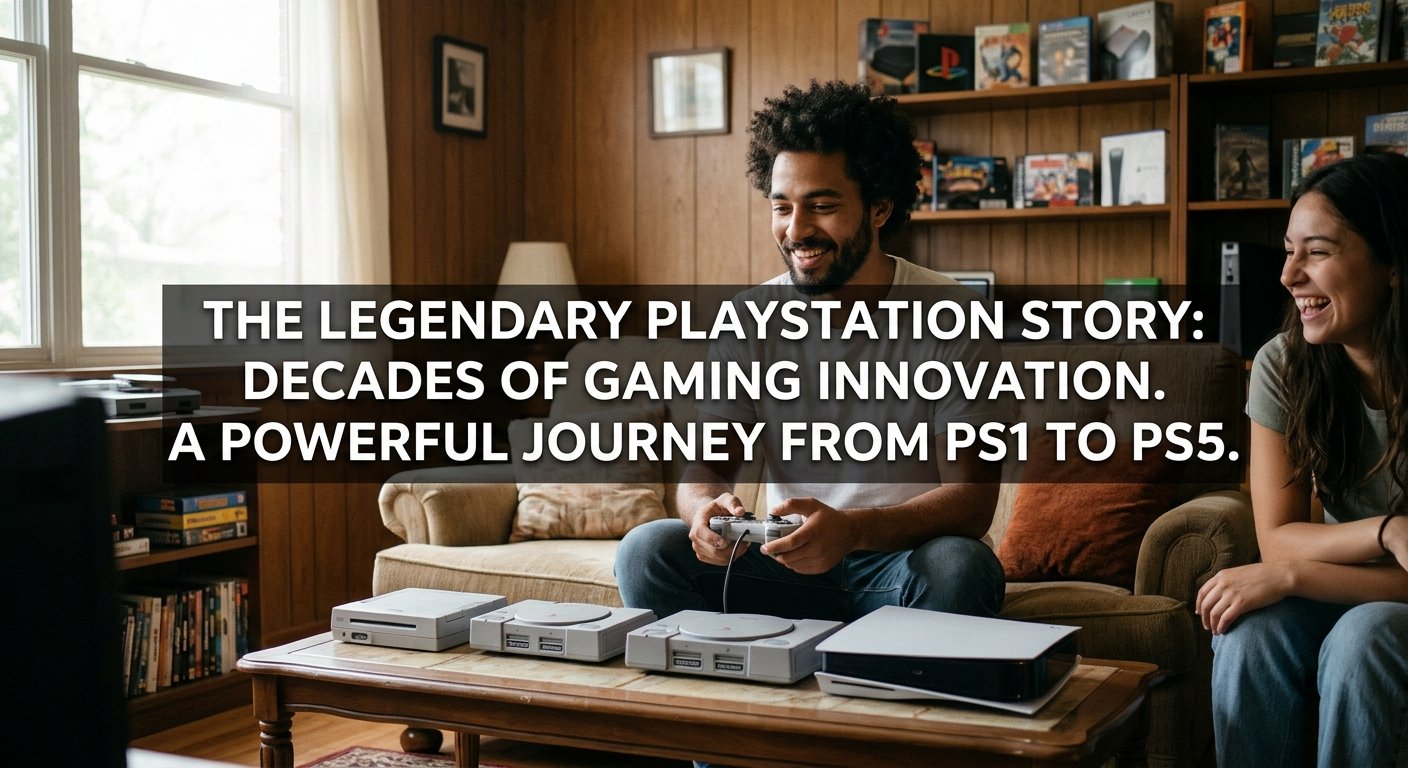
    The current image has no alternative text. The file name is: Gemini_Generated_Image_y8uvicy8uvicy8uv.jpg

    Introduction

    Video games have developed from simple electronic entertainment into one of the world’s most influential digital industries. In the past, gaming was mainly considered a hobby for children and young people. Today, it has become a professional field that offers opportunities in technology, creativity, entertainment, business, education, and digital communication. Millions of people around the world play video games, watch gaming content, participate in esports competitions, and follow gaming communities.

    As the gaming industry continues to expand, it creates new jobs for people with different interests and abilities. Some professionals develop games, while others design characters, create music, test software, manage esports teams, produce online content, or promote gaming products. These careers require a combination of technical knowledge, creativity, communication skills, and problem-solving abilities.

    Video games are also changing how people think about employment. A person does not necessarily need to work in a traditional office to build a career in gaming. Developers can work remotely, content creators can reach international audiences, and esports professionals can compete in tournaments across different countries.

    This article explores how video games are creating career opportunities, the major professions available in the gaming industry, the skills required to enter this field, and the future of gaming-related employment.

    1. The Growth of the Gaming Industry

    The gaming industry has experienced remarkable growth over the last few decades. Improvements in computers, smartphones, internet connections, gaming consoles, and software have made video games accessible to people from different countries and age groups.

    Gaming is no longer limited to expensive computers or dedicated consoles. Smartphones allow millions of people to play games wherever they are. Online platforms make it possible for players to compete, communicate, and share experiences with others around the world.

    This growth has increased the demand for professionals who can create, manage, improve, and promote video games. Companies need programmers, designers, artists, sound engineers, marketing specialists, cybersecurity professionals, and many other experts.

    The industry also supports businesses that provide services around gaming, including tournament organization, streaming platforms, gaming equipment, event management, and digital advertising.

    As a result, gaming has become an important source of employment and entrepreneurship.

    2. Game Development as a Professional Career

    Game development is one of the most important career opportunities in the gaming industry. It involves designing, programming, building, and improving video games for different platforms.

    Game developers work with teams to transform creative ideas into playable experiences. They may develop mobile games, computer games, console titles, educational games, or virtual reality experiences.

    A game development team usually includes programmers, designers, artists, animators, sound specialists, and project managers.

    People interested in programming can explore languages and technologies such as C++, C#, Python, and game development engines. Popular tools include Unity and Unreal Engine.

    Game development is suitable for people who enjoy technology, logical thinking, creativity, and solving complex problems. It also offers opportunities to work for established studios or create independent games.

    3. Game Programmer

    A game programmer writes the code that makes a video game function. Programming controls important features such as character movement, player actions, physics, artificial intelligence, user interfaces, and online multiplayer systems.

    For example, when a player moves a character, jumps over an obstacle, or interacts with an object, programming determines how those actions work.

    Game programmers may specialize in different areas:

    • Gameplay programming
    • Graphics programming
    • Artificial intelligence programming
    • Physics programming
    • Multiplayer and network programming
    • Engine development
    • User interface programming

    This profession requires knowledge of programming languages, algorithms, data structures, debugging, and software development.

    Computer science students can build a foundation for this career through programming practice and personal projects. Creating a small game is a useful way to understand how coding concepts are applied in real products.

    4. Game Designer

    Game designers develop the concepts, rules, systems, and experiences that make games interesting and enjoyable.

    They decide how players interact with the game, what challenges they face, how levels are structured, and how rewards and progression systems work.

    A game designer may work on:

    • Game mechanics
    • Character abilities
    • Levels and missions
    • Difficulty systems
    • Story progression
    • Player rewards
    • Multiplayer features

    Game designers need creativity, analytical thinking, communication skills, and an understanding of player behavior.

    They often collaborate with programmers and artists to ensure that their ideas can be implemented successfully.

    A strong game designer does not simply create attractive ideas. They also consider whether the game is understandable, balanced, enjoyable, and technically possible.

    5. Game Artist and Graphic Designer

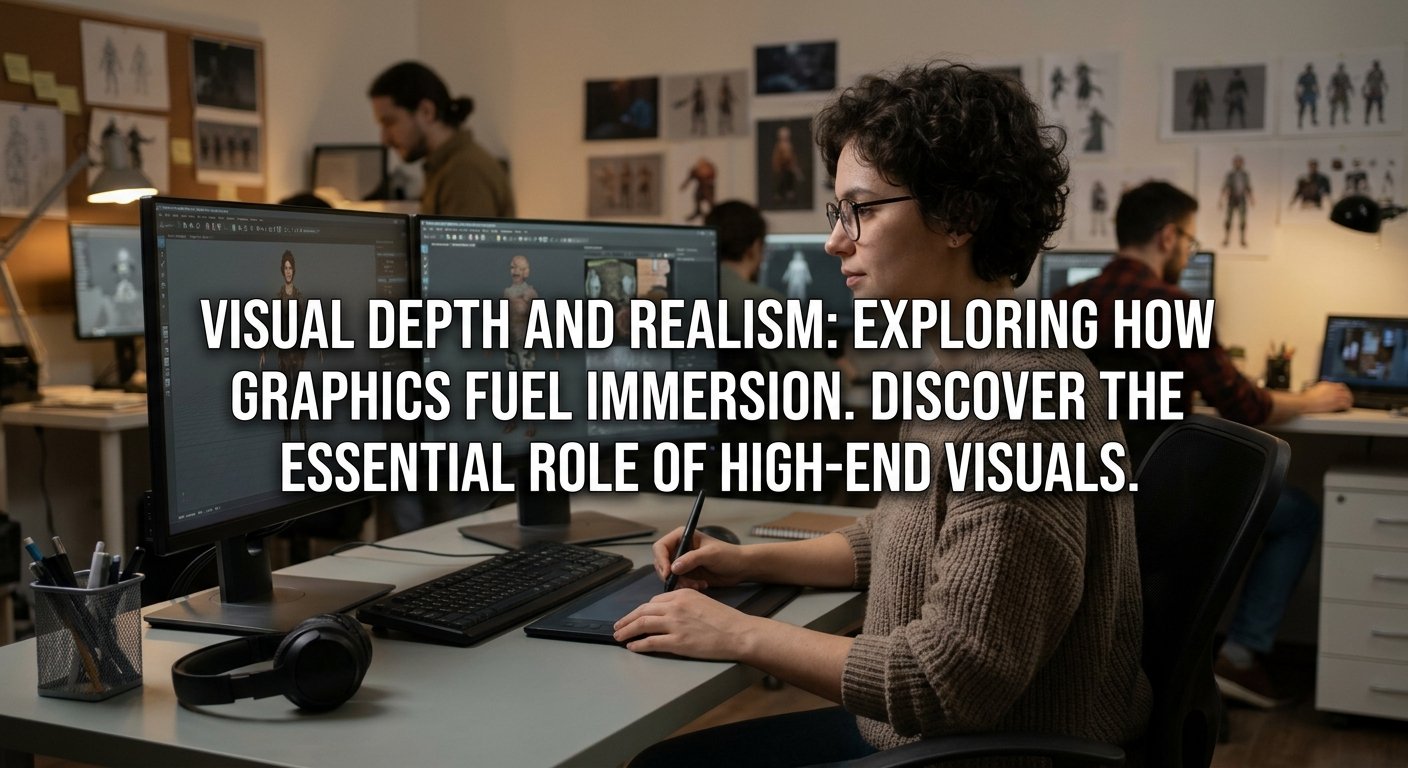
    Visual presentation is an essential part of modern video games. Game artists create the characters, environments, objects, textures, and visual effects that give games their appearance.

    There are several specializations in game art:

    2D Artist: Creates illustrations, icons, backgrounds, and two-dimensional characters.

    3D Artist: Builds three-dimensional models of characters, buildings, weapons, vehicles, and environments.

    Character Artist: Designs and develops the appearance of characters.

    Environment Artist: Creates landscapes, cities, rooms, and other locations.

    Concept Artist: Produces early visual ideas that guide the game’s artistic direction.

    Visual Effects Artist: Creates effects such as explosions, fire, smoke, magic, and weather.

    These careers are suitable for people interested in drawing, digital illustration, animation, and visual storytelling.

    Knowledge of tools such as Blender, Photoshop, and other professional design software can help candidates develop their skills.

    6. Animation and Motion Design Careers

    Animation makes video game characters and environments feel alive. Animators create movements such as walking, running, jumping, fighting, dancing, and interacting with objects.

    Modern games often use detailed animation systems to make character movements appear natural and responsive.

    Animation professionals may work as:

    • Character animators
    • 3D animators
    • Motion designers
    • Technical animators
    • Facial animation specialists
    • Motion capture technicians

    Some studios also use motion capture technology to record the movements of real performers and apply them to digital characters.

    This field combines artistic ability with technical understanding. People who enjoy movement, visual storytelling, and digital creativity can explore animation as a career.

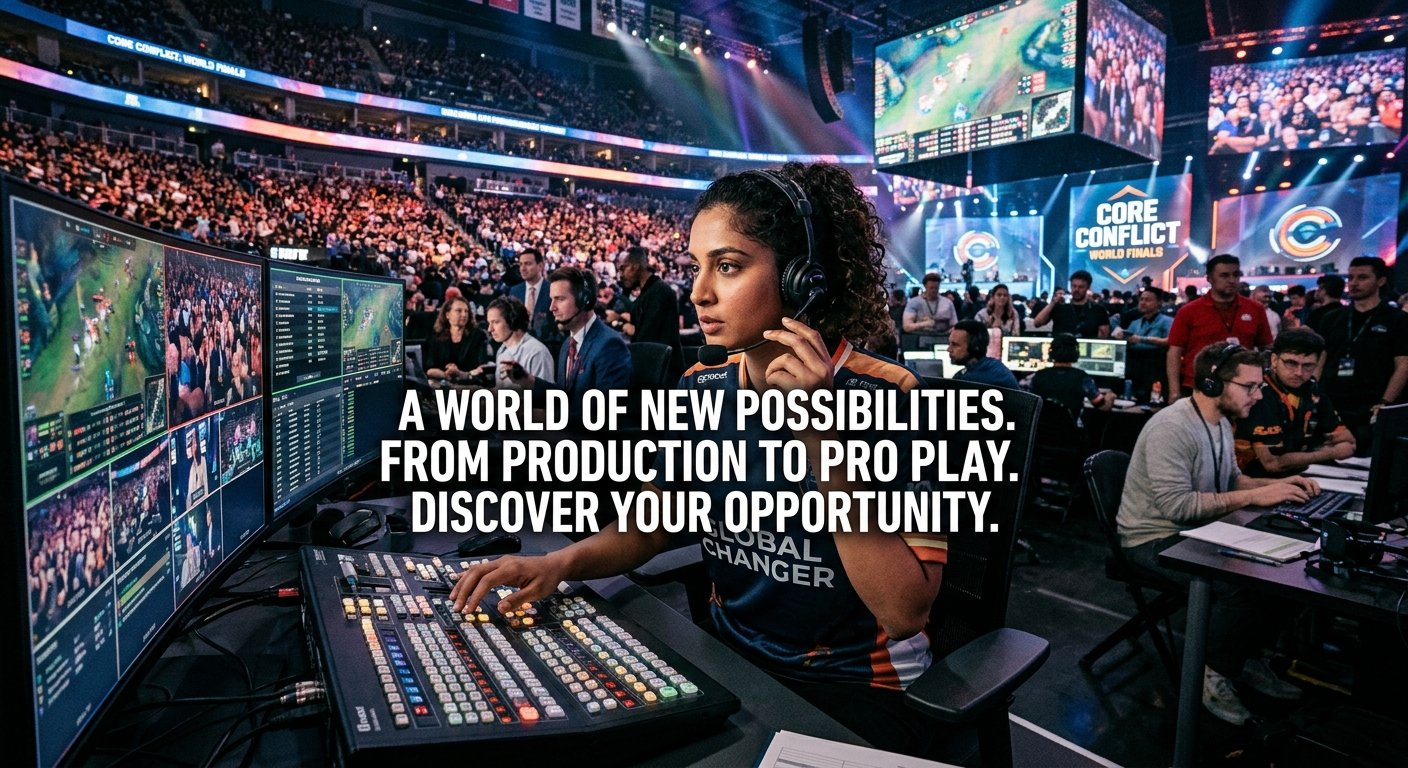
    7. Esports: A New Professional Industry

    Esports, or electronic sports, refers to organized competitive video gaming. Professional players and teams compete in tournaments and leagues, sometimes for substantial prize money.

    Popular competitive titles include games such as Counter-Strike 2, Dota 2, League of Legends, Valorant, and PUBG Mobile.

    Esports has created professional opportunities beyond playing games.

    Some major career options include:

    • Professional esports player
    • Team coach
    • Tournament organizer
    • Esports manager
    • Team analyst
    • Commentator
    • Competition administrator
    • Esports journalist

    Professional players usually need excellent game knowledge, quick decision-making, teamwork, communication, and consistent practice.

    However, becoming a professional player is highly competitive. Only a small percentage of players reach the highest levels, so people interested in esports should also explore supporting professions.

    8. Gaming Content Creation and Streaming

    Content creation has become one of the most visible career paths connected to video games.

    Gaming creators produce videos, livestreams, tutorials, reviews, gameplay highlights, and entertainment content for online audiences.

    Platforms such as YouTube and Twitch allow creators to build communities around their favorite games.

    A gaming content creator may specialize in:

    • Gameplay videos
    • Game reviews
    • Gaming news
    • Tutorials and guides
    • Live streaming
    • Esports analysis
    • Funny gaming moments
    • Gaming challenges

    Creators can potentially earn money through advertising, sponsorships, memberships, subscriptions, and other platform-supported features. Availability and eligibility depend on the platform’s rules and the creator’s location.

    Successful content creation requires more than playing games. Creators need communication skills, editing knowledge, consistency, creativity, and an understanding of their audience.

    Although this career can offer flexibility, building a stable audience often takes considerable time and effort.

    9. Game Testing and Quality Assurance

    Before a video game is released, it must be tested to identify errors and improve the player experience.

    Game testers and quality assurance professionals examine games to find problems such as crashes, graphical glitches, incorrect controls, performance issues, and broken missions.

    Their responsibilities may include:

    • Testing different levels
    • Checking gameplay features
    • Identifying software bugs
    • Repeating test scenarios
    • Reporting technical problems
    • Checking updates and patches
    • Verifying that reported issues have been fixed

    Quality assurance is an important part of professional game development because even small technical problems can negatively affect players.

    People interested in this field should develop observation skills, patience, attention to detail, and the ability to write clear bug reports.

    Game testing can be an entry point into the industry, although it does not automatically lead to a game development position.

    10. Sound Design and Music Production

    Audio plays a major role in creating an immersive gaming experience. Sound designers and music composers develop the sounds that players hear during gameplay.

    These sounds include footsteps, explosions, vehicle engines, background music, environmental effects, character voices, and menu interactions.

    Sound-related careers include:

    Sound Designer: Creates and edits sound effects.

    Music Composer: Produces original music for games.

    Audio Programmer: Develops the systems that control how game audio works.

    Voice Director: Helps manage voice performances and dialogue recording.

    Voice Actor: Performs character dialogue and other spoken content.

    Professional audio work requires creativity and knowledge of recording, editing, mixing, and sound production tools.

    A good sound design team can make a game feel more realistic, emotional, and memorable.

    11. Game Writing and Storytelling

    Many modern games contain detailed stories, fictional worlds, memorable characters, and complex dialogue.

    Game writers create the narrative content that gives players a reason to explore the game world and connect with its characters.

    Their work may include:

    • Main storylines
    • Character backgrounds
    • Dialogue
    • Mission descriptions
    • Side quests
    • In-game documents
    • World-building
    • Interactive narratives

    Unlike traditional writing, game writing often requires an understanding of player choices and interactive storytelling.

    For example, a game may allow players to make decisions that change relationships, missions, or the ending of the story.

    People with strong writing skills and imagination can explore this career path.

    12. Gaming Marketing and Social Media Management

    Creating a good video game is only one part of running a successful gaming business. Companies must also introduce their products to audiences and maintain relationships with players.

    Gaming marketing professionals promote games through advertising campaigns, social media, partnerships, events, and online communities.

    Possible job roles include:

    • Digital marketing specialist
    • Social media manager
    • Community manager
    • Public relations specialist
    • Brand manager
    • Marketing analyst
    • Influencer partnership manager

    A community manager communicates with players, answers questions, collects feedback, and helps maintain a positive relationship between a game company and its audience.

    These roles are suitable for people interested in communication, business, marketing, and digital platforms.

    13. Gaming Journalism and Reviews

    Gaming journalism provides information about the video game industry. Journalists and reviewers cover new releases, industry developments, gaming events, updates, and professional competitions.

    Their work may appear in websites, magazines, blogs, podcasts, and video channels.

    Gaming journalists can specialize in:

    • Game reviews
    • Industry news
    • Interviews
    • Esports reporting
    • Gaming technology
    • Hardware reviews
    • Editorial analysis

    This career requires research, writing, critical thinking, and the ability to communicate information accurately.

    People who enjoy both gaming and writing can develop their skills by publishing reviews, maintaining a gaming blog, or contributing to online publications.

    14. Game Production and Project Management

    Large video games are usually created by teams of professionals working together over extended periods.

    Game producers and project managers help organize this work. They coordinate teams, manage schedules, monitor budgets, track progress, and communicate between departments.

    Their responsibilities may include:

    • Planning development schedules
    • Organizing team meetings
    • Managing project requirements
    • Tracking deadlines
    • Coordinating departments
    • Identifying development risks
    • Communicating with stakeholders

    This career is important because game development involves many connected activities.

    A successful project manager needs leadership, organization, communication, decision-making, and problem-solving skills.

    15. Cybersecurity and Online Game Protection

    Online gaming platforms handle user accounts, personal information, purchases, in-game currencies, and multiplayer communication.

    This makes security an important part of the gaming industry.

    Cybersecurity professionals help protect gaming companies and players from threats such as account theft, unauthorized access, data breaches, cheating software, and online attacks.

    Related career opportunities include:

    • Security analyst
    • Application security engineer
    • Network security specialist
    • Anti-cheat systems developer
    • Fraud prevention specialist
    • Security researcher

    These professionals use technical knowledge to identify weaknesses, investigate threats, and improve system protection.

    As online gaming continues to grow, cybersecurity skills are likely to remain valuable across the industry.

    16. Mobile Gaming and App Development

    Smartphones have made gaming accessible to people who may not own expensive computers or consoles.

    Mobile games are developed for platforms such as Android and iOS. Their development requires knowledge of programming, interface design, performance optimization, testing, and mobile operating systems.

    Mobile gaming creates opportunities for:

    • Mobile game developers
    • Android developers
    • iOS developers
    • UI and UX designers
    • Mobile game testers
    • Game monetization specialists
    • Mobile performance engineers

    Independent developers can also create and publish their own mobile games.

    However, success requires more than releasing an application. Developers must consider user experience, compatibility, performance, marketing, updates, and player feedback.

    17. Virtual Reality and Augmented Reality Careers

    Virtual reality (VR) and augmented reality (AR) are introducing new ways to experience interactive entertainment.

    VR places users inside computer-generated environments, while AR adds digital elements to the real world.

    These technologies create opportunities for professionals who can develop immersive experiences.

    Possible roles include:

    • VR game developer
    • AR application developer
    • 3D environment designer
    • Interaction designer
    • Technical artist
    • Spatial computing specialist

    Professionals in this area may work on games, simulations, educational experiences, training applications, and interactive demonstrations.

    The field combines programming, design, 3D graphics, user experience, and hardware knowledge.

    18. Gaming Hardware and Technology Careers

    Video games depend on powerful hardware and reliable technology. Computers, graphics cards, processors, monitors, controllers, headsets, and networking equipment all contribute to the gaming experience.

    This creates opportunities in hardware engineering, technical support, product development, and performance optimization.

    Some related professions include:

    • Hardware engineer
    • Computer technician
    • Graphics performance engineer
    • Network engineer
    • Technical support specialist
    • Product testing engineer
    • Gaming equipment designer

    These professionals help develop and maintain the technology that allows modern games to run smoothly.

    People interested in computer hardware and electronics can explore this area of the gaming ecosystem.

    19. Freelancing and Independent Game Development

    The gaming industry also offers opportunities for freelancers and independent creators.

    A person does not always need to join a large company to work on games. Freelancers can provide specialized services to studios, small development teams, and independent creators.

    Freelance services may include:

    • Game programming
    • Character design
    • 2D and 3D modelling
    • Animation
    • Sound editing
    • Game testing
    • Video editing
    • Game writing
    • UI design

    Independent developers can also create their own games and publish them through digital distribution platforms.

    Freelancing offers flexibility, but it requires self-management, communication, portfolio development, and the ability to find clients.

    A strong portfolio is often more useful than simply claiming to have experience. It allows potential clients or employers to see what a person can actually create.

    20. Educational and Training Opportunities

    Gaming technology is not limited to entertainment. It is also used in education, professional training, and simulation.

    Educational games can help students understand difficult subjects through interactive activities. Simulations can help professionals practice tasks in controlled digital environments.

    This creates opportunities for developers and designers who specialize in learning experiences.

    Related career areas include:

    • Educational game developer
    • Learning experience designer
    • Simulation developer
    • Training content designer
    • Interactive media developer

    For example, a simulation may help learners understand scientific processes, practice equipment operation, or explore historical environments.

    These careers combine gaming technology with education and practical training.

    21. Skills Required to Build a Career in Gaming

    Although gaming offers many career paths, each profession requires specific abilities.

    Some skills are technical, while others are creative or professional.

    Technical Skills: Programming, software development, game engines, 3D modelling, animation, testing, and cybersecurity.

    Creative Skills: Drawing, storytelling, music production, character design, level design, and visual communication.

    Communication Skills: Teamwork, writing, presentations, feedback, and collaboration.

    Problem-Solving Skills: Identifying errors, analyzing challenges, improving performance, and finding effective solutions.

    Business Skills: Marketing, budgeting, project management, customer support, and entrepreneurship.

    People should choose skills according to the career they want to pursue. A programmer does not need the same training as a game artist, and a gaming journalist does not need the same technical background as a cybersecurity engineer.

    22. How Students Can Start a Career in the Gaming Industry

    Students interested in gaming careers can begin preparing before applying for professional jobs.

    The first step is to identify an area of interest. Someone who enjoys coding may choose game programming, while a creative student may prefer design, animation, or content creation.

    After selecting a direction, students should focus on learning the necessary skills.

    A practical starting plan includes:

    1. Choose one gaming career path.
    2. Learn the basic tools and technologies used in that field.
    3. Complete beginner-level projects.
    4. Practice regularly and improve existing work.
    5. Create a portfolio to display completed projects.
    6. Participate in online communities and development groups.
    7. Apply for internships, freelance projects, or entry-level positions.

    For computer science students, programming fundamentals, object-oriented programming, data structures, and problem-solving can provide a useful foundation for game development.

    Students should also remember that practical experience matters. A small but completed project can demonstrate skills more effectively than a long list of technologies that someone has never used.

    23. Challenges of Working in the Gaming Industry

    Although gaming careers can be exciting, the industry also has challenges.

    Competition for professional positions can be strong, particularly in popular areas such as game design, esports, and content creation.

    Game development projects may involve tight deadlines, complex technical problems, and frequent changes. Some studios also experience periods of intense workloads.

    Content creators face another challenge: building and maintaining an audience. Their success may depend on platform policies, audience interest, advertising markets, and consistent content production.

    Professional esports players must manage pressure, competition, training schedules, and the uncertainty of a short competitive career.

    People entering the industry should develop realistic expectations. Passion for gaming is valuable, but professional success also requires discipline, continuous learning, teamwork, and practical skills.

    24. The Future of Gaming Career Opportunities

    The future of gaming employment is closely connected to technological development.

    Artificial intelligence may support game testing, animation, procedural content creation, and development workflows. However, human professionals will continue to play important roles in creative direction, quality decisions, storytelling, and technical supervision.

    Cloud gaming may expand access to games across different devices, creating demand for professionals working on streaming infrastructure, networking, and platform development.

    Virtual reality, augmented reality, and spatial computing may create additional opportunities in interactive design and immersive software.

    The growth of online communities and esports may also increase demand for event organizers, content creators, community managers, and digital marketing specialists.

    At the same time, independent development tools are making it easier for small teams to experiment with new ideas.

    The exact jobs and skills required will change as technology develops. Therefore, people who want long-term careers in gaming should remain curious, update their knowledge, and adapt to new tools.

    Conclusion

    Video games have become much more than a form of entertainment. They are creating career opportunities across technology, art, business, communication, education, esports, and digital media.

    From game programmers and designers to professional players, streamers, testers, journalists, and cybersecurity specialists, the gaming industry offers different paths for people with different talents.

    However, building a successful career requires more than simply enjoying video games. Individuals need relevant skills, practical experience, dedication, and a willingness to keep learning.

    Students can begin by choosing a career direction, learning suitable tools, completing small projects, and building a portfolio. With preparation and consistent effort, gaming can become a professional field rather than just a personal hobby.

    As technology continues to evolve, video games are likely to create new forms of employment and expand opportunities for the next generation of digital professionals.

    Frequently Asked Questions (FAQs)

    1. Can video games become a professional career?

    Yes. People can build careers in game development, esports, content creation, game testing, design, marketing, animation, and many other gaming-related fields.

    2. What are the most popular careers in the gaming industry?

    Popular career options include game programmer, game designer, 3D artist, professional esports player, gaming content creator, game tester, and sound designer.

    3. Do I need a computer science degree to work in game development?

    A computer science degree can be helpful, especially for programming and technical roles. However, requirements vary by employer and position. Practical skills and a strong portfolio are also important.

    4. Can students earn money through gaming?

    Students may earn money through freelancing, content creation, game development, esports, or other gaming-related services. Income is not guaranteed and depends on skills, opportunities, audience, and experience.

    5. Is game testing a good career option?

    Game testing can be a useful entry point for people interested in software quality assurance. It requires patience, attention to detail, and the ability to identify and report problems.

    6. What programming languages are useful for game development?

    C++, C#, and Python are useful languages in different areas of game development. The best choice depends on the game engine, platform, and type of project.

    7. Can I become a game developer without experience?

    Yes. Beginners can start by learning programming or design tools and creating small projects. Building a portfolio helps demonstrate practical abilities.

    8. Is esports a real profession?

    Yes. Esports includes professional players, coaches, analysts, tournament organizers, commentators, and management professionals. However, becoming a top-level player is highly competitive.

    9. What is the future of gaming careers?

    The future may include more opportunities in artificial intelligence, cloud gaming, mobile development, virtual reality, cybersecurity, esports, and interactive entertainment.

    10. How can I start a career in the gaming industry?

    Choose a specific career path, learn the relevant skills, practice with real projects, build a portfolio, connect with professional communities, and look for internships or entry-level opportunities.


    SEO Keywords: Video Game Career Opportunities, Careers in the Gaming Industry, Video Game Development Jobs, Game Designer Career, Esports Career Opportunities, Game Tester Jobs, Gaming Content Creator, Game Programmer, Gaming Industry Jobs, Future of Gaming Careers.
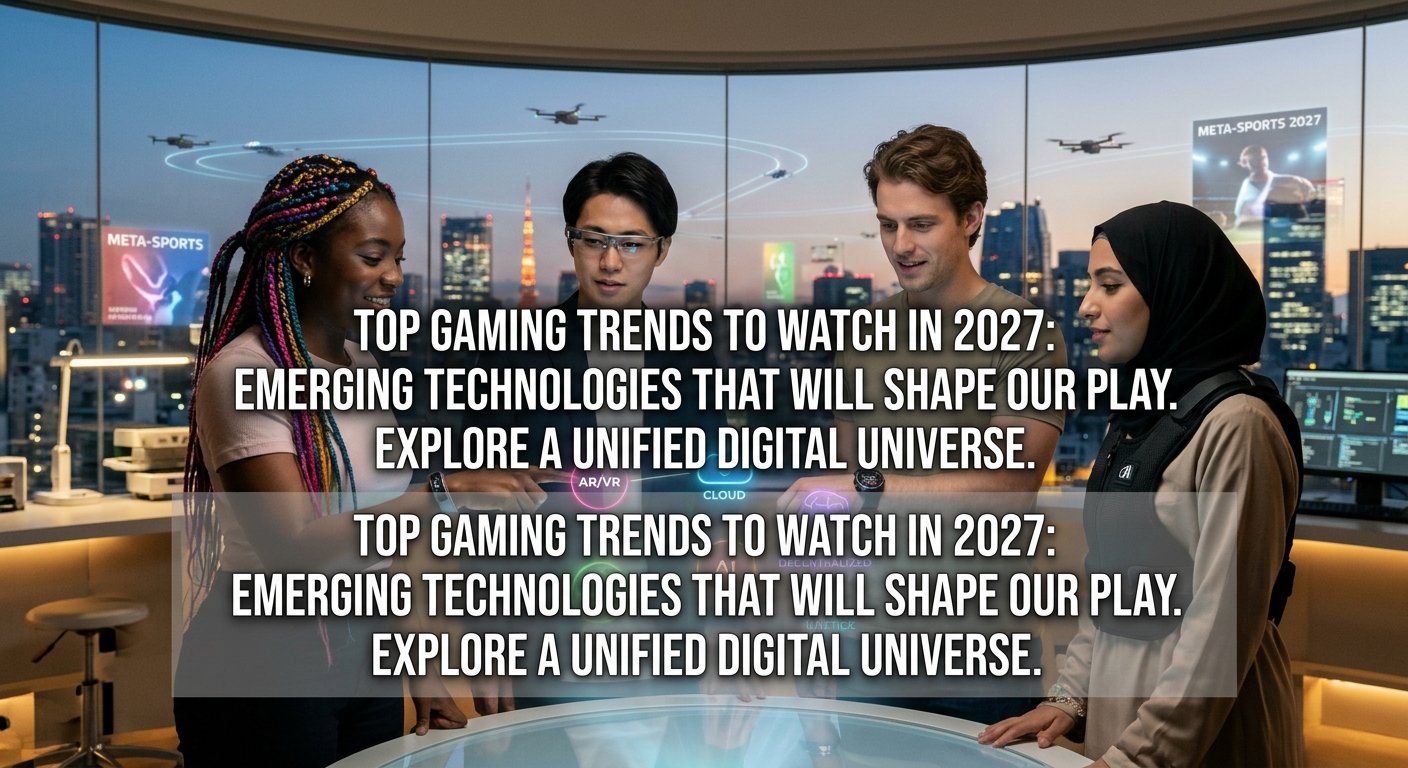
  • Top Gaming Trends to Watch in 2027

    Top Gaming Trends to Watch in 2027

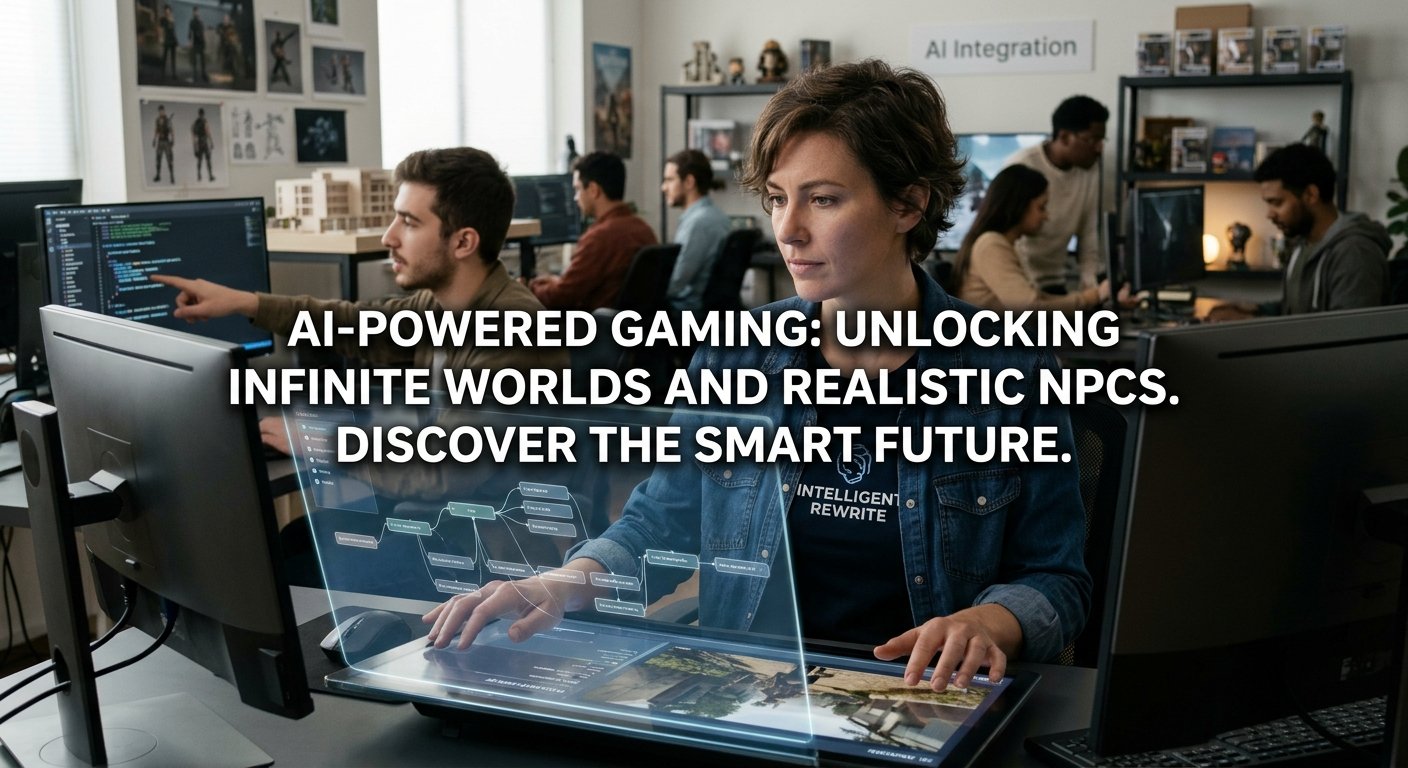
    The current image has no alternative text. The file name is: Gemini_Generated_Image_cxrvticxrvticxrv.jpg

    Introduction

    The gaming industry is constantly evolving as new technologies, creative ideas, and player expectations reshape the way people experience video games. Over the years, gaming has moved from simple arcade machines to powerful consoles, advanced gaming PCs, smartphones, and immersive virtual worlds. As technology continues to develop, the industry is preparing for another exciting period of innovation.

    The year 2027 is expected to bring important developments across the gaming world. Artificial intelligence, cloud gaming, handheld devices, virtual reality, esports, and cross-platform experiences are among the areas likely to influence the next stage of gaming.

    Players are also expecting more than impressive graphics. They want engaging stories, smoother performance, better multiplayer experiences, flexible ways to access games, and opportunities to create their own content.

    Gaming companies are responding to these expectations by exploring new technologies and improving existing platforms. Industry research from organizations such as Boston Consulting Group and Unity highlights the growing importance of AI, user-generated content, cloud gaming, cross-play, and more efficient game development. These developments provide useful clues about what gamers may see in 2027.

    In this article, we will explore the top gaming trends to watch in 2027, including emerging technologies, changing player habits, and the innovations that could shape the future of video games.

    1. Artificial Intelligence Will Transform Gaming

    Artificial intelligence is expected to remain one of the most important gaming trends in 2027.

    AI is already being used in game development, character behavior, automated testing, animation workflows, and player analysis. In the coming years, these applications may become more advanced and widely integrated into gaming experiences.

    One exciting possibility is the development of smarter non-player characters (NPCs). Instead of following limited scripts, future game characters may respond more naturally to player decisions and changing situations.

    AI could also help developers create:

    • More responsive enemies and teammates.
    • Dynamic dialogue and character interactions.
    • Personalized gameplay experiences.
    • More efficient game testing.
    • Procedurally generated environments.
    • Improved animation and visual assets.

    For example, an adventure game could feature characters that react differently depending on how players interact with them.

    However, AI-generated content will still need human supervision to maintain quality, consistency, and creative direction.

    AI is therefore likely to become an important development tool rather than a complete replacement for human game designers.

    2. Cloud Gaming Will Become More Accessible

    Cloud gaming is changing the way people access video games.

    Traditionally, players needed to install games on computers or consoles with suitable hardware. Cloud gaming allows compatible games to run on remote servers, with video and audio streamed to the player’s device.

    This means that players may be able to enjoy demanding games without owning an expensive gaming computer or traditional console.

    Popular cloud gaming services include NVIDIA GeForce NOW and Xbox Cloud Gaming, although availability, supported devices, and game libraries vary by region.

    Cloud gaming may become more attractive in 2027 as internet infrastructure, streaming technology, and server capabilities continue to improve.

    Its potential benefits include:

    • Reduced dependence on powerful local hardware.
    • Access to games across different devices.
    • Less need for large game installations.
    • Flexible gaming experiences.
    • Easier access to selected game libraries.

    However, cloud gaming still faces challenges involving internet speed, latency, data limits, subscription costs, and regional availability.

    Its growth will depend on whether providers can deliver reliable performance at affordable prices.

    3. Handheld Gaming Devices Will Gain More Attention

    Handheld gaming is becoming an increasingly important part of the gaming industry.

    Players no longer want to experience games only while sitting in front of a television or desktop computer. Portable devices allow them to enjoy gaming while travelling, relaxing, or spending time away from home.

    Devices such as Steam Deck, ASUS ROG Ally, and Lenovo Legion Go have helped expand interest in portable PC gaming.

    The Nintendo Switch family has also demonstrated the popularity of hybrid gaming, allowing players to switch between handheld and television-based play.

    In 2027, handheld gaming may continue to develop through:

    • More powerful portable processors.
    • Improved battery efficiency.
    • Better display technology.
    • Lightweight designs.
    • Enhanced cooling systems.
    • Greater compatibility with PC games.
    • Improved wireless connectivity.

    Manufacturers will need to balance performance, battery life, comfort, and price to attract more players.

    Handheld gaming is not necessarily replacing traditional consoles or PCs. Instead, it is giving gamers another way to enjoy their favorite titles.

    4. Virtual Reality Gaming Will Continue to Evolve

    Virtual reality (VR) is one of the most exciting areas of gaming technology.

    VR uses specialized headsets and controllers to place players inside computer-generated environments. Instead of simply watching a game on a screen, players can look around and interact with a virtual world.

    Platforms such as PlayStation VR2 and Meta Quest have helped introduce VR gaming to a wider audience.

    In 2027, improvements in VR technology may focus on:

    • Higher-resolution displays.
    • Better motion tracking.
    • More comfortable headsets.
    • Improved controllers.
    • Reduced motion discomfort.
    • More interactive environments.
    • Better wireless experiences.

    VR could make racing, horror, adventure, simulation, and fitness games more immersive.

    However, high hardware costs, comfort, available game libraries, and user adoption remain important challenges.

    The future of VR gaming will depend on whether developers can create experiences that offer enough value to attract regular players.

    5. Cross-Platform Gaming Will Expand

    Cross-platform gaming allows players using different gaming devices to play together.

    For example, a player using a PC may be able to join friends playing on PlayStation, Xbox, or compatible mobile devices.

    This feature has become increasingly important because gaming communities are no longer limited to one particular platform.

    Popular multiplayer titles have helped demonstrate the value of cross-play.

    In 2027, more developers may continue exploring cross-platform features to make multiplayer gaming more accessible.

    Potential advantages include:

    • Larger multiplayer communities.
    • Easier communication with friends.
    • More flexible gaming choices.
    • Improved matchmaking opportunities.
    • Greater accessibility across devices.

    Cross-platform progression is another important feature. It allows supported games to synchronize certain player information, such as progress, achievements, or purchases, across compatible platforms.

    However, developers must manage differences in controls, performance, account systems, and competitive balance.

    6. Esports Will Continue Growing

    Esports has transformed competitive gaming into a major form of entertainment.

    Professional players and teams compete in organized tournaments across games such as Counter-Strike 2, League of Legends, Dota 2, Valorant, and other competitive titles.

    Esports events attract audiences through live broadcasts, streaming platforms, sponsorships, and international competitions.

    In 2027, the esports industry may continue developing through:

    • More organized tournaments.
    • Greater regional participation.
    • Improved broadcasting technology.
    • New sponsorship opportunities.
    • Stronger professional gaming organizations.
    • Better training and performance analysis.

    Mobile esports may also remain important, especially in regions where smartphones are more accessible than expensive gaming computers or consoles.

    However, esports organizations will need sustainable business models, reliable competition structures, and opportunities for new players.

    Competitive gaming is likely to remain an important part of the entertainment industry.

    7. Mobile Gaming Will Remain a Major Force

    Mobile gaming has become one of the most accessible forms of entertainment in the world.

    Millions of people use smartphones to play casual games, sports titles, battle royale games, racing games, and multiplayer experiences.

    Games such as PUBG Mobile, Call of Duty: Mobile, Roblox, and Mobile Legends: Bang Bang demonstrate the popularity of smartphone gaming.

    In 2027, mobile gaming may develop through improvements in:

    • Smartphone processors.
    • Graphics performance.
    • Battery technology.
    • Touchscreen controls.
    • Online connectivity.
    • Cloud-based services.
    • Mobile game development tools.

    Another important area is the expansion of mobile game business models.

    Developers may continue experimenting with subscriptions, in-app purchases, advertising, and premium game releases.

    Mobile gaming will also benefit from better optimization, allowing games to run across a wider range of smartphones.

    Despite technological improvements, developers must consider device compatibility, battery consumption, storage requirements, and fair monetization.

    8. User-Generated Content Will Become More Important

    User-generated content (UGC) refers to content created by players rather than exclusively by professional game developers.

    It can include custom maps, characters, game modes, skins, virtual objects, and entirely new gaming experiences.

    Platforms such as Roblox and Fortnite Creative have helped demonstrate how players can become creators within gaming environments.

    In 2027, user-generated content may become even more influential as development tools become easier to use.

    Players may gain more opportunities to:

    • Design custom game levels.
    • Create virtual objects.
    • Build interactive environments.
    • Share their own game modes.
    • Develop communities around original content.
    • Earn money through eligible creator programs.

    This trend can benefit both players and developers.

    Players receive more creative freedom, while game publishers can build stronger communities around their platforms.

    Boston Consulting Group’s gaming research identifies user-generated content and creator economies as important forces shaping the industry’s future.

    9. Graphics and Visual Realism Will Improve

    Graphics have always been an important part of video game development.

    Modern games feature detailed character models, realistic lighting, advanced shadows, high-resolution textures, and complex environments.

    In 2027, developers may continue improving visual quality through better graphics hardware and rendering techniques.

    Some important technologies include:

    Ray Tracing: A rendering technique that simulates the behavior of light to create realistic reflections, shadows, and lighting.

    Upscaling: Techniques that improve the appearance of images while reducing the amount of rendering work required.

    Frame Generation: Technology that can create additional frames to improve perceived motion smoothness in supported systems.

    Advanced Animation: Improvements in character movement, facial expressions, and environmental interactions.

    High-Resolution Textures: More detailed surfaces that make objects and environments look realistic.

    However, realistic graphics are not the only measure of a successful game. Artistic style, gameplay, performance, and storytelling remain equally important.

    10. Subscription-Based Gaming Services Will Expand

    Subscription services have changed the way many players access video games.

    Instead of purchasing every title individually, users can pay a recurring fee to access a collection of games or additional platform benefits.

    Examples include Xbox Game Pass and PlayStation Plus.

    These services offer different features depending on their membership tiers and regional availability.

    In 2027, gaming subscriptions may continue evolving through:

    • Larger game libraries.
    • Additional membership benefits.
    • Cloud gaming integration.
    • Bundled entertainment services.
    • More flexible subscription options.
    • Improved discovery features.

    Subscriptions can help players explore games without purchasing each title separately.

    However, players should consider monthly costs, available games, regional restrictions, and the possibility that titles may leave a service.

    The long-term success of subscriptions will depend on whether they provide enough value to both players and game publishers.

    11. Indie Games Will Attract More Attention

    Independent games, commonly known as indie games, are created by smaller studios or individual developers without the same resources as major publishers.

    Despite limited budgets, indie developers often introduce original ideas, creative gameplay mechanics, and unusual storytelling approaches.

    Games such as Stardew Valley, Hades, Hollow Knight, and Balatro demonstrate how independent titles can attract large audiences.

    In 2027, indie games may continue benefiting from accessible development tools, digital distribution, social media promotion, and creator communities.

    Smaller teams can sometimes experiment with ideas that larger studios may consider too risky.

    Important areas of development may include:

    • Creative storytelling.
    • Unique visual styles.
    • Shorter gameplay experiences.
    • Experimental mechanics.
    • Community-driven development.
    • Affordable game releases.

    The growing competition in the gaming market also means that indie developers will need effective marketing and discoverability strategies.

    12. AI-Powered Game Development Tools Will Become More Common

    AI is not only changing how players experience games. It is also influencing how developers create them.

    Game development involves programming, animation, sound design, testing, writing, and visual production.

    AI-assisted tools can help teams complete certain repetitive tasks more efficiently.

    For example, developers may use AI to assist with code suggestions, early visual concepts, asset organization, localization, and automated testing.

    Unity’s 2026 gaming report highlights how studios are using AI tools for development support and productivity while taking a careful approach to adoption.

    In 2027, these tools may become more integrated into professional development workflows.

    However, developers will still need to review AI-generated results for technical accuracy, copyright considerations, consistency, and quality.

    Human creativity and decision-making will remain central to successful game development.

    13. More Focus on Gaming Communities and Social Experiences

    Gaming is increasingly becoming a social activity.

    Players use multiplayer games to communicate, compete, cooperate, and build friendships with people around the world.

    Modern gaming platforms include voice chat, messaging, friend lists, community events, and social features.

    In 2027, developers may place even greater emphasis on community-focused gaming experiences.

    Some possible developments include:

    • More cooperative game modes.
    • Better social tools.
    • Community-created events.
    • Shared virtual spaces.
    • Improved voice communication.
    • Player-organized competitions.
    • Cross-platform communities.

    Games may continue developing beyond traditional missions and matches by offering spaces where players can meet and participate in shared activities.

    Strong communities can also help games maintain long-term engagement.

    14. Improved Gaming Security and Anti-Cheat Technology

    Online gaming faces several challenges involving cheating, account theft, harassment, and unauthorized software.

    These problems can damage player trust and affect competitive fairness.

    In 2027, gaming companies may continue investing in stronger security systems and anti-cheat technology.

    Artificial intelligence and machine learning can help identify unusual gameplay patterns and suspicious activity.

    Other security improvements may include:

    • Stronger account protection.
    • Multi-factor authentication.
    • Improved reporting systems.
    • Better moderation tools.
    • More effective fraud detection.
    • Enhanced protection against unauthorized access.

    However, security systems must be carefully designed.

    An automated system should not automatically treat every unusual action as proof of cheating. Fair investigation and appropriate review processes remain essential.

    15. More Accessible Gaming Experiences

    Accessibility is becoming an important consideration in modern game development.

    Not every player interacts with games in the same way. Some people may need alternative controls, subtitles, visual adjustments, or other support features.

    In 2027, developers may continue improving accessibility through:

    • Customizable controls.
    • Adjustable text sizes.
    • Color and contrast options.
    • Subtitles and captions.
    • Difficulty settings.
    • Assistive controller support.
    • Flexible audio options.

    These features can help more people enjoy video games.

    Accessibility is not only beneficial for players with specific needs. It can also improve usability for beginners and experienced gamers alike.

    16. Gaming Hardware Will Become More Efficient

    Gaming hardware continues to develop as manufacturers work to improve performance, power efficiency, and thermal management.

    In 2027, gaming computers, consoles, graphics cards, and portable devices may continue benefiting from advances in semiconductor technology.

    Important areas include:

    • More efficient processors.
    • Improved graphics hardware.
    • Faster memory.
    • Advanced cooling systems.
    • Better battery performance.
    • High-refresh-rate displays.
    • Faster storage technology.

    Portable gaming devices may particularly benefit from improvements in power efficiency because battery life is an important part of their usability.

    Players may also see more options for customizing their gaming hardware according to their performance and budget requirements.

    17. The Rise of Creator-Led Gaming and Streaming

    Gaming content creators have become important members of the gaming industry.

    Streamers, YouTubers, reviewers, and esports personalities introduce games to new audiences and build communities around gaming content.

    Platforms such as YouTube and Twitch allow creators to share gameplay, tutorials, live competitions, reviews, and entertainment.

    In 2027, creators may continue influencing how players discover and choose games.

    Developers may also work more closely with creators through:

    • Early game access.
    • Community events.
    • Sponsored broadcasts.
    • Creator challenges.
    • Custom in-game content.
    • Promotional collaborations.

    Creator-led gaming can provide smaller studios with opportunities to reach audiences without relying entirely on traditional advertising.

    However, successful creators must build trust by providing authentic and engaging content.

    18. The Growth of Gaming in Emerging Markets

    Gaming is a global industry, but different regions have different levels of access to gaming hardware, internet services, and digital payment systems.

    Emerging markets may play an increasingly important role in the industry’s future.

    Smartphone ownership, improved connectivity, local game development, and digital distribution can help introduce gaming to more people.

    Countries across South Asia, Southeast Asia, Africa, and Latin America offer opportunities for developers to reach new audiences.

    In 2027, gaming companies may pay greater attention to:

    • Affordable gaming devices.
    • Local language support.
    • Regional payment options.
    • Local esports competitions.
    • Mobile-friendly experiences.
    • Culturally relevant game content.

    For players in markets such as Pakistan, mobile gaming and affordable PC experiences may remain particularly important because not everyone can access expensive consoles and gaming computers.

    Regional development can help create more inclusive gaming communities around the world.

    19. Better Game Discovery and Recommendation Systems

    As digital gaming libraries continue growing, discovering interesting games can become difficult.

    Players may spend considerable time searching for titles that match their interests.

    Recommendation systems can help solve this problem by analyzing preferences, game categories, ratings, and other information.

    In 2027, AI-supported discovery tools may become more advanced and personalized.

    For example, a platform might recommend strategy games to someone who regularly plays strategy titles or suggest cooperative games based on a player’s multiplayer activity.

    Better discovery systems could also help independent developers reach players who are likely to enjoy their games.

    However, recommendation algorithms should provide useful suggestions without limiting users to a narrow selection of popular titles.

    20. More Attention to Game Quality and Sustainable Development

    The gaming industry has become highly competitive. Thousands of new games compete for players’ time and attention.

    This creates pressure on developers to produce games that offer strong gameplay, reliable performance, and long-term value.

    In 2027, studios may continue focusing on efficient development, smaller projects, and more carefully planned releases.

    Unity’s 2026 report highlights a growing interest among surveyed studios in smaller, manageable projects and more practical development strategies.

    This does not mean large blockbuster games will disappear.

    Instead, the market may include a wider mixture of major releases, independent games, short experiences, and community-driven projects.

    Developers may also focus more heavily on post-launch support, bug fixes, updates, and player feedback.

    21. The Biggest Challenges Facing Gaming in 2027

    Although gaming technology is advancing, the industry still faces several challenges.

    Rising Development Costs

    Large games can require substantial budgets, experienced teams, and several years of development.

    Increasing Competition

    A growing number of games makes it difficult for new releases to attract attention.

    Data Privacy

    AI systems and online services may collect player information, creating a need for responsible data protection.

    Monetization Concerns

    Subscriptions, advertisements, in-game purchases, and downloadable content must provide fair value to players.

    Hardware Affordability

    Advanced gaming equipment may remain expensive for people in regions with lower purchasing power.

    Online Safety

    Harassment, cheating, scams, and account security remain important concerns for multiplayer communities.

    Technology Limitations

    Cloud gaming, VR, and advanced AI systems still depend on hardware, infrastructure, performance, and affordability.

    Addressing these challenges will be important for building a sustainable gaming industry.

    22. What Should Gamers Expect in 2027?

    The most important thing to understand is that gaming in 2027 will not be defined by just one new technology.

    Instead, several developments may work together to change the industry.

    AI may help create smarter characters and improve development workflows. Cloud gaming may provide additional ways to access games. Handheld devices may make high-quality gaming more portable. Cross-platform features may connect larger communities, while creators may contribute more content to gaming platforms.

    At the same time, developers will need to maintain good gameplay, fair monetization, security, and accessibility.

    Players should expect a gaming environment with more choices, greater flexibility, and new ways to participate in digital entertainment.

    These developments are possibilities based on current industry direction, not guarantees that every technology will become mainstream in 2027.

    Conclusion

    The top gaming trends to watch in 2027 show how quickly the gaming industry is changing.

    Artificial intelligence, cloud gaming, handheld devices, virtual reality, esports, mobile gaming, cross-platform experiences, and user-generated content are among the major developments that could influence the future of gaming.

    These trends are changing how games are created, distributed, played, and shared. They are also creating new opportunities for developers, professional players, streamers, and gaming communities.

    However, technology alone does not make a game successful. Creativity, quality gameplay, fair business practices, accessibility, and strong communities will remain essential.

    As 2027 approaches, the gaming industry is preparing for an exciting period of innovation. The most successful companies will likely be those that combine new technology with experiences that players genuinely enjoy.

    Frequently Asked Questions (FAQs)

    1. What are the biggest gaming trends in 2027?

    Major trends to watch include artificial intelligence, cloud gaming, handheld devices, virtual reality, esports, cross-platform gaming, and user-generated content.

    2. Will AI change video games in 2027?

    AI is likely to become more widely used in game development, character behavior, automated testing, animation, and personalized gaming experiences.

    3. Is cloud gaming the future of gaming?

    Cloud gaming has the potential to make games accessible on more devices without requiring powerful local hardware. However, internet quality, latency, and service availability remain important challenges.

    4. Will mobile gaming continue growing in 2027?

    Mobile gaming is expected to remain an important part of the gaming industry because smartphones offer convenient and widely accessible gaming experiences.

    5. What is the future of esports?

    Esports may continue developing through professional tournaments, sponsorships, streaming, regional competitions, and mobile gaming events.

    6. Will handheld gaming devices become more popular?

    Handheld gaming devices may attract more players through better performance, improved battery efficiency, and access to larger game libraries.

    7. What is cross-platform gaming?

    Cross-platform gaming allows players using different compatible devices to play together in supported games.

    8. How will virtual reality improve gaming?

    Future VR developments may focus on better displays, improved motion tracking, more comfortable headsets, and more interactive virtual environments.

    9. Will indie games become more popular in 2027?

    Independent games may benefit from accessible development tools, digital distribution, social media, and creator communities.

    10. What should gamers prepare for in 2027?

    Gamers should watch developments in AI, cloud services, portable hardware, esports, cross-play, and new gaming experiences while choosing products that match their interests and budgets.

  • The History and Development of PlayStation

    The History and Development of PlayStation

    The current image has no alternative text. The file name is: Gemini_Generated_Image_v4tmwwv4tmwwv4tm.jpg

    Introduction

    The gaming industry has experienced remarkable changes over the past few decades. From simple arcade machines and traditional home consoles to powerful gaming systems with realistic graphics and online features, technology has completely transformed the way people play video games. Among the companies responsible for this development, Sony has played one of the most important roles through its popular PlayStation brand.

    PlayStation has become one of the most recognizable names in the gaming world. It introduced millions of players to unforgettable gaming experiences, advanced console technology, iconic controllers, and some of the most successful video game franchises in history.

    Since the release of the original PlayStation in 1994, Sony has continued to develop new generations of gaming consoles. Each generation has introduced improvements in processing power, graphics, storage, online connectivity, controller technology, and entertainment features.

    Today, PlayStation represents much more than a gaming console. It is a complete gaming ecosystem that includes home consoles, digital services, accessories, virtual reality technology, and a large collection of games.

    In this article, we will explore the history and development of PlayStation, including its beginnings, major console generations, technological improvements, popular games, and future possibilities.

    1. The Beginning of PlayStation

    The history of PlayStation began before the original console was released. During the early 1990s, Sony became interested in entering the video game industry and developing new entertainment technology.

    One important figure in this development was Ken Kutaragi, a Sony engineer who became closely associated with the creation of PlayStation.

    Sony had previously worked on a project involving a CD-based gaming system with Nintendo. However, the proposed partnership did not develop into the commercial product originally planned. Sony eventually decided to move forward with its own gaming platform.

    In November 1993, Sony Computer Entertainment was established as a joint venture involving Sony Corporation and Sony Music Entertainment Japan. This organization helped prepare the company for its entry into the gaming market.

    The original PlayStation was officially launched in Japan on December 3, 1994. It later arrived in North America and Europe in September 1995.

    The console introduced a new approach to home gaming through its use of CD-ROM technology and real-time 3D graphics. It quickly became a major competitor in the gaming industry and helped establish Sony as an important gaming company.

    2. Original PlayStation (PS1)

    The original PlayStation, commonly known as PS1 or PSX, was the console that introduced the PlayStation brand to the world.

    <escape>### </escape>Release Information

    • Japanese release: December 3, 1994
    • North American release: September 9, 1995
    • European release: September 29, 1995

    The original PlayStation was designed to provide more advanced gaming experiences than many traditional cartridge-based systems of its time.

    One of its most important features was CD-ROM support. CDs offered greater storage capacity than many commonly used game cartridges, allowing developers to include more detailed environments, music, voice recordings, and full-motion video.

    The console also introduced powerful 3D graphics capabilities that helped developers create more complex game worlds.

    Its controller introduced the familiar directional buttons and four iconic action symbols: Triangle, Circle, Cross, and Square.

    Later, Sony introduced controllers with analog sticks and vibration feedback, making movement and interaction more advanced.

    Popular Games on the Original PlayStation

    Some of the most memorable games released for the original PlayStation included:

    • Crash Bandicoot
    • Gran Turismo
    • Tekken 3
    • Resident Evil
    • Final Fantasy VII
    • Metal Gear Solid
    • Tomb Raider
    • Spyro the Dragon

    These games helped establish several successful franchises and attracted players from different gaming communities.

    The original PlayStation became a major success, with more than 100 million units shipped worldwide. It helped change the direction of the gaming industry and created the foundation for future PlayStation generations.

    3. PlayStation 2 (PS2)

    After the success of the original PlayStation, Sony introduced the PlayStation 2 in 2000.

    <escape>### </escape>Release Information

    • Japanese release: March 4, 2000
    • North American release: October 26, 2000
    • European release: November 24, 2000

    The PlayStation 2 represented a major improvement in console technology. It introduced more powerful hardware, improved graphics, and a wider range of entertainment features.

    One of its most important features was DVD playback. Players could use the console not only for video games but also to watch DVD movies.

    This made the PS2 attractive to households that wanted a gaming system and a home entertainment device in one product.

    The console also supported backward compatibility with many original PlayStation games, allowing users to continue enjoying their existing game collections.

    Sony later introduced network adapters that enabled online multiplayer experiences in supported games.

    Popular Games on PlayStation 2

    The PS2 became famous for its extensive game library. Some of its most popular titles included:

    • Grand Theft Auto: San Andreas
    • God of War
    • Shadow of the Colossus
    • Metal Gear Solid 2
    • Gran Turismo 4
    • Resident Evil 4
    • Final Fantasy X
    • Devil May Cry
    • Tekken 5
    • Need for Speed: Most Wanted

    These games demonstrated the console’s ability to support different genres, from action and adventure to racing and sports.

    The PS2 became the best-selling home video game console in history, with more than 160 million units sold worldwide.

    Its success established PlayStation as one of the strongest brands in the global gaming industry.

    4. PlayStation 3 (PS3)

    Sony introduced the PlayStation 3 in November 2006, bringing another major technological change to its console lineup.

    <escape>### </escape>Release Information

    • Japanese release: November 11, 2006
    • North American release: November 17, 2006
    • European release: March 23, 2007

    The PlayStation 3 was designed to deliver high-definition gaming and advanced multimedia entertainment.

    One of its most important features was Blu-ray Disc support. Blu-ray offered significantly greater storage capacity than DVDs, allowing developers to distribute larger games and high-quality multimedia content.

    The PS3 also introduced the Cell Broadband Engine processor, which was designed to support demanding computing and graphics tasks.

    Another major development was the PlayStation Network (PSN), which expanded online gaming and digital entertainment.

    Players could access online multiplayer features, download games, purchase digital content, and connect with other users.

    Sony also introduced the PlayStation Store, providing a digital marketplace for games, add-ons, and other content.

    PlayStation 3 Controller Development

    The PS3 initially introduced the SIXAXIS wireless controller, which included motion-sensing technology.

    Later, Sony released the DualShock 3 controller, combining motion controls with vibration feedback.

    These developments expanded the ways players could interact with games.

    Popular Games on PlayStation 3

    Some major PS3 titles included:

    • The Last of Us
    • Uncharted 2: Among Thieves
    • Grand Theft Auto V
    • Red Dead Redemption
    • God of War III
    • Gran Turismo 5
    • Metal Gear Solid 4
    • LittleBigPlanet
    • Batman: Arkham City
    • Journey

    The PlayStation 3 generation helped establish several successful franchises and expanded the role of online services in console gaming.

    5. PlayStation 4 (PS4)

    Sony released the PlayStation 4 in November 2013. It focused on powerful gaming performance, improved social features, digital services, and a more developer-friendly hardware design.

    <escape>### </escape>Release Information

    • North American release: November 15, 2013
    • European release: November 29, 2013
    • Japanese release: February 22, 2014

    The PS4 introduced an x86-64 AMD-based processor architecture, which made its development environment different from the specialized architecture used in the PS3.

    It also included an AMD Radeon-based graphics processor and 8GB of GDDR5 system memory.

    These hardware improvements allowed developers to create more detailed environments, improved lighting, realistic character models, and smoother gameplay.

    The console also placed greater emphasis on social gaming. Players could share screenshots, record gameplay, and broadcast supported games.

    DualShock 4 Controller

    The PS4 introduced the DualShock 4 controller, which included several new features:

    • A touchpad.
    • A built-in light bar.
    • Motion sensors.
    • A built-in speaker.
    • Improved analog sticks.
    • A Share button.

    These additions gave developers new opportunities to design interactive experiences.

    PlayStation 4 Pro

    In 2016, Sony introduced the PlayStation 4 Pro.

    The PS4 Pro offered improved graphics performance and support for enhanced resolutions and visual effects in compatible games.

    It was designed for players who wanted a more powerful version of the PS4 without moving to an entirely new console generation.

    Popular Games on PlayStation 4

    The PS4 became home to many successful games, including:

    • God of War (2018)
    • Marvel’s Spider-Man
    • The Last of Us Part II
    • Horizon Zero Dawn
    • Ghost of Tsushima
    • Bloodborne
    • Uncharted 4: A Thief’s End
    • Red Dead Redemption 2
    • Gran Turismo Sport
    • Days Gone

    The PS4 became one of Sony’s most successful consoles and helped expand the popularity of exclusive gaming experiences.

    6. PlayStation 5 (PS5)

    The PlayStation 5 launched in November 2020 and introduced a new generation of console gaming.

    <escape>### </escape>Release Information

    • Initial release: November 12, 2020
    • Additional major markets: November 19, 2020

    The PS5 was designed to provide faster performance, improved graphics, more immersive audio, and shorter loading times.

    One of its most important technological improvements was the custom solid-state drive (SSD).

    Traditional hard drives use moving mechanical components, while SSDs use flash memory. The PS5’s high-speed storage system helps load game data more quickly and supports game designs that depend on rapid access to assets.

    The console also includes a custom AMD processor combining a Zen 2-based CPU and RDNA 2-based graphics technology.

    These components support detailed graphics, advanced visual effects, and high frame rates in compatible games.

    DualSense Controller

    One of the most important innovations of the PS5 is the DualSense wireless controller.

    It introduced advanced haptic feedback and adaptive triggers.

    Haptic feedback provides more detailed physical sensations through controller vibrations. Adaptive triggers can change their resistance depending on in-game actions.

    For example, players may feel different levels of resistance when drawing a bow or pressing a vehicle’s accelerator in supported games.

    The DualSense controller also includes a built-in microphone, motion sensors, and a touchpad.

    Popular Games on PlayStation 5

    Some popular PS5 games include:

    • Marvel’s Spider-Man 2
    • Astro Bot
    • God of War Ragnarök
    • Horizon Forbidden West
    • Ratchet & Clank: Rift Apart
    • Demon’s Souls
    • Returnal
    • Gran Turismo 7
    • Final Fantasy XVI
    • Ghost of Yōtei

    The PS5 continues the PlayStation tradition of combining powerful hardware with a broad collection of gaming experiences.

    7. PlayStation 5 Pro

    Sony expanded the PS5 generation with the introduction of the PlayStation 5 Pro in November 2024.

    The PS5 Pro was developed for players who wanted improved graphical performance and enhanced visual quality.

    Compared with the standard PS5, the Pro model includes a more powerful graphics processing system, improved ray-tracing capabilities, and PlayStation Spectral Super Resolution (PSSR), an AI-assisted upscaling technology.

    These features can help compatible games deliver sharper images and improved visual performance.

    The PS5 Pro is not a completely new console generation. It is an enhanced version of the existing PS5 platform.

    Its purpose is to provide an upgraded experience while maintaining compatibility with the PlayStation 5 game ecosystem.

    8. Development of PlayStation Portable (PSP)

    PlayStation’s development was not limited to home consoles. Sony also entered the handheld gaming market with the PlayStation Portable, commonly known as PSP.

    The PSP was released in Japan in December 2004 and later launched in North America and other markets.

    It introduced a portable gaming experience with a widescreen display, dedicated controls, and multimedia features.

    Unlike many traditional handheld gaming devices, the PSP supported several entertainment functions beyond gaming.

    It could play movies, music, and other digital media. It also supported wireless connectivity and online features.

    Popular PSP Games

    Some popular PSP titles included:

    • God of War: Chains of Olympus
    • Grand Theft Auto: Vice City Stories
    • Monster Hunter Freedom Unite
    • Tekken: Dark Resurrection
    • Daxter
    • Metal Gear Solid: Peace Walker
    • FIFA series
    • Need for Speed: Most Wanted 5-1-0

    The PSP became an important part of PlayStation history and helped demonstrate the demand for portable gaming experiences.

    9. PlayStation Vita (PS Vita)

    Sony introduced the PlayStation Vita as the successor to the PSP.

    It launched in Japan in December 2011 and reached North America and Europe in February 2012.

    The PS Vita featured a high-quality OLED display in its original model, dual analog sticks, a touchscreen, a rear touchpad, and wireless connectivity.

    These features provided more advanced controls and expanded possibilities for handheld game development.

    The Vita also supported remote play with compatible PlayStation 4 games, allowing players to access certain console experiences through the handheld device.

    Although it did not achieve the same commercial success as the PSP, the PS Vita developed a dedicated fan community and became known for its portable game library.

    10. Development of PlayStation Controllers

    Controllers have been an essential part of PlayStation’s identity.

    Over the years, Sony has introduced several controller generations, each bringing new features and improvements.

    Original PlayStation Controller

    The first PlayStation controller introduced the iconic button symbols and a familiar directional layout.

    Dual Analog Controller

    The Dual Analog controller introduced two analog sticks, providing greater control in 3D games.

    DualShock

    The original DualShock controller introduced vibration feedback and improved analog-stick design.

    DualShock 2

    The PS2’s DualShock 2 introduced pressure-sensitive buttons, allowing compatible games to respond to different levels of button pressure.

    SIXAXIS and DualShock 3

    The PS3 generation introduced wireless connectivity and motion-sensing technology, followed by the DualShock 3 with vibration feedback.

    DualShock 4

    The PS4 controller added a touchpad, light bar, built-in speaker, and Share button.

    DualSense

    The PS5 DualSense controller introduced adaptive triggers and advanced haptic feedback, creating more detailed physical interactions.

    This continuous controller development shows how Sony has worked to improve the relationship between players and games.

    11. PlayStation Network and Online Gaming

    Online connectivity has become an important part of modern console gaming.

    Sony introduced the PlayStation Network with the PS3 generation, creating a platform where players could connect, play online, and access digital entertainment.

    Over time, PlayStation Network developed into a wider ecosystem with several services.

    Important features include:

    • Online multiplayer in supported games.
    • Digital game purchases.
    • Friends lists and messaging.
    • Game downloads and updates.
    • Trophies and achievements.
    • Cloud storage for supported saves.
    • Access to selected entertainment services.

    PlayStation Plus was introduced in 2010 as a subscription service. It later expanded into multiple membership tiers with different benefits, depending on region and availability.

    Digital gaming has become increasingly important because players can purchase and download games without needing physical discs.

    12. PlayStation Virtual Reality Development

    Sony also explored virtual reality gaming through the PlayStation VR platform.

    The original PlayStation VR headset launched in 2016 for the PS4.

    It allowed players to experience compatible games through a virtual reality headset, creating a more immersive form of interaction.

    In 2023, Sony introduced PlayStation VR2 for the PS5.

    PS VR2 brought improvements such as higher-resolution displays, eye tracking, headset feedback, and advanced motion controls.

    These developments demonstrate Sony’s interest in expanding gaming beyond traditional television-based experiences.

    Virtual reality still faces challenges involving cost, comfort, available games, and adoption. However, it remains an important area of experimentation and development in gaming.

    13. How PlayStation Changed the Gaming Industry

    PlayStation has had a major influence on the development of video games.

    Popularizing 3D Console Gaming

    The original PlayStation helped bring real-time 3D gaming to a much wider home-console audience.

    It encouraged developers to experiment with three-dimensional environments, camera movement, and new gameplay mechanics.

    Expanding Game Development Opportunities

    Sony’s platforms provided opportunities for studios of different sizes to develop and publish games.

    Many successful franchises became closely associated with PlayStation.

    Improving Controller Technology

    From analog sticks to motion sensors and adaptive triggers, PlayStation controllers have introduced several important control innovations.

    Supporting Digital Gaming

    PlayStation Network and the PlayStation Store helped expand digital distribution and online gaming services.

    Building Iconic Gaming Franchises

    Games such as Gran Turismo, God of War, Uncharted, The Last of Us, and Ratchet & Clank helped shape PlayStation’s identity.

    Connecting Global Gaming Communities

    Online multiplayer, friends lists, digital services, and social features have made it easier for players to connect across different locations.

    14. The Most Successful PlayStation Consoles

    Every PlayStation generation has contributed something different to gaming history.

    The following table provides a simple overview of the major home-console generations.

    ConsoleRelease YearMajor Contribution
    PlayStation1994CD-based gaming and 3D graphics
    PlayStation 22000DVD playback and massive game library
    PlayStation 32006Blu-ray and online services
    PlayStation 42013Modern graphics and social features
    PlayStation 52020High-speed SSD and DualSense technology
    PlayStation 5 Pro2024Enhanced graphics and performance

    The PlayStation 2 remains the best-selling home console in the brand’s history, while the PS4 and PS5 generations have continued to expand Sony’s gaming ecosystem.

    15. The Future of PlayStation

    The future of PlayStation will likely involve further improvements in hardware, graphics, artificial intelligence, online services, and immersive gaming technology.

    Several areas may influence the next stage of PlayStation development.

    More Powerful Hardware

    Future consoles may introduce faster processors, improved graphics systems, more efficient storage, and better performance.

    Artificial Intelligence

    AI-assisted technologies may help improve graphics, animation, game development, and character interactions.

    Virtual and Augmented Reality

    Sony may continue exploring immersive gaming through VR and other interactive technologies.

    Cloud Gaming

    Cloud-based services could provide additional ways to access games, although performance will depend on internet connectivity and service availability.

    Better Controller Technology

    Future controllers may introduce more advanced haptic feedback, adaptive controls, and improved accessibility features.

    Expanding Digital Gaming

    Digital libraries, online subscriptions, multiplayer services, and cross-platform features may continue to influence how people access and enjoy games.

    The next generation of PlayStation will have to balance technological innovation with affordability, accessibility, and the quality of its games.

    Conclusion

    The history and development of PlayStation demonstrate how technology and creativity can transform an entire entertainment industry.

    From the original PlayStation in 1994 to the PlayStation 5 generation, Sony has continuously introduced new hardware, controllers, services, and gaming experiences.

    Each generation has contributed important innovations, including CD-based games, DVD playback, Blu-ray technology, online gaming, high-definition graphics, solid-state storage, and advanced controller features.

    PlayStation has also helped establish some of the most memorable video game franchises and connected millions of players around the world.

    As gaming technology continues to advance, PlayStation is expected to remain an important part of the industry. Its history is not just a story of consoles; it is a story of innovation, entertainment, competition, and the evolution of interactive gaming.

    Frequently Asked Questions (FAQs)

    1. When was the first PlayStation released?

    The original PlayStation was released in Japan on December 3, 1994. It launched in North America and Europe in September 1995.

    2. Who created PlayStation?

    Sony developed PlayStation through Sony Computer Entertainment. Ken Kutaragi was one of the key engineers and leaders associated with its development.

    3. Which PlayStation console was the most successful?

    The PlayStation 2 is the best-selling home video game console in PlayStation history, with more than 160 million units sold worldwide.

    4. When was PlayStation 2 released?

    The PlayStation 2 launched in Japan on March 4, 2000, followed by North America in October and Europe in November 2000.

    5. When did PlayStation 3 launch?

    The PlayStation 3 launched in Japan on November 11, 2006, and North America on November 17, 2006. Its European launch followed in March 2007.

    6. When was PlayStation 4 released?

    The PlayStation 4 launched in North America on November 15, 2013, and Europe on November 29, 2013. It reached Japan in February 2014.

    7. When was PlayStation 5 released?

    The PlayStation 5 launched on November 12, 2020, in its initial markets, followed by additional markets on November 19, 2020.

    8. What is the difference between PS5 and PS5 Pro?

    The PS5 Pro is an enhanced version of the PS5. It offers improved graphics performance, advanced ray tracing, and AI-assisted image upscaling in supported games.

    9. What was the first PlayStation handheld console?

    The PlayStation Portable (PSP) was Sony’s first major dedicated handheld gaming console. It launched in Japan in December 2004.

    10. What is PlayStation Network?

    PlayStation Network is Sony’s online platform for PlayStation users. It supports online gaming, digital purchases, social features, and other services.

    11. What is DualSense?

    DualSense is the wireless controller designed for PlayStation 5. It features adaptive triggers, advanced haptic feedback, and other interactive technologies.

    12. What is the future of PlayStation?

    The future may include more powerful hardware, AI-assisted gaming, improved graphics, cloud services, virtual reality, and more advanced controllers.

  • How Artificial Intelligence Is Transforming Video Games

    How Artificial Intelligence Is Transforming Video Games

    The current image has no alternative text. The file name is: Gemini_Generated_Image_ihzaomihzaomihza.jpg

    Introduction
    Artificial intelligence (AI) is becoming one of the most influential technologies in the modern gaming industry. Video games have changed significantly over the years, moving from simple graphics and basic character movements to highly detailed environments, realistic animations, and interactive digital worlds. Artificial intelligence is playing an important role in this transformation by making games more intelligent, responsive, and engaging.

    In traditional video games, computer-controlled characters often followed fixed instructions and repeated predictable actions. Modern AI technologies allow game developers to create characters that can respond to player decisions, recognize different situations, and behave in more dynamic ways.

    Artificial intelligence is also helping developers design game environments, improve animations, analyze player behavior, and test games more efficiently. These developments are changing how video games are created, experienced, and improved.

    From intelligent opponents in action games to personalized experiences in online gaming, AI is opening new possibilities for players and developers. Understanding how this technology works helps explain why it is becoming an important part of the future of gaming.

    1. What Is Artificial Intelligence in Video Games?

    Artificial intelligence in video games refers to the use of computer-based techniques that allow game systems to perform actions that appear intelligent.

    These systems can control non-player characters (NPCs), make decisions, respond to player actions, and manage different gameplay situations.

    For example, in a shooting game, an AI-controlled opponent may recognize the player’s position, take cover, move toward a strategic location, or attack when an opportunity appears.

    In a racing game, computer-controlled drivers may adjust their speed, follow different racing lines, and respond to the movement of other vehicles.

    AI does not always mean that a game character thinks like a human. Many games use carefully designed rules, decision-making systems, and algorithms to produce intelligent-looking behavior.

    More advanced approaches, including machine learning, can help systems identify patterns and improve certain tasks through data and experience.

    2. Smarter Non-Player Characters (NPCs)

    One of the most visible uses of artificial intelligence in video games is the development of smarter non-player characters.

    NPCs are characters controlled by the game rather than directly by the player. They may appear as enemies, teammates, shopkeepers, civilians, or other characters within the game world.

    In older games, NPCs often followed simple movement patterns and repeated the same actions. Modern AI techniques can make their behavior more flexible and responsive.

    For example, an enemy character may:

    • Notice the player entering an area.
    • Search for the player’s location.
    • Move behind available cover.
    • Work with other enemy characters.
    • Change its strategy during combat.
    • React differently to different player actions.

    These features make encounters less predictable and can create more challenging gameplay.

    Smarter NPCs also help make fictional worlds feel more active because characters can perform different activities instead of simply standing in one place.

    3. More Realistic Enemy Behavior

    Artificial intelligence helps developers create opponents that can challenge players in more interesting ways.

    In many action, strategy, and shooting games, enemy behavior directly affects the difficulty and excitement of gameplay.

    AI systems can control how enemies move, attack, defend, and respond to changing situations.

    For example, an enemy may become more aggressive when the player is close, defend a strategic position, or attempt to surround the player with support from other opponents.

    Different enemy types can also have different abilities and behavior patterns. One enemy might attack from a distance, while another tries to move closer.

    This variety encourages players to think carefully, use different strategies, and adapt to new situations.

    However, good AI design is not simply about making enemies stronger. It is about creating opponents that are challenging, understandable, and fair.

    4. Personalized Gaming Experiences

    Artificial intelligence can help games adapt to individual players.

    Every player has different preferences, abilities, and gaming styles. Some enjoy difficult challenges, while others prefer relaxed exploration and storytelling.

    AI-based systems can analyze gameplay information to understand how people interact with a game.

    Depending on the design, this information may help developers adjust:

    • Difficulty levels.
    • Enemy behavior.
    • Mission recommendations.
    • In-game challenges.
    • Tutorials and guidance.
    • Content suggestions.

    For example, a game may provide additional guidance to a beginner who repeatedly struggles with a particular mission.

    Another player who completes challenges quickly may prefer more advanced objectives.

    Personalization can make games more accessible and enjoyable by providing experiences that better match individual players.

    5. Adaptive Game Difficulty

    Game difficulty is an important part of player experience. If a game is too easy, experienced players may become bored. If it is too difficult, beginners may become frustrated.

    Artificial intelligence can support adaptive difficulty systems that adjust certain game elements according to player performance.

    These systems may examine factors such as mission completion time, player health, repeated failures, and success rates.

    For example, a game might provide more helpful resources when a player repeatedly fails a difficult section. Alternatively, it may introduce stronger challenges when a player progresses easily.

    This approach is sometimes called dynamic difficulty adjustment.

    However, adaptive difficulty must be carefully designed. Players may become frustrated if they feel that the game is secretly changing its rules or reducing their achievements.

    The goal should be to maintain a balanced challenge without removing the importance of player skill.

    6. Procedural Content Generation

    Procedural content generation is a technique used to create game content through algorithms instead of designing every element manually.

    Artificial intelligence can support more advanced forms of procedural generation by helping developers create environments, missions, objects, and other game elements.

    This technology can be useful for games that feature large or changing worlds.

    For example, a game may generate different landscapes, underground areas, or resource locations when a player starts a new adventure.

    AI-assisted tools may also help developers produce variations of objects, textures, and environmental details.

    Procedural generation can reduce repetitive development work and provide players with new experiences.

    However, automatically generated content still needs quality control. Developers must ensure that environments are playable, balanced, visually consistent, and interesting.

    7. AI in Game Character Animation

    Character animation is essential for making video games look realistic.

    Players expect characters to walk, run, jump, fight, and interact with their surroundings naturally. Poor animation can make even a visually impressive game feel unrealistic.

    Artificial intelligence and machine learning can assist animation systems by helping create or improve movement patterns.

    For example, AI-assisted techniques may help with:

    • Character movement.
    • Facial expressions.
    • Body positioning.
    • Motion matching.
    • Natural transitions between animations.
    • Animation production workflows.

    These methods can help developers create more convincing characters while reducing some repetitive animation tasks.

    Advanced animation systems may also allow characters to respond more naturally to different environments and actions.

    The result can be smoother movement and more believable interactions.

    8. More Realistic Game Environments

    Modern video games often feature detailed environments containing buildings, trees, roads, weather effects, and interactive objects.

    Creating these environments requires considerable artistic and technical work.

    AI tools can assist developers with environment creation, image processing, texture generation, and other production tasks.

    For example, machine learning tools may help improve image quality, generate visual variations, or assist with creating environmental assets.

    AI can also support systems that control environmental behavior, such as weather changes, object interactions, and certain forms of simulated activity.

    These developments help studios explore new approaches to building detailed game worlds.

    However, human artists and designers remain important for maintaining visual consistency, creative direction, and artistic quality.

    9. AI-Powered Storytelling

    Storytelling is one of the most important elements of many modern video games.

    Some games use carefully written stories with fixed dialogue and predetermined events. Others allow players to make decisions that influence missions, relationships, and story outcomes.

    Artificial intelligence can support more flexible storytelling systems.

    For example, AI may help developers organize dialogue variations, manage character reactions, or create different responses based on player decisions.

    Advanced experimental systems may also explore more dynamic conversations between players and game characters.

    This could make interactions feel less repetitive and allow players to experience more personalized stories.

    However, game storytelling requires consistency. Characters need believable personalities, and important events must fit the overall narrative.

    Human writers and narrative designers remain essential for creating meaningful stories.

    10. Improved Game Development Process

    Developing a modern video game involves many stages, including planning, programming, designing, animation, sound production, testing, and optimization.

    Artificial intelligence can support different parts of this process.

    Developers may use AI-powered tools to assist with coding, generate initial visual concepts, organize assets, or identify possible technical problems.

    For example, AI-assisted development tools can help programmers understand code, suggest solutions, and complete repetitive programming tasks.

    Artists may use certain tools to explore visual ideas or create early concept variations.

    These technologies can help development teams work more efficiently, although their output still requires human review.

    AI does not automatically create a complete successful video game. Game development still requires creative direction, technical knowledge, testing, and careful decision-making.

    11. AI in Game Testing and Bug Detection

    Testing is a critical stage of video game development.

    Before a game is released, developers need to identify bugs, performance problems, control issues, and situations that may prevent players from progressing.

    Artificial intelligence can support automated game testing.

    AI-driven testing agents may perform repeated actions, explore different routes, and examine how a game responds to specific situations.

    Machine learning techniques can also help analyze large amounts of testing data and identify patterns that deserve further investigation.

    For example, automated systems may help detect:

    • Repeated crashes.
    • Unusual character behavior.
    • Broken mission progression.
    • Unexpected collisions.
    • Performance problems.
    • Inconsistent gameplay results.

    Automated testing can save time, but human testers are still necessary to evaluate enjoyment, fairness, usability, and overall game quality.

    12. AI in Multiplayer and Online Gaming

    Online multiplayer games involve many players interacting within shared digital environments.

    Artificial intelligence can help developers manage and improve different aspects of these experiences.

    For example, AI-based systems may support matchmaking, player-behavior analysis, moderation, and detection of suspicious activities.

    Matchmaking systems can use information about player skill, experience, or other factors to help create balanced matches.

    AI-supported moderation tools may help identify inappropriate messages or behavior that should be reviewed.

    These systems can make online gaming environments easier to manage.

    However, automated decisions must be handled carefully because incorrect detections can affect innocent players.

    Human review and clear reporting systems remain important.

    13. AI and Anti-Cheat Systems

    Cheating is a serious challenge for competitive multiplayer games.

    Some players use unauthorized software, modified game files, or other methods to gain unfair advantages.

    Artificial intelligence and machine learning can help developers identify suspicious gameplay patterns.

    For example, systems may analyze unusual aiming behavior, movement patterns, reaction times, or other signals that could indicate cheating.

    AI-supported anti-cheat systems can process large amounts of gameplay information and identify activity that deserves investigation.

    However, unusual performance does not automatically prove cheating. Skilled players may naturally perform at a very high level.

    For this reason, anti-cheat systems need careful design, reliable evidence, and appropriate review procedures.

    14. AI in Game Audio and Sound Design

    Sound is an important part of creating an immersive gaming experience.

    Music, footsteps, environmental effects, dialogue, and background sounds help players understand what is happening inside a game.

    Artificial intelligence can assist audio production and sound-related systems.

    For example, AI-powered tools may help developers organize sound assets, improve audio quality, or generate variations for certain production tasks.

    AI can also support interactive audio systems that change according to gameplay events.

    In an adventure game, background music may become more intense when danger approaches. In a racing game, engine sounds may change according to vehicle speed.

    These techniques can make the audio experience more responsive to player actions.

    15. AI in Virtual Reality and Augmented Reality Gaming

    Virtual reality (VR) and augmented reality (AR) are creating new ways to interact with digital content.

    VR allows players to experience computer-generated environments through specialized headsets and controllers.

    AR combines digital elements with the real-world environment.

    Artificial intelligence can improve these experiences by supporting object recognition, movement tracking, interaction systems, and more responsive virtual characters.

    For example, an AI-powered virtual character may respond to certain player actions or interact with objects in a virtual environment.

    In AR games, intelligent systems can help recognize surfaces, objects, or environmental features.

    Combining AI with VR and AR could make future gaming experiences more interactive and immersive.

    16. AI in Mobile Gaming

    Mobile gaming has become a major part of the global gaming industry.

    Smartphones now support games with detailed graphics, online multiplayer modes, complex controls, and large digital environments.

    Artificial intelligence can help improve mobile games in several ways.

    It may support intelligent opponents, personalized recommendations, adaptive difficulty, and game-performance analysis.

    Developers can also use AI-assisted tools to optimize certain aspects of mobile game production.

    For example, a mobile game may use different difficulty settings to support beginners and experienced players.

    As mobile hardware continues to improve, developers may have more opportunities to introduce advanced AI features into smartphone games.

    17. AI and Cloud Gaming

    Cloud gaming allows players to access games through remote servers rather than relying entirely on powerful local hardware.

    The game runs on a remote system, while video and audio are streamed to the player’s device.

    Artificial intelligence can support cloud gaming services by helping with resource management, performance analysis, and network optimization.

    AI-based systems may help providers understand server demand and distribute computing resources more efficiently.

    They may also support techniques that improve streaming quality under changing network conditions.

    However, cloud gaming still depends heavily on internet speed, latency, server availability, and service quality.

    AI can help optimize these systems, but it cannot completely remove the limitations of network connections.

    18. AI in Game Recommendations

    Digital gaming platforms often contain thousands of available games.

    Finding a suitable title can be difficult, especially for players who are unsure what they want to play next.

    Recommendation systems can use artificial intelligence and data analysis to suggest games based on player interests and activity.

    For example, a platform may recommend racing games to someone who frequently plays racing titles.

    Other recommendations may consider game categories, user ratings, purchase history, or similar players’ interests.

    These systems can help players discover new games and allow digital stores to present more relevant content.

    However, recommendation systems should also give users control over their preferences and privacy.

    19. Benefits of Artificial Intelligence in Video Games

    Artificial intelligence offers several important benefits to the gaming industry.

    Better Gameplay

    AI can make opponents, teammates, and other characters more responsive, creating more interesting gameplay situations.

    More Personalization

    Games can use player information to provide recommendations and experiences that better match individual preferences.

    Improved Development Efficiency

    AI-assisted tools can help developers with repetitive tasks, testing, coding assistance, and certain creative processes.

    More Dynamic Environments

    Procedural generation and intelligent systems can help create changing worlds and varied gameplay experiences.

    Better Testing

    Automated testing systems can help identify technical issues and reduce the time required for repeated tests.

    More Interactive Characters

    AI can support more flexible dialogue, character reactions, and interactions.

    20. Challenges and Limitations of AI in Gaming

    Although AI offers many opportunities, its use also creates challenges.

    Development Costs

    Advanced AI systems may require powerful hardware, specialized software, skilled developers, and significant development time.

    Unpredictable Results

    Some AI-generated content may contain errors, inconsistent behavior, or unsuitable material.

    Privacy Concerns

    Personalized gaming systems may collect information about player activity and preferences. Developers must handle such information responsibly.

    Fairness in Competitive Games

    AI systems used for matchmaking and anti-cheat detection must be carefully designed to avoid unfair decisions.

    Creative Control

    AI-generated content may not always match the artistic direction or quality expected by developers.

    Technical Limitations

    Some advanced AI features require substantial computing resources and may not work efficiently on every gaming platform.

    These challenges show why AI should be used thoughtfully rather than treated as a replacement for human creativity and professional development.

    21. The Future of Artificial Intelligence in Video Games

    The future of artificial intelligence in gaming is likely to include more advanced character behavior, flexible storytelling, improved development tools, and increasingly personalized experiences.

    Game characters may become better at responding to different situations, while AI-assisted systems may help developers create more detailed environments and interactions.

    Future games may also explore more natural conversations between players and digital characters.

    Another important development could be the integration of AI with virtual reality, augmented reality, and cloud gaming.

    However, the success of these technologies will depend on performance, affordability, player privacy, and the quality of the final experience.

    The most successful games will likely combine intelligent technology with strong storytelling, creative design, and thoughtful gameplay.

    Conclusion

    Artificial intelligence is transforming video games by changing how characters behave, how environments are created, and how players interact with digital worlds.

    It supports smarter NPCs, adaptive difficulty, procedural content generation, improved testing, personalized recommendations, and many other gaming features.

    AI is also helping developers explore new production methods and create more responsive experiences across PC, console, and mobile platforms.

    However, artificial intelligence still has limitations. Human creativity, professional game design, quality testing, and responsible technology use remain essential.

    As AI continues to develop, it will likely become an even more important part of the gaming industry. Its greatest potential lies in supporting developers and creating richer, more engaging experiences for players around the world.

    Frequently Asked Questions (FAQs)

    1. What is artificial intelligence in video games?

    Artificial intelligence in video games refers to technologies that allow game systems to control characters, make decisions, respond to players, and manage different gameplay situations.

    2. How does AI improve video games?

    AI can improve video games through smarter opponents, responsive NPCs, adaptive difficulty, personalized experiences, procedural generation, and better testing.

    3. What are NPCs in gaming?

    NPC stands for non-player character. These are characters controlled by the game rather than directly by the player.

    4. Can AI create entire video games?

    AI can assist with programming, artwork, audio, testing, and other development tasks. However, creating a complete high-quality game still requires human planning, creativity, design, and technical work.

    5. Does AI make video games more realistic?

    AI can support more realistic character behavior, animations, interactions, and environments. These features can make digital worlds feel more believable.

    6. What is procedural content generation?

    Procedural content generation is a technique that uses algorithms to create game elements such as environments, levels, objects, or missions.

    7. How is AI used in multiplayer games?

    AI can support matchmaking, moderation, player-behavior analysis, and anti-cheat systems in online multiplayer games.

    8. Can AI improve game development?

    Yes. AI-assisted tools can help developers with coding tasks, testing, asset creation, data analysis, and other parts of the development process.

    9. Will AI replace game developers?

    AI is more likely to assist developers than completely replace them. Human creativity, storytelling, artistic direction, and technical decisions remain important.

    10. What is the future of AI in gaming?

    The future may include smarter game characters, more dynamic storytelling, advanced virtual worlds, improved development tools, and personalized gaming experiences.

  • Best Gaming Accessories Every Gamer Should Know About

    Best Gaming Accessories Every Gamer Should Know About

    The current image has no alternative text. The file name is: Gemini_Generated_Image_qwnv8lqwnv8lqwnv.jpg

    Introduction
    Gaming has become much more than simply playing video games for entertainment. Today, it is a popular hobby, a competitive activity, and even a professional career for millions of people around the world. Whether someone enjoys playing action games, racing games, sports simulations, battle royale titles, or multiplayer adventures, having the right equipment can make the gaming experience more comfortable, enjoyable, and efficient.

    A powerful gaming PC or console is important, but the equipment surrounding it also plays a major role. Gaming accessories help players communicate with teammates, control their characters more accurately, hear important in-game sounds, and create a comfortable gaming environment. The right accessories can also improve the appearance and organization of a gaming setup.

    However, beginners often find it difficult to decide which accessories are worth purchasing. There are hundreds of products available, ranging from simple mouse pads to advanced mechanical keyboards and professional gaming headsets.

    In this guide, we will explore the best gaming accessories every gamer should know about, explain their purposes, and discuss how to choose the right equipment according to different gaming needs and budgets.

    1. Gaming Headset

    A gaming headset is one of the most important accessories for any gamer. It allows players to hear in-game sounds clearly and communicate with teammates during multiplayer matches.

    Modern gaming headsets usually include built-in microphones, comfortable ear cushions, and audio controls. Some models also support surround sound or virtual spatial audio, helping players understand the direction of important sounds.

    For example, in competitive shooting games, hearing footsteps, gunshots, and movement can provide useful information about an opponent’s location. In adventure games, high-quality audio can make music, dialogue, and environmental effects more immersive.

    When selecting a gaming headset, consider sound quality, microphone clarity, comfort, durability, and compatibility with your gaming platform.

    2. Gaming Keyboard

    A gaming keyboard is another essential accessory, especially for PC gamers. It is designed to provide responsive controls and convenient access to different gaming functions.

    Many gaming keyboards feature mechanical switches, customizable lighting, programmable keys, and anti-ghosting technology. These features can make typing and gaming more comfortable.

    Mechanical keyboards are particularly popular because they offer different switch types with varying levels of resistance, sound, and feedback. Some players prefer quieter switches, while others enjoy the noticeable feedback of tactile or clicky switches.

    A good gaming keyboard should have comfortable key spacing, reliable construction, and a layout that suits the player’s preferences.

    3. Gaming Mouse

    A gaming mouse is designed to provide accurate movement and responsive control. It is particularly useful in first-person shooters, strategy games, and other PC titles that require precise aiming or cursor movement.

    Gaming mice often include adjustable DPI settings, additional programmable buttons, ergonomic designs, and customizable lighting.

    DPI, or dots per inch, describes mouse sensitivity. A higher DPI setting moves the cursor farther with less physical movement, although the best setting depends on the player’s preferences and the game being played.

    Some gaming mice are designed for lightweight performance, while others offer additional buttons for complex commands.

    Before buying a gaming mouse, consider its shape, size, weight, sensor performance, button placement, and whether you prefer a wired or wireless connection.

    4. Gaming Mouse Pad

    A mouse pad may appear to be a simple accessory, but it can make a noticeable difference in the comfort and consistency of mouse movement.

    Gaming mouse pads provide a suitable surface for accurate tracking and smoother control. They are available in different sizes, materials, and thicknesses.

    Some players prefer smaller mouse pads, while others choose extended desk mats that provide space for both the keyboard and mouse.

    There are generally two popular surface categories:

    • Speed surfaces: Designed to allow smoother and faster mouse movement.
    • Control surfaces: Designed to provide more resistance and controlled movement.

    The right option depends on the player’s sensitivity settings and preferred gaming style.

    5. Gaming Controller

    A gaming controller is an essential accessory for console players and can also be useful for PC gaming.

    Controllers usually include analog sticks, directional buttons, triggers, shoulder buttons, and action buttons. Their ergonomic design allows players to control characters and vehicles comfortably.

    They are especially useful for sports games, racing titles, fighting games, platformers, and many adventure games.

    Modern controllers may also include wireless connectivity, vibration feedback, motion controls, and customizable button layouts.

    When purchasing a controller, check its compatibility with your platform. Not every controller works with every console or PC without additional configuration.

    6. Gaming Monitor

    A gaming monitor plays a major role in how players experience visual content. A good monitor can provide clear images, smooth movement, and responsive gameplay.

    One important specification is refresh rate, measured in hertz (Hz). A 60Hz monitor refreshes its image up to 60 times per second, while a 144Hz monitor can refresh up to 144 times per second.

    Higher refresh rates can provide smoother motion, particularly in fast-paced competitive games, when the computer or console can produce enough frames.

    Other important specifications include:

    • Resolution and image clarity.
    • Response time.
    • Panel technology.
    • Screen size.
    • Adaptive synchronization support.
    • Brightness and color quality.

    Players should select a monitor that matches their hardware capabilities, gaming preferences, and budget.

    7. Gaming Chair

    Comfort is an important part of a good gaming setup. A gaming chair provides a dedicated seating option for people who spend considerable time playing games.

    Many gaming chairs include adjustable armrests, reclining backrests, lumbar support, and headrest cushions.

    However, an expensive chair is not automatically the best choice. A suitable chair should support a comfortable sitting position and fit the player’s body properly.

    When selecting a gaming chair, look for adjustable features, strong construction, suitable cushioning, and appropriate back support.

    Players should also take regular breaks and avoid remaining in the same position for extended periods.

    8. Gaming Desk

    A gaming desk provides a dedicated space for organizing gaming equipment. It can improve the appearance of a setup while making essential accessories easier to reach.

    Gaming desks are available in different shapes, sizes, and materials. Some include cable-management systems, headphone hooks, monitor stands, and storage compartments.

    A larger desk can be useful for players who use multiple monitors, speakers, controllers, and other accessories.

    Before choosing a desk, measure the available room and make sure it has enough space for the monitor, keyboard, mouse, and other equipment.

    A well-organized desk can make a gaming area look cleaner and more professional.

    9. Gaming Microphone

    A dedicated gaming microphone is useful for players who want clearer communication than a basic headset microphone may provide.

    It is particularly valuable for streamers, content creators, online gaming communities, and players who regularly participate in team-based matches.

    Some gaming microphones include noise-reduction features, adjustable stands, mute buttons, and gain controls.

    USB microphones are generally convenient because they connect directly to compatible devices. XLR microphones can provide more advanced audio-control options but usually require additional equipment.

    A good microphone should capture the player’s voice clearly without unnecessarily amplifying background noise.

    10. Webcam for Gaming and Streaming

    A webcam is an important accessory for gamers who create live streams, record videos, or communicate through video calls.

    It allows viewers to see the streamer while they play, making live content more personal and interactive.

    Webcams are available in different resolutions and frame rates. Some offer automatic lighting adjustment, autofocus, privacy covers, and built-in microphones.

    A webcam is not essential for every gamer, but it can be useful for people interested in building an online gaming presence.

    When choosing one, consider video quality, lighting performance, compatibility, and mounting options.

    11. Gaming Speakers

    Although gaming headsets are popular, some players prefer speakers for a more open listening experience.

    Gaming speakers can provide powerful sound without requiring headphones. They are useful for casual gaming, watching videos, listening to music, and enjoying entertainment with other people.

    Some speaker systems include separate subwoofers for stronger bass and additional satellite speakers for a wider sound experience.

    Before buying gaming speakers, consider available desk space, audio quality, connectivity, and volume controls.

    12. RGB Lighting and LED Strips

    RGB lighting has become a popular part of modern gaming setups. It allows players to customize the appearance of their gaming area using different colors and lighting effects.

    RGB lighting can be found in keyboards, mice, headsets, computer cases, fans, and LED strips.

    LED strips can be placed behind monitors, desks, or shelves to create an attractive background. Some lighting systems can synchronize with compatible games or other computer components.

    RGB lighting does not automatically improve gaming performance, but it can make a setup more visually appealing and personalized.

    13. Gaming Laptop Cooling Pad

    Gaming laptops can generate considerable heat during demanding gaming sessions. A cooling pad can help improve airflow around the laptop.

    Most cooling pads include built-in fans and a raised platform. Some models also offer adjustable height settings and additional USB ports.

    A cooling pad may help manage temperatures, but its effectiveness depends on the laptop’s design, ventilation, and the quality of the cooling pad.

    Players should also keep laptop air vents clean and avoid placing their devices on soft surfaces that block airflow.

    14. External SSD and Storage Devices

    Modern games can require significant storage space. Large game installations, updates, downloadable content, and recorded gameplay videos can quickly fill a device’s internal storage.

    An external SSD provides additional storage and can offer faster data transfer speeds than many traditional external hard drives.

    It can be useful for storing game files, recordings, screenshots, and other digital content.

    Before purchasing an external storage device, check its capacity, connection type, transfer speed, and compatibility with your computer or console.

    Players should remember that not every external drive supports running every game on every platform. Compatibility requirements can differ.

    15. Gaming Capture Card

    A capture card is an important accessory for gamers who want to record or stream gameplay from a console or another external video source.

    It captures video and audio signals and sends them to a computer or compatible recording system.

    Capture cards are commonly used by streamers, video creators, and gaming professionals who produce gameplay tutorials, reviews, and live broadcasts.

    Some capture cards support high-resolution video and high frame rates, while others are designed for basic recording.

    When selecting one, check supported resolutions, frame rates, input and output connections, and compatibility with your recording software.

    16. Gaming Router and Ethernet Cable

    A stable internet connection is extremely important for online gaming. Network interruptions and high latency can affect competitive matches and multiplayer experiences.

    A suitable router can help provide reliable wireless connectivity across a home. However, network performance also depends on the internet service, distance, interference, and the number of connected devices.

    For competitive gaming, a wired Ethernet connection is often a useful option because it can provide more consistent connectivity than Wi-Fi in many environments.

    Players should consider router quality, supported Wi-Fi standards, available Ethernet ports, and their actual internet requirements.

    17. Controller Charging Dock

    Wireless gaming controllers need regular charging. A charging dock provides a convenient way to keep compatible controllers powered and organized.

    Instead of searching for charging cables, players can place their controllers on the dock when they finish playing.

    Some charging docks support multiple controllers and include LED indicators that show charging status.

    Before buying one, check whether it supports the exact controller model you own. Charging docks are not universally compatible.

    18. Headphone Stand

    A headphone stand is a small but useful accessory for keeping a gaming desk organized.

    It provides a dedicated place to store a headset when it is not being used. This can help prevent headphones from being left on the desk or placed in positions where they might fall.

    Some headphone stands include USB ports, RGB lighting, or cable-management features.

    Although it does not improve gameplay directly, it helps maintain a cleaner and more organized gaming setup.

    19. Gaming Glasses

    Gaming glasses are marketed as eyewear designed for people who spend considerable time looking at digital screens.

    Some models include anti-reflective coatings, tinted lenses, or other features intended to reduce glare.

    However, claims about special gaming glasses preventing digital eye strain should be treated carefully. Research has not established that blue-light-filtering glasses reliably prevent eye strain.

    For better screen comfort, players should adjust brightness, reduce reflections, maintain a comfortable viewing distance, and take regular breaks.

    Anyone experiencing persistent vision problems should consider professional eye-care advice.

    20. Power Bank and Portable Charging Accessories

    Portable gaming devices, wireless controllers, smartphones, and other gaming equipment require power.

    A suitable power bank can be useful for gamers who travel or play on compatible portable devices away from a power outlet.

    Some power banks support fast charging, multiple devices, and different connection types.

    However, players should check the power requirements of their devices before purchasing a power bank. A product with insufficient output may charge slowly or fail to support certain devices.

    For portable gaming, a reliable charging accessory can help reduce interruptions.

    How to Choose the Best Gaming Accessories

    Buying every available gaming accessory is unnecessary. The best approach is to select equipment according to your gaming platform, personal preferences, and budget.

    1. Choose Accessories According to Your Platform

    PC, PlayStation, Xbox, and Nintendo players may require different accessories.

    For example, a PC gamer may prioritize a mechanical keyboard and accurate gaming mouse, while a console player may prefer an additional controller and charging dock.

    Always check compatibility before making a purchase.

    2. Focus on Your Gaming Style

    Different games require different types of equipment.

    Competitive shooting games may benefit from a responsive mouse, comfortable headset, and high-refresh-rate monitor. Racing games may be more enjoyable with a dedicated controller or racing wheel.

    Casual players may find that a comfortable headset and reliable controller are sufficient.

    3. Set a Realistic Budget

    Gaming accessories are available at many price levels. More expensive products may offer additional features, but those features are not always necessary.

    Start with the accessories that solve your biggest problems. You can upgrade your equipment gradually as your needs change.

    4. Check Quality and Durability

    Accessories should be comfortable, reliable, and suitable for regular use.

    Read product specifications and compare customer feedback before purchasing. Pay attention to build quality, warranty coverage, and replacement-part availability.

    5. Avoid Buying Accessories Just for Appearance

    RGB lighting and attractive designs can make a setup look impressive, but functionality should come first.

    A comfortable chair, reliable headset, and accurate mouse are generally more useful than decorative equipment that does not improve your daily gaming experience.

    Essential Gaming Accessories for Beginners

    Beginners do not need a professional gaming setup immediately. A few carefully selected accessories can provide a strong starting point.

    Here are some useful options:

    AccessoryMain Purpose
    Gaming headsetClear audio and communication
    Gaming mouseAccurate PC control
    Gaming keyboardComfortable and responsive input
    Mouse padSmooth mouse movement
    Gaming controllerConvenient game control
    Gaming chairComfortable seating
    Gaming monitorBetter visual experience

    For a beginner, the best purchase is usually the accessory that improves the most important part of their gaming experience.

    Why Gaming Accessories Matter

    Gaming accessories are valuable because they help players interact with games more comfortably and effectively.

    A quality headset can improve communication, a suitable keyboard can make controls more convenient, and a responsive mouse can provide greater precision.

    Accessories can also improve organization and create a more enjoyable gaming environment.

    However, it is important to understand that accessories do not automatically make someone a better gamer. Skill, practice, game knowledge, decision-making, and experience remain important factors.

    The purpose of good gaming equipment is to support the player rather than replace their abilities.

    Future Trends in Gaming Accessories

    Gaming accessories continue to develop as gaming technology advances. Manufacturers are introducing products with improved wireless connectivity, more customization options, better ergonomics, and smarter software features.

    Wireless gaming equipment is becoming increasingly popular because it reduces cable clutter and gives players more freedom of movement.

    Virtual reality accessories are also developing, including motion controllers, tracking devices, and specialized headsets that create more interactive experiences.

    Another important trend is personalization. Many modern gaming products allow users to adjust button functions, lighting effects, sensitivity, and audio settings.

    In the future, gaming accessories may become even more integrated with artificial intelligence, advanced sensors, and immersive technologies.

    These developments will continue to provide players with new ways to interact with digital games.

    Conclusion

    The best gaming accessories every gamer should know about include gaming headsets, keyboards, mice, controllers, mouse pads, monitors, chairs, microphones, speakers, and several other useful products.

    Each accessory serves a different purpose. Some improve control and accuracy, while others support communication, comfort, storage, and entertainment.

    The most important thing is to select accessories that match your gaming platform and personal requirements. Beginners should start with essential equipment, while experienced players can gradually upgrade their setups.

    A good gaming setup does not have to be extremely expensive. With the right combination of practical accessories, every gamer can create a comfortable, organized, and enjoyable gaming environment.

    Frequently Asked Questions (FAQs)

    1. What are the most important gaming accessories?

    Some of the most important gaming accessories include a gaming headset, keyboard, mouse, controller, mouse pad, and comfortable chair. The best combination depends on the gaming platform.

    2. Do gaming accessories improve performance?

    Some accessories can improve comfort, control, responsiveness, and communication. However, they cannot replace practice, experience, and gaming skills.

    3. Which gaming accessories should beginners buy first?

    Beginners should start with essential accessories such as a comfortable headset, suitable controller or mouse, and a reliable keyboard if they play on PC.

    4. Is a gaming headset necessary?

    A gaming headset is not essential for every game, but it can improve audio clarity and make communication easier during multiplayer matches.

    5. Is a mechanical keyboard better for gaming?

    Mechanical keyboards are popular because they offer different switch options and tactile feedback. However, the best keyboard depends on personal preference and budget.

    6. Is a gaming mouse better than a normal mouse?

    A gaming mouse often provides additional features such as adjustable sensitivity, programmable buttons, and specialized sensors. These features can be useful for many PC games.

    7. Do gaming chairs really make a difference?

    A suitable gaming chair can provide adjustable support and improve seating comfort. However, ergonomics and proper sitting habits are more important than the gaming label.

    8. What accessories are useful for gaming on a console?

    Console players may benefit from an additional controller, gaming headset, charging dock, monitor, and suitable storage device.

    9. Are wireless gaming accessories worth buying?

    Wireless accessories can reduce cable clutter and provide freedom of movement. Their value depends on battery life, connection reliability, latency, and price.

    10. How can I build a good gaming setup on a budget?

    Start with essential equipment, compare different products, prioritize comfort and reliability, and upgrade gradually instead of purchasing every accessory at once.

  • The Importance of Graphics in Modern Video Games

    The Importance of Graphics in Modern Video Games

    The current image has no alternative text. The file name is: Gemini_Generated_Image_a3if8oa3if8oa3if.jpg

    Introduction

    Video games have evolved significantly over the years. Early games featured simple shapes, limited colours, and basic animations. Today, modern video games offer detailed environments, realistic characters, advanced lighting, and impressive visual effects. These developments have transformed how players experience digital entertainment.

    Graphics are one of the most important elements of modern video game development. They help create virtual worlds, communicate information, establish atmosphere, and bring characters and environments to life. From realistic racing games to fantasy adventures and competitive shooting games, visual design plays an important role in shaping the overall gaming experience.

    Modern gaming graphics are made possible through advanced technologies such as powerful graphics processing units (GPUs), 3D modelling, animation systems, ray tracing, and sophisticated game engines. These technologies allow developers to create detailed environments that look more realistic and respond naturally to player actions.

    However, good graphics are not only about making a game look realistic. Art style, colour selection, visual clarity, performance, and consistency are equally important. A game with simple graphics can still be visually attractive if its design supports the gameplay and creates a memorable experience.

    In this article, we will explore the importance of graphics in modern video games, how graphics technology works, and why visual quality matters to both developers and players.

    1. Creating Realistic Gaming Environments

    One of the main purposes of graphics in modern video games is to create believable virtual environments. Detailed landscapes, buildings, roads, forests, oceans, and cities help players feel connected to the game world.

    Modern graphics technology allows developers to create environments with realistic textures, shadows, reflections, and lighting. These details make virtual locations more visually interesting and immersive.

    For example, open-world games often include large environments with mountains, rivers, forests, cities, and changing weather conditions. Players can explore these locations and interact with different objects.

    Realistic environments can also support storytelling. A damaged building may suggest a past conflict, while an abandoned village may create a feeling of mystery. Visual details help communicate information without requiring lengthy explanations.

    The quality of an environment depends not only on its resolution but also on its design, composition, lighting, and consistency.

    2. Improving the Overall Gaming Experience

    Graphics have a direct influence on how players experience a video game. Attractive visuals can make gameplay more engaging and help players become interested in the game’s world.

    When characters, objects, and environments are designed carefully, players can understand what is happening on the screen more easily.

    Good visual design can also make important gameplay elements stand out. For example, highlighted objects may indicate that they can be collected, while different colours may help players recognize teammates and opponents.

    Modern games use visual effects to communicate important events, including explosions, damage, movement, and environmental changes.

    However, graphics should support gameplay rather than distract from it. Excessive visual effects can sometimes make important information difficult to see, particularly in fast-paced competitive games.

    A successful game balances attractive visuals with clear and understandable gameplay.

    3. Bringing Characters to Life

    Characters are an important part of many video games. Their appearance, movement, facial expressions, and animations help players understand their personalities and emotions.

    Modern graphics technology allows developers to create detailed character models with realistic clothing, skin textures, hair, and facial features.

    Character animation is equally important. Walking, running, jumping, fighting, and interacting with objects require carefully designed movements.

    Facial animation can also improve storytelling by showing emotions such as happiness, fear, anger, and sadness.

    Some advanced games use motion capture technology to record the movements of real performers and transfer them to digital characters. This can help create more natural animations.

    Realistic characters make story-driven games more engaging because players can better understand and connect with the people they encounter in the virtual world.

    4. Enhancing Storytelling Through Visual Design

    Graphics play an important role in telling stories. A video game can communicate emotions, history, danger, and atmosphere through its visual environment.

    For example, dark lighting and empty surroundings may create suspense, while bright colours and peaceful landscapes can establish a relaxing atmosphere.

    Character designs can also communicate important information. Clothing, facial expressions, body language, and visual changes may reveal a character’s personality or role in the story.

    Environmental storytelling is another useful technique. Developers can place objects, damaged structures, photographs, and other details throughout a game world to help players understand events.

    These visual elements allow players to discover parts of a story through exploration.

    In modern video games, graphics are not simply decoration. They can become an essential part of the storytelling experience.

    5. The Role of 3D Graphics in Modern Gaming

    Three-dimensional graphics have transformed modern video game development.

    In 3D gaming, characters and objects are represented in three-dimensional virtual space. This allows players to experience depth, perspective, and movement across different directions.

    Developers use 3D modelling tools to create characters, buildings, vehicles, weapons, and other objects.

    These models are then combined with textures, materials, lighting, and animation to produce the final visual appearance.

    3D graphics are particularly important in genres such as:

    • Open-world adventure games.
    • Racing and driving simulations.
    • First-person shooters.
    • Sports games.
    • Role-playing games.
    • Action and exploration games.

    Although 3D graphics are widely used, 2D graphics remain popular. Many successful games use two-dimensional artwork, pixel art, or a combination of 2D and 3D techniques.

    The best visual approach depends on the game’s purpose and artistic direction.

    6. Realistic Lighting and Shadows

    Lighting is one of the most important elements of modern game graphics. It influences how objects appear, how environments feel, and how players understand the space around them.

    Developers use lighting systems to simulate sunlight, artificial lights, reflections, and shadows.

    Realistic shadows can make objects appear more connected to their surroundings. Different lighting conditions can also change the atmosphere of a location.

    For example, a bright daytime environment may feel open and peaceful, while a dark environment with limited visibility may create tension.

    Modern rendering technologies can simulate complex interactions between light and surfaces.

    Ray tracing is one example. It is a rendering technique that can produce realistic reflections, shadows, and lighting effects by simulating the paths of light rays.

    Although advanced lighting can improve visual quality, it may require significant processing power. Developers often balance visual effects with performance to ensure games run smoothly on different devices.

    7. The Importance of Textures and Details

    Textures help give surfaces their visual appearance. They are applied to 3D models to represent materials such as wood, metal, stone, fabric, water, and skin.

    Without appropriate textures, objects may look flat or unrealistic.

    High-quality textures can reveal small details such as scratches, dirt, fabric patterns, and surface imperfections. These details help make game environments more convincing.

    Developers also use different material properties to control how surfaces respond to light.

    For example, metal surfaces may produce strong reflections, while rough stone surfaces scatter light differently.

    Texture quality can influence the overall appearance of a game, particularly when players explore environments at close range.

    However, very high-resolution textures require additional memory and storage. Game developers must choose suitable texture quality to balance detail and performance.

    8. Graphics and Game Performance

    Visual quality is important, but graphics must also work efficiently.

    A game with impressive visuals may still provide a poor experience if it runs slowly or frequently experiences frame drops.

    Performance depends on several hardware and software factors, including:

    • Graphics processing power.
    • Processor performance.
    • Available memory.
    • Storage speed.
    • Game optimization.
    • Screen resolution.
    • Graphics settings.

    Frame rate is another important factor. It measures how many frames a game displays each second.

    For example, a game running at 60 frames per second displays 60 individual frames every second. Higher frame rates can make movement appear smoother, particularly in fast-paced games.

    Resolution also affects visual quality. Higher resolutions display more image detail, but they generally require more processing power.

    Developers often provide graphics settings that allow players to adjust resolution, shadows, textures, and other effects according to their hardware.

    The goal is to achieve a suitable balance between visual quality and smooth performance.

    9. The Importance of Graphics in Competitive Gaming

    Graphics are particularly important in competitive multiplayer games, but visual realism is not always the main priority.

    In competitive games, players need to recognize opponents, identify objects, understand the environment, and react quickly.

    Clear visual design can improve gameplay by making important information easier to recognize.

    For example, players may need to distinguish between teammates and opponents, identify objects in the environment, and understand visual indicators during intense matches.

    Games such as Counter-Strike 2 and Valorant demonstrate the importance of visual clarity in competitive environments.

    Excessive effects, confusing colours, or poorly designed environments can make it harder for players to understand what is happening.

    For this reason, competitive game developers often focus on readability and performance alongside visual quality.

    10. The Role of Graphics Engines

    A graphics engine is part of the technology used to render and display visual content in a video game. Modern game engines provide developers with tools for creating detailed environments, characters, animations, and visual effects.

    Some widely used game development engines include Unreal Engine and Unity.

    Unreal Engine offers advanced rendering capabilities and tools for creating high-quality 3D environments. Its features support realistic lighting, detailed materials, and complex visual scenes.

    Unity is used for a wide variety of projects, including mobile games, 2D experiences, and 3D titles.

    Game engines help developers manage important systems such as:

    • 3D modelling integration.
    • Lighting and shadows.
    • Texture and material rendering.
    • Character animation.
    • Physics and object interaction.
    • Visual effects.
    • Performance optimization.

    These technologies make it easier for development teams to build complex gaming experiences.

    They also provide independent developers with access to powerful tools that can support smaller projects.

    11. The Influence of Graphics on Mobile Gaming

    Mobile gaming has developed rapidly because of improvements in smartphone hardware and graphics technology.

    Modern smartphones include powerful processors, graphics units, high-resolution displays, and advanced cooling systems.

    These improvements allow mobile games to offer more detailed environments, realistic animations, and complex visual effects.

    Games such as PUBG Mobile, Call of Duty: Mobile, and Genshin Impact demonstrate how advanced graphics can be used on smartphones.

    However, mobile developers face additional challenges. They must consider battery life, device temperature, memory limitations, and differences in hardware performance.

    A game should ideally provide adjustable graphics settings so players with different smartphones can enjoy a suitable experience.

    Mobile graphics will likely continue improving as smartphone technology develops.

    12. Art Style Is More Important Than Realism Alone

    One common misunderstanding is that better graphics always mean more realistic graphics.

    In reality, a game’s art style can be just as important as its technical visual quality.

    Some games use realistic environments, while others use cartoon designs, colourful worlds, pixel art, or stylized characters.

    Minecraft, for example, uses a distinctive block-based visual style. Its graphics are relatively simple compared with highly realistic games, but its design is recognizable and supports creative gameplay.

    Other games use artistic colour palettes and imaginative environments to create memorable visual experiences.

    A strong art style helps a game develop its own identity. It can also make a title visually appealing without requiring extremely powerful hardware.

    The most successful graphics are not necessarily the most realistic. They are the ones that support the game’s concept and create a consistent visual experience.

    13. Graphics and Virtual Reality Gaming

    Virtual reality has introduced new requirements for game graphics.

    In traditional gaming, players view a game through a screen. In VR, they use a headset to experience a digital environment from a more immersive perspective.

    This makes visual quality, frame rate, and movement particularly important.

    VR games need to display convincing environments while maintaining smooth performance. Delays or unstable frame rates can reduce comfort and may contribute to motion sickness.

    Developers must also consider depth, scale, perspective, and how virtual objects appear when players move their heads.

    As VR hardware improves, developers may be able to create more detailed and immersive virtual environments.

    Graphics technology will remain an important part of making these experiences comfortable and believable.

    14. How Graphics Influence Game Sales and Popularity

    Visual presentation can influence how people discover and evaluate video games.

    When players visit digital game stores or watch trailers, graphics are often among the first things they notice.

    Attractive environments, memorable characters, and impressive visual effects can create interest in a game.

    High-quality screenshots and gameplay videos can also help developers promote their projects.

    However, graphics alone do not guarantee commercial success.

    Gameplay, storytelling, performance, pricing, community support, and overall game quality are also important factors.

    Some games with simple graphics become extremely successful because they offer enjoyable mechanics and creative ideas.

    A balanced combination of strong visual design and engaging gameplay is often more valuable than visual realism alone.

    15. The Future of Graphics in Video Games

    Gaming graphics are likely to continue improving as hardware and software technologies advance.

    Several developments may influence the future of visual gaming.

    Advanced ray tracing: More powerful hardware and improved rendering techniques may allow more realistic lighting, shadows, and reflections.

    AI-assisted rendering: Artificial intelligence may help improve image quality, reconstruct details, and optimize graphics performance.

    More detailed environments: Improved game engines may allow developers to create larger and more complex virtual worlds.

    Advanced animation: Better motion capture and animation systems may make character movement appear more natural.

    Higher display quality: Improvements in resolution, refresh rates, and display technology may provide clearer and smoother images.

    Virtual and augmented reality: More advanced headsets and visual systems may create immersive digital experiences.

    These developments will not affect every game in the same way. Developers will continue choosing technologies according to their budgets, audiences, and creative goals.

    16. Challenges in Developing High-Quality Graphics

    Creating impressive game graphics requires time, technical knowledge, and significant development resources.

    Large game studios may employ teams of artists, animators, lighting specialists, technical artists, and graphics programmers.

    Some major challenges include:

    Development costs: Creating highly detailed characters and environments can require substantial resources.

    Hardware limitations: Not all players own devices capable of running demanding games.

    Optimization: Developers must ensure that games perform well across supported platforms.

    Storage requirements: High-resolution textures and detailed game assets can increase installation sizes.

    Development time: Complex visual systems may require additional time for modelling, animation, testing, and optimization.

    Visual consistency: Every part of a game should follow a suitable artistic direction.

    These challenges show why successful game graphics require both creativity and technical expertise.

    Conclusion

    Graphics are an essential part of modern video games. They help create realistic environments, bring characters to life, support storytelling, and improve the overall gaming experience.

    Technologies such as 3D modelling, advanced lighting, ray tracing, high-resolution textures, and modern game engines have transformed the visual quality of video games.

    Graphics also influence performance, competitive gameplay, mobile gaming, virtual reality, and the popularity of gaming titles. However, realistic visuals are not the only measure of quality. A distinctive art style, smooth performance, and clear visual design are equally important.

    The future of gaming graphics will likely bring more detailed environments, improved animation, advanced rendering, and new immersive experiences. As technology continues to develop, game developers will have even more opportunities to create impressive digital worlds.

    Ultimately, the importance of graphics lies in how effectively they support the complete gaming experience. The best video games combine attractive visuals with engaging gameplay, creative design, and memorable storytelling.

  • How Gaming Technology Is Changing the Future

    How Gaming Technology Is Changing the Future

    The current image has no alternative text. The file name is: Gemini_Generated_Image_qfx6guqfx6guqfx6.jpg

    Introduction

    Gaming technology has changed dramatically over the past few decades. Video games that once featured simple graphics, basic sound effects, and limited gameplay have evolved into advanced digital experiences with realistic environments, intelligent characters, online multiplayer systems, and interactive worlds. Today, gaming is not only a form of entertainment but also an important part of technological innovation.

    Modern gaming combines several advanced technologies, including artificial intelligence, virtual reality, augmented reality, cloud computing, high-performance processors, and advanced graphics systems. These developments are changing how games are designed, developed, distributed, and experienced.

    Players can now explore detailed virtual environments, compete with people from different countries, and enjoy games on smartphones, computers, and consoles. New technologies are also making gaming more accessible and introducing experiences that were difficult to imagine in the past.

    The future of gaming will likely involve even more realistic graphics, intelligent game characters, immersive environments, and flexible ways to access games. These innovations may also influence industries beyond entertainment, including education, healthcare training, engineering, and digital communication.

    In this article, we will explore how gaming technology is changing the future, the major innovations shaping the industry, and what players can expect from the next generation of video games.

    1. Artificial Intelligence Is Making Games Smarter

    Artificial intelligence, commonly known as AI, is becoming an important part of modern game development. It helps developers create more intelligent characters, dynamic environments, and interactive experiences.

    In older games, non-player characters often followed simple programmed instructions. Their actions were usually predictable, and players could quickly understand their behavior.

    Modern AI systems can support more complex character behavior. Enemies may react to player actions, characters may follow different strategies, and game environments can respond to changing situations.

    AI can also help developers improve game testing, animation workflows, and content creation. Some development tools use machine learning to assist with tasks such as generating ideas, identifying bugs, and analyzing gameplay data.

    Another potential application is personalized gaming. Future games may adapt certain challenges or experiences according to a player’s progress and preferences.

    However, AI does not automatically make every game better. Good game design still requires creativity, balance, storytelling, and careful development.

    2. Virtual Reality Is Creating Immersive Gaming Experiences

    Virtual reality, or VR, is one of the most exciting technologies in modern gaming. It allows players to enter computer-generated environments using special headsets and motion-tracking equipment.

    Unlike traditional gaming, where players watch a screen, VR places them inside a virtual environment. They can look around, interact with objects, and experience digital spaces from a first-person perspective.

    Games designed for VR can offer activities such as exploring virtual worlds, solving puzzles, participating in sports simulations, and experiencing interactive adventures.

    Devices such as Meta Quest headsets and PlayStation VR2 demonstrate how VR technology is being used in gaming.

    VR is also developing beyond entertainment. Similar technologies can support simulations and training activities where users need to practice tasks in controlled digital environments.

    Although VR still faces challenges involving cost, comfort, hardware requirements, and motion sickness, improvements in headsets and tracking systems may make it more accessible in the future.

    3. Augmented Reality Is Connecting Games with the Real World

    Augmented reality, also known as AR, combines digital objects with the real-world environment.

    Unlike virtual reality, which creates a fully digital experience, augmented reality adds computer-generated elements to what users see around them.

    Smartphones and AR-enabled devices can display digital characters, objects, and interactive information through cameras and sensors.

    Pokémon GO is a famous example of augmented reality gaming. It allows players to explore real-world locations while interacting with digital Pokémon through their mobile devices.

    AR technology creates opportunities for new gaming experiences. Players may be able to interact with virtual characters in their homes, explore location-based challenges, or participate in games that combine physical movement with digital activities.

    Future developments in AR glasses and wearable devices may make these experiences more natural and convenient.

    4. Cloud Gaming Is Changing How People Access Games

    Cloud gaming is changing the traditional way people play video games. Instead of running the entire game on a powerful local device, cloud gaming services process much of the gameplay on remote servers and stream the result to the player.

    This means users may be able to play certain demanding games without owning expensive gaming hardware.

    Services such as NVIDIA GeForce NOW and Xbox Cloud Gaming demonstrate how cloud-based gaming works.

    Players generally need a compatible device, a supported service, and a reliable internet connection. The game runs on remote hardware, while player inputs are sent over the network and the resulting video is streamed back.

    Cloud gaming offers several potential advantages:

    • Access to demanding games on supported devices.
    • Reduced dependence on powerful local hardware.
    • Easier access to game libraries through supported services.
    • Flexible gaming across compatible screens.
    • Less need to download and install certain games locally.

    However, internet speed, latency, data limits, subscription costs, and regional availability can affect the experience.

    As network infrastructure improves, cloud gaming may become an increasingly important part of the gaming industry.

    5. Advanced Graphics Are Making Games More Realistic

    Graphics technology has made enormous progress since the early days of video games.

    Modern games can display detailed characters, realistic lighting, complex environments, and impressive visual effects. These developments are supported by powerful graphics processing units, advanced rendering techniques, and improved game engines.

    One important development is ray tracing. This technology simulates how light interacts with objects and surfaces to create more realistic reflections, shadows, and lighting effects.

    Another important technology is upscaling. Techniques such as NVIDIA DLSS, AMD FSR, and Intel XeSS can help improve performance by rendering images at a lower resolution and reconstructing them at a higher output resolution through different methods.

    Modern game engines, including Unreal Engine 5, provide developers with advanced tools for creating detailed environments and complex visual experiences.

    As graphics technology improves, games may become even more visually impressive. However, performance, accessibility, artistic direction, and gameplay remain just as important as realistic visuals.

    6. Faster Processors Are Improving Gaming Performance

    Gaming hardware plays a major role in determining how smoothly modern games run.

    Processors, graphics cards, memory, and storage devices work together to handle game calculations, visual rendering, loading times, and background processes.

    Modern CPUs can handle complex game systems, while powerful GPUs process detailed graphics and visual effects.

    Solid-state drives, particularly NVMe SSDs, have also improved gaming performance by reducing loading times and helping games access large amounts of data more quickly.

    Next-generation hardware is expected to continue improving processing power, memory performance, energy efficiency, and graphics capabilities.

    These developments will help developers create larger and more detailed gaming environments while supporting more advanced features.

    However, high-performance hardware can be expensive. Making games run well on a range of devices remains an important challenge for developers.

    7. Mobile Gaming Technology Is Becoming More Powerful

    Mobile gaming has become one of the largest parts of the gaming industry. Smartphones are now capable of running visually advanced games that previously required more powerful dedicated hardware.

    Improvements in mobile processors, graphics chips, displays, battery technology, and network connectivity have contributed to this development.

    Games such as PUBG Mobile, Call of Duty: Mobile, Genshin Impact, and other demanding titles demonstrate the capabilities of modern smartphones.

    Mobile gaming technology continues to improve through:

    • More powerful mobile processors.
    • Higher-refresh-rate displays.
    • Improved graphics processing.
    • Faster wireless connectivity.
    • Better cooling systems.
    • More efficient battery management.

    Cloud gaming may also allow some smartphones to access games that would otherwise require stronger local hardware.

    In the future, mobile devices may become even more important gaming platforms because they combine portability, connectivity, and increasingly powerful computing capabilities.

    8. 5G and Faster Internet Are Improving Online Gaming

    Internet connectivity is essential for modern multiplayer gaming. Players depend on stable networks to communicate, compete, and interact with other users.

    5G technology offers the potential for higher data speeds and lower network latency under suitable conditions.

    This can support online multiplayer games, cloud gaming, and other connected experiences.

    Lower latency is particularly important in competitive games because delays between player actions and game responses can affect performance.

    However, actual results depend on network coverage, congestion, device compatibility, and the quality of the service provider.

    Faster internet can also improve the distribution of game updates, digital downloads, and online content.

    As connectivity continues to improve, more players may be able to participate in large online gaming environments with fewer technical limitations.

    9. Cross-Platform Gaming Is Bringing Players Together

    In the past, players using different gaming systems often had to remain within separate multiplayer communities.

    Cross-platform gaming is changing this situation by allowing users on supported devices to play together.

    For example, some games allow PC, console, and mobile players to participate in the same multiplayer experience.

    This development makes gaming more convenient for friends who own different devices. It can also help games maintain larger player communities.

    Cross-platform progression is another useful feature. When supported, it allows players to access certain game progress or account information across multiple platforms.

    However, crossplay and cross-progression are not available in every game. Developers must also consider differences in controls, performance, and competitive balance.

    As gaming technology advances, cross-platform features may become even more important to the overall gaming experience.

    10. Game Engines Are Transforming Game Development

    A game engine is a software framework that provides developers with tools for creating video games.

    Game engines help manage important development tasks, including graphics, physics, animation, audio, and interaction systems.

    Popular game engines include Unreal Engine and Unity. They support different types of projects, from mobile games and independent titles to large-scale productions.

    Modern game engines offer advanced features such as:

    • Realistic lighting and shadows.
    • Detailed environmental rendering.
    • Physics simulations.
    • Character animation systems.
    • Audio and visual effects.
    • Multiplayer development tools.
    • Support for multiple platforms.

    These tools help development teams create increasingly complex games.

    They also allow smaller studios and independent developers to access technologies that once required much larger development resources.

    As game engines improve, developers will have more opportunities to experiment with new visual styles, interactive systems, and gameplay ideas.

    11. Virtual Worlds and the Development of Social Gaming

    Gaming is increasingly becoming a social experience. Many modern games offer virtual environments where players can communicate, explore, attend events, and create content together.

    Games such as Roblox and Minecraft demonstrate how virtual worlds can support activities beyond traditional gameplay.

    Players can build environments, participate in community activities, and share their creations with others.

    Some games also organize digital concerts, special events, and interactive experiences that bring large groups of players together.

    Future virtual environments may provide more advanced social features, including improved avatars, communication tools, and realistic interactions.

    However, the term metaverse is often used broadly, and not every virtual world or multiplayer game represents the same type of experience.

    The development of social gaming shows that video games are becoming digital spaces where entertainment and communication can overlap.

    12. Artificial Intelligence Is Supporting Game Development

    AI is not only changing how players experience games; it is also influencing how developers create them.

    Game development involves many complex tasks, including designing environments, creating animations, testing systems, and balancing gameplay.

    AI-powered tools can assist developers with certain repetitive or time-consuming activities.

    For example, machine learning systems may help analyze player behavior, identify unusual patterns, and detect potential software problems.

    AI can also support procedural content generation, where algorithms help create environments, objects, or other game elements according to defined rules.

    This may allow development teams to experiment with larger worlds and more varied experiences.

    Nevertheless, human creativity remains essential. Developers must make important decisions about storytelling, artistic direction, fairness, and gameplay quality.

    The future of game development will likely involve a combination of human creativity and advanced technological tools.

    13. Gaming Technology Is Influencing Education and Training

    Gaming technology is also finding applications outside traditional entertainment.

    Interactive simulations can help people learn through practical digital experiences. Instead of only reading instructions, learners may be able to explore environments, complete tasks, and receive feedback.

    Educational games can support subjects such as mathematics, science, history, and problem-solving.

    Virtual reality can also provide simulated environments for certain training activities. For example, organizations may use virtual simulations to help people practice procedures in controlled conditions.

    Game-based learning can make lessons more engaging when it is designed around clear educational objectives.

    Gaming technology does not replace teachers or professional training, but it can provide additional tools for learning and practice.

    As interactive technology improves, educational applications may become more realistic and accessible.

    14. Better Sound Technology Is Improving Immersion

    Sound is an important part of the gaming experience. It helps players understand their surroundings, recognize events, and feel more connected to the game world.

    Modern audio systems can create more detailed sound environments, including directional effects and spatial audio.

    Spatial audio technologies help create the impression that sounds are coming from specific directions or positions.

    This can be especially useful in competitive games, where identifying the location of footsteps or other sounds may provide important information.

    Advanced sound design also improves storytelling. Music, environmental sounds, and character voices can make virtual worlds feel more believable.

    Future developments in audio processing and headphones may make gaming environments even more immersive.

    15. The Future of Gaming Consoles and Hardware

    Gaming consoles continue to evolve through improvements in processing power, graphics, storage, controllers, and online services.

    Modern consoles are designed to support high-resolution graphics, faster loading times, and more advanced gaming experiences.

    Newer hardware generations may provide improved performance, better energy efficiency, and support for more complex game systems.

    Handheld gaming devices are also becoming increasingly powerful. They allow players to enjoy a wider range of games while travelling or away from a traditional gaming setup.

    Accessories such as advanced controllers, gaming headsets, and displays also contribute to the overall experience.

    The future of gaming hardware will likely involve a combination of powerful home systems, portable devices, cloud services, and improved connectivity.

    16. Challenges Facing Future Gaming Technology

    Although gaming technology offers exciting possibilities, it also creates challenges that developers, companies, and players must consider.

    High hardware costs: Powerful gaming computers, consoles, and VR equipment may be expensive for many users.

    Internet dependency: Cloud gaming and online multiplayer experiences require reliable connectivity.

    Privacy and security: Connected games may collect personal and account-related information, making data protection important.

    Digital addiction and excessive gaming: Spending too much time playing can affect sleep, education, work, and daily responsibilities.

    Technical limitations: Advanced graphics, AI, and immersive environments require significant computing resources.

    Accessibility: Developers must consider players with different abilities, budgets, and hardware limitations.

    Ethical use of AI: AI-generated content, player data, and automated systems require responsible development and appropriate safeguards.

    Addressing these challenges will help make future gaming technology more accessible, secure, and enjoyable.

    17. What Can Players Expect from the Future of Gaming?

    The future of gaming will likely combine several technologies rather than depend on one major innovation.

    Players may experience more intelligent characters, realistic environments, advanced multiplayer systems, and flexible access through cloud-based services.

    Virtual and augmented reality may create new ways to interact with digital worlds, while improvements in mobile hardware may make high-quality gaming available to more people.

    Game developers may also use advanced tools to create larger worlds and more personalized experiences.

    Cross-platform systems could further connect players across different devices, while improved online infrastructure may support more responsive multiplayer environments.

    However, the future will not be determined by technology alone. Good gameplay, creative storytelling, fair competition, affordability, and player communities will remain important.

    The most successful innovations will be those that improve the overall gaming experience rather than simply adding complexity.

    Conclusion

    Gaming technology is changing the future by transforming how video games are developed, accessed, and experienced. Artificial intelligence is supporting smarter game systems, virtual reality is creating immersive environments, and augmented reality is connecting digital experiences with the real world.

    Cloud gaming is introducing new ways to access games, while advanced graphics, powerful processors, and faster internet connections are improving performance and visual quality.

    Mobile gaming, cross-platform systems, and social virtual worlds are also making gaming more accessible and connected.

    These developments may influence industries beyond entertainment, including education, training, and digital communication. At the same time, challenges involving cost, privacy, accessibility, and responsible gaming must be addressed.

    Ultimately, the future of gaming will be shaped by a combination of technological innovation and creative ideas. As developers continue exploring new possibilities, video games are likely to become more interactive, accessible, and immersive than ever before.

  • Best Multiplayer Games to Play with Friends

    Best Multiplayer Games to Play with Friends

    The current image has no alternative text. The file name is: Gemini_Generated_Image_4phqtc4phqtc4phq.jpg

    Introduction

    Gaming becomes even more exciting when you share the experience with friends. Whether you enjoy competitive battles, exciting adventures, racing challenges, or funny party games, multiplayer games offer countless ways to have fun together. Instead of playing alone, you can form teams, develop strategies, explore virtual worlds, and compete against other players.

    Today, multiplayer gaming is more accessible than ever. Players can connect through smartphones, computers, gaming consoles, and online platforms. Some games allow friends to play together even when they use different devices, while others offer local multiplayer experiences where everyone shares the same screen.

    The best multiplayer games are not necessarily the most expensive or technically advanced. A great game gives friends opportunities to communicate, cooperate, compete, and create memorable moments. Some groups prefer intense shooting games, while others enjoy creative building, survival adventures, sports, or simple party games.

    In this guide, we will explore some of the best multiplayer games to play with friends, including popular PC, mobile, and console titles. We will also discuss different gaming styles, cross-platform compatibility, and how to choose the right game for your group.

    1. Minecraft

    Minecraft is one of the most popular multiplayer games for friends who enjoy creativity, exploration, and survival. It offers a large open world where players can build houses, create cities, explore caves, collect resources, and face different challenges together.

    The game provides different modes, including Survival and Creative. In Survival mode, players collect materials, manage resources, build shelters, and protect themselves from dangerous creatures. In Creative mode, they can build almost anything without worrying about survival.

    Playing Minecraft with friends makes the experience more interesting. One player can build a house while another collects resources or explores the surrounding world. Groups can also create large projects, design villages, and establish their own multiplayer adventures.

    Minecraft is available on several platforms, although multiplayer compatibility depends on the edition. Bedrock Edition supports cross-platform play between supported devices, while Java Edition has different compatibility requirements.

    Best for: Creative building, exploration, and cooperative survival.

    2. Fortnite

    Fortnite is an excellent choice for friends who enjoy competitive action and fast-paced gameplay. Its popular Battle Royale mode places players in a large match where they collect equipment, avoid danger, and fight to become the last player or team standing.

    Friends can join together in different team modes, including Duos, Trios, and Squads when available. Working as a team is important because players need to communicate, share resources, and support one another during battles.

    Fortnite also offers more than Battle Royale. Players can explore Creative experiences, participate in different game modes, and discover community-created content.

    Another major advantage is its cross-platform functionality. Friends using supported platforms can often join the same party and play together through their Epic Games accounts.

    Fortnite is free to play, although optional in-game purchases are available.

    Best for: Competitive battles, team-based action, and cross-platform gaming.

    3. Among Us

    Among Us is a multiplayer social deduction game that becomes especially entertaining when played with a group of friends.

    Players work together as Crewmates to complete tasks around a spaceship or another available map. However, some players are secretly Impostors who attempt to eliminate the others without being discovered.

    The most exciting part of the game is communication. Players discuss suspicious behavior, share information, and vote on who they believe is responsible.

    Among Us is particularly enjoyable because every match can develop differently. Friends may make surprising accusations, defend themselves, or create funny situations during discussions.

    The game supports online and local multiplayer options, making it suitable for groups playing together in the same location or from different places.

    Best for: Social deduction, communication, and funny group experiences.

    4. PUBG Mobile

    PUBG Mobile is a popular battle royale game that offers exciting multiplayer action on smartphones.

    Players enter a large map, collect weapons and equipment, and compete against other players while the playable area gradually becomes smaller. The objective is to survive and become the final player or team remaining.

    Friends can form squads and communicate through voice chat. Teamwork is important because players must choose landing locations, share supplies, revive teammates when possible, and plan their movements.

    PUBG Mobile offers different maps, weapons, vehicles, and game modes. These features help keep matches interesting for regular players.

    Its mobile-friendly format makes it especially convenient for groups who do not own gaming computers or consoles. However, players should check device compatibility and regional availability before installing it.

    Best for: Mobile battle royale, squad competition, and tactical teamwork.

    5. Call of Duty: Mobile

    Call of Duty: Mobile is another excellent option for friends who enjoy shooting games. It combines fast-paced multiplayer action with different maps, weapons, and competitive modes.

    Players can form teams and compete in modes such as Team Deathmatch, Domination, and other available multiplayer experiences. The game also includes a Battle Royale mode for players who prefer larger survival matches.

    Friends can create teams, communicate during matches, and develop strategies to defeat opponents.

    The game offers a variety of weapons and customization options, allowing players to experiment with different playstyles.

    Call of Duty: Mobile is particularly suitable for players who want shorter, action-packed matches rather than long survival sessions.

    Best for: Mobile shooting games, team battles, and fast multiplayer matches.

    6. Roblox

    Roblox is different from traditional multiplayer games because it provides access to a large collection of user-created experiences.

    Players can explore different types of games, including adventure challenges, racing experiences, role-playing environments, survival games, and competitive activities.

    This variety makes Roblox an excellent choice for groups of friends with different interests. One day, they can explore an adventure game, while the next day they can participate in a racing competition or a virtual obstacle course.

    Friends can join supported experiences together and communicate while playing.

    Roblox is available on multiple platforms, including computers, smartphones, and consoles. However, compatibility and available features may vary depending on the specific experience and device.

    Best for: Variety, creative experiences, and exploring games together.

    7. Rocket League

    Rocket League combines football-style gameplay with rocket-powered cars. Instead of controlling traditional football players, users drive vehicles and attempt to score goals by hitting a large ball into the opposing team’s net.

    The concept is simple, but mastering the game requires practice, timing, positioning, and coordination.

    Friends can form teams and compete against other players in exciting matches. They can also practice together, improve their driving skills, and learn advanced techniques.

    Rocket League is particularly enjoyable because it combines sports and racing in a unique way. Even beginners can understand the basic objective, while experienced players can spend a long time improving their abilities.

    The game supports cross-platform multiplayer across supported systems.

    Best for: Competitive sports, racing-style action, and teamwork.

    8. Fall Guys

    Fall Guys is a colourful multiplayer party game built around obstacle courses and funny challenges.

    Players control small characters and compete in different rounds involving jumping, running, balancing, and avoiding obstacles. Some rounds focus on individual performance, while others require teamwork.

    The objective is to survive each round and qualify for the next stage until a winner is determined.

    Fall Guys is a great option for friends who want something less serious than traditional shooting or battle royale games. Its unpredictable challenges often create funny moments, especially when players make mistakes or narrowly avoid elimination.

    The game supports cross-platform play on supported platforms, making it easier for friends using different devices to participate together.

    Best for: Casual competition, obstacle courses, and party entertainment.

    9. Brawl Stars

    Brawl Stars is a fast-paced mobile multiplayer game featuring different characters, abilities, and competitive modes.

    Players can team up with friends and participate in short matches that require strategy, timing, and cooperation. Depending on the selected mode, the objective may involve collecting items, controlling an area, defeating opponents, or completing another challenge.

    Each character has unique abilities, so selecting the right combination can make a difference during team matches.

    Brawl Stars is especially suitable for friends who prefer short gaming sessions. Its matches are generally quick, making it convenient for playing during breaks or free time.

    The game is free to download, with optional in-game purchases.

    Best for: Quick mobile matches, team battles, and casual competition.

    10. Overcooked! 2

    Overcooked! 2 is a cooperative cooking game in which players work together to prepare and serve food before time runs out.

    Players receive orders and must complete different kitchen tasks, including cutting ingredients, cooking meals, washing dishes, and delivering finished dishes.

    The challenge comes from the constantly changing kitchens and the need to coordinate every activity. Friends must communicate clearly because one player may be responsible for preparing ingredients while another handles cooking or serving.

    The game often becomes chaotic, but that is part of its appeal. Mistakes can lead to funny situations, and successful teamwork makes completing difficult levels rewarding.

    It supports local and online multiplayer, depending on the platform and game setup.

    Best for: Cooperative gameplay, teamwork, and hilarious challenges.

    11. It Takes Two

    It Takes Two is a cooperative adventure game designed specifically for two players.

    The story follows two characters who must work together to overcome challenges and navigate different environments. Each section introduces new gameplay mechanics, puzzles, and activities that require cooperation.

    Unlike many competitive multiplayer games, It Takes Two focuses on teamwork rather than defeating opponents.

    Players must communicate, coordinate their actions, and understand each other’s abilities to progress through the story.

    It is a strong choice for two friends who enjoy story-driven adventures. The game also offers a Friend’s Pass feature, allowing another player to join through supported arrangements without purchasing a separate full copy.

    Best for: Two-player adventures, puzzles, and story-based cooperation.

    12. Helldivers 2

    Helldivers 2 is a cooperative third-person shooter in which players work together to complete dangerous missions.

    Players form squads and travel to different locations to fight enemies, complete objectives, and support their team. Each mission requires coordination because players must manage equipment, communicate, and decide how to approach different situations.

    The game is particularly entertaining when friends cooperate effectively. However, its challenging combat and friendly-fire mechanics can also create unexpected and funny moments.

    Helldivers 2 is a strong choice for groups that enjoy intense cooperative action rather than competing against one another.

    Platform availability and crossplay support should be checked before purchasing, especially if friends use different gaming systems.

    Best for: Cooperative shooting, challenging missions, and squad teamwork.

    13. Sea of Thieves

    Sea of Thieves is an online pirate adventure game where players explore the ocean, discover islands, search for treasure, and participate in naval battles.

    Friends can form a crew and operate a pirate ship together. Different players can handle sailing, navigation, repairing damage, and fighting enemy ships.

    The game creates memorable group experiences because unexpected events can happen during exploration. Players may discover valuable treasure, encounter dangerous enemies, or face another crew at sea.

    Sea of Thieves is particularly enjoyable for groups that prefer exploration and shared adventures over short competitive matches.

    It is available on supported gaming platforms, with multiplayer and cross-platform features depending on the systems involved.

    Best for: Exploration, pirate adventures, and cooperative open-world gameplay.

    14. Stardew Valley

    Stardew Valley is a relaxing farming and life simulation game that allows friends to build and manage a farm together.

    Players can grow crops, raise animals, collect resources, explore mines, and develop their farms over time.

    Unlike fast-paced action games, Stardew Valley focuses on planning, creativity, and relaxed gameplay. Friends can divide responsibilities, with one player managing crops while another explores or gathers materials.

    The game is an excellent choice for groups who want a peaceful experience without constant competition.

    Multiplayer availability and supported player numbers depend on the platform and version.

    Best for: Relaxing cooperative gameplay, farming, and creative planning.

    15. Terraria

    Terraria is a sandbox adventure game that combines exploration, crafting, construction, and combat.

    Players explore a large two-dimensional world filled with caves, enemies, valuable materials, and hidden locations. They can collect resources, build shelters, craft equipment, and fight powerful bosses.

    Playing with friends makes exploration and difficult battles more manageable. One player can gather materials while others prepare equipment or construct a base.

    The game offers a large amount of content, making it suitable for groups that enjoy long-term adventures and discovering new things together.

    Terraria is available on several platforms, but multiplayer compatibility should be checked for the specific versions being used.

    Best for: Sandbox exploration, crafting, survival, and cooperative adventures.

    16. How to Choose the Best Multiplayer Game for Your Friends

    With so many multiplayer games available, choosing the right one can be difficult. The best option depends on your group’s interests, devices, internet connections, and preferred gaming style.

    Here are some important factors to consider.

    Consider the Number of Players

    Some games are designed for two players, while others support larger groups.

    For example, It Takes Two is specifically designed around two-player cooperation. Among Us can support larger groups, while Fortnite offers different team sizes depending on the available mode.

    Choose a game that supports the number of people who regularly play together.

    Check Device Compatibility

    Not every friend owns the same gaming device. Some may use Android smartphones, while others prefer computers, PlayStation, Xbox, or Nintendo Switch.

    Cross-platform gaming can solve this problem by allowing players on supported systems to join the same multiplayer session.

    However, crossplay support is different for every game. Always check the supported platforms and editions before choosing a game.

    Decide Between Competition and Cooperation

    Some groups enjoy competing against each other, while others prefer working together.

    Competitive games such as Rocket League and PUBG Mobile focus on defeating opponents. Cooperative games such as It Takes Two and Overcooked! 2 require players to work toward shared objectives.

    Understanding your group’s preferences will help you choose a more enjoyable experience.

    Consider Your Budget

    Not every multiplayer game requires a purchase. Several popular games are free to download, although they may offer optional in-game purchases.

    Other games require an initial payment or subscription.

    Before selecting a game, consider whether everyone is comfortable with its cost.

    Check Internet Requirements

    Online multiplayer games require an internet connection. A weak or unstable connection can cause lag, delays, and disconnections.

    If your group has limited internet access, consider games with local multiplayer or offline cooperative options where available.

    17. Why Playing Multiplayer Games with Friends Is So Enjoyable

    Multiplayer gaming offers experiences that are often different from playing alone.

    One important reason is social interaction. Friends can communicate, share jokes, celebrate victories, and discuss strategies while playing.

    Team-based games also encourage cooperation. Players learn to understand different roles, support one another, and work toward common goals.

    Multiplayer games can create memorable moments. A close victory, an unexpected defeat, or a funny mistake can become a shared story that friends remember long after the match ends.

    Different genres also provide different experiences. Competitive games offer excitement, adventure games encourage exploration, and party games create opportunities for laughter.

    However, gaming should remain a balanced activity. Taking breaks, respecting other players, and managing screen time help make multiplayer gaming more enjoyable.

    Conclusion

    The best multiplayer games to play with friends offer much more than simple entertainment. They create opportunities to communicate, compete, cooperate, explore, and share exciting experiences.

    Games such as Minecraft, Fortnite, PUBG Mobile, and Call of Duty: Mobile are excellent choices for players who enjoy action and competition. Among Us, Fall Guys, and Overcooked! 2 provide fun experiences for groups, while It Takes Two, Stardew Valley, and Terraria are great options for cooperative adventures.

    The right game depends on your friends’ interests, available devices, group size, and preferred style of gameplay. Cross-platform features can also make it easier for people using different systems to play together.

    Ultimately, the most important thing is enjoying the experience with your friends. Whether you are building a virtual world, surviving a battle royale match, solving puzzles, or competing in a racing challenge, multiplayer gaming can turn ordinary gaming sessions into unforgettable memories.

  • The Rise of Esports: Competitive Gaming Explained

    The Rise of Esports: Competitive Gaming Explained

    The current image has no alternative text. The file name is: Gemini_Generated_Image_858n9y858n9y858n.jpg

    Introduction

    Video games have changed dramatically over the years. What began as a simple form of entertainment has developed into a worldwide industry involving millions of players, professional teams, international tournaments, and huge online audiences. One of the biggest developments in modern gaming is the rise of esports.

    Esports, also known as electronic sports, refers to organized competitive gaming in which individuals or teams compete against one another in video games. Similar to traditional sports, esports involves practice, teamwork, strategy, competition, and professional performance. Players compete in local events, online leagues, and international tournaments to demonstrate their skills and win prizes.

    Games such as League of Legends, Counter-Strike 2, Dota 2, Valorant, Fortnite, and Mobile Legends: Bang Bang have helped make competitive gaming popular around the world. Millions of fans watch professional matches through streaming platforms, while talented players build careers by competing at the highest level.

    The growth of esports has also created opportunities for coaches, commentators, content creators, tournament organizers, sponsors, and game developers. It has become an important part of the entertainment and gaming industries.

    In this article, we will explain what esports is, how it developed, why it became popular, how professional competitions work, and what the future may hold for competitive gaming.

    1. What Is Esports?

    Esports is a form of organized competition based on video games. Players compete individually or as members of teams to achieve specific objectives and defeat their opponents.

    The word esports combines the terms electronic and sports. It describes competitive video gaming that follows organized rules and structured competition formats.

    Unlike casual gaming, esports usually involves serious preparation. Professional players spend time improving their skills, studying opponents, practicing strategies, and working with teammates.

    Different games require different abilities. Some esports titles focus on shooting accuracy and quick reactions, while others involve strategic planning, teamwork, resource management, or decision-making.

    For example, Counter-Strike 2 focuses on tactical shooting and team coordination. League of Legends requires players to understand characters, objectives, and team strategies. Fighting games often emphasize timing, precision, and knowledge of individual matchups.

    Esports competitions can take place online or at physical venues. Major events may feature professional teams, live audiences, commentators, sponsors, and significant prize pools.

    2. The History of Competitive Gaming

    Competitive gaming is not a completely new idea. It began decades before esports became a mainstream global industry.

    Early video game competitions took place in arcades, universities, and gaming communities. Players competed to achieve high scores and establish themselves as the best performers.

    As home computers and gaming consoles became more popular, competitive gaming expanded. Players began organizing local tournaments and challenging one another through multiplayer games.

    The development of the internet created a major turning point. Online multiplayer technology allowed players to compete without being in the same physical location. Gaming communities grew, and organized competitions became easier to arrange.

    During the 2000s, professional gaming developed further through organized leagues, sponsorships, and international tournaments. Games such as Counter-Strike and Warcraft III became important parts of the competitive gaming scene.

    Later, the popularity of League of Legends, Dota 2, and other major titles helped esports attract larger audiences. Streaming platforms made it possible for fans to watch tournaments from anywhere in the world.

    Today, esports includes a wide variety of games, professional organizations, regional leagues, and international events.

    3. Why Has Esports Become So Popular?

    Several factors have contributed to the rapid growth of esports.

    Online streaming: Platforms such as Twitch and YouTube allow fans to watch tournaments, professional matches, and live gameplay from anywhere.

    Global accessibility: Players can compete with people from different countries without travelling to a physical venue.

    Competitive excitement: Close matches, skilled performances, unexpected victories, and dramatic tournament moments make esports entertaining to watch.

    Community participation: Fans discuss teams, support players, share highlights, and participate in gaming communities.

    Mobile gaming: Smartphones have introduced competitive gaming to audiences who may not own gaming computers or consoles.

    Professional opportunities: Players can pursue esports careers, while businesses can work in coaching, broadcasting, marketing, and event management.

    These developments have helped competitive gaming move beyond small gaming communities and become an international entertainment activity.

    4. The Most Popular Esports Games

    Different video games offer different competitive experiences. Some focus on teamwork, others emphasize individual skill, and some combine several forms of competition.

    Here are some important games that have helped shape the esports industry.

    League of Legends

    League of Legends is one of the most recognized competitive multiplayer games. It is a team-based strategy game in which two teams attempt to destroy the opposing team’s main structure.

    Players choose different champions, each with unique abilities and roles. Success requires communication, map awareness, teamwork, and strategic planning.

    Its organized professional leagues and international competitions have helped establish it as a major esports title.

    Counter-Strike 2

    Counter-Strike 2 is a tactical first-person shooter in which teams compete in objective-based matches.

    Players need accurate shooting, effective communication, strong positioning, and careful use of equipment. Team coordination is especially important because individual mistakes can affect the entire match.

    The Counter-Strike competitive scene has a long history and includes professional teams and international tournaments.

    Dota 2

    Dota 2 is a multiplayer online battle arena game known for its complex strategies and competitive depth.

    Players select heroes with different abilities and work together to destroy the enemy team’s base. Understanding team composition, map control, resource management, and timing is essential.

    Its major tournaments have helped demonstrate the scale of professional gaming competitions.

    Valorant

    Valorant combines tactical shooting with character-based abilities. Teams compete in objective-based matches that require communication, precision, planning, and teamwork.

    Its competitive structure has helped it become an important title in modern esports.

    Fortnite

    Fortnite became famous for its battle royale format, where players compete to be the last person or team remaining.

    Its competitive scene includes individual and team-based events. The game also offers creative experiences and frequent content updates, helping it maintain a broad audience.

    Mobile Legends: Bang Bang

    Mobile Legends: Bang Bang is a mobile multiplayer battle arena game with a strong competitive community, particularly in Southeast Asia and other regions.

    Its mobile-friendly format makes competitive gaming accessible to people who primarily play on smartphones.

    PUBG Mobile

    PUBG Mobile has played an important role in expanding mobile esports. Teams compete in battle royale matches where survival, positioning, communication, and strategy are essential.

    Its tournaments have helped introduce competitive gaming to large mobile audiences.

    5. How Professional Esports Tournaments Work

    Professional esports tournaments are organized competitions in which players or teams compete according to specific rules.

    A tournament usually begins with registration or qualification. Depending on the event, participants may need to qualify through online matches, regional competitions, or invitation-based selection.

    After qualification, competitors enter the main tournament stage. Common competition formats include:

    • Single elimination: A team is eliminated after losing a match.
    • Double elimination: Teams generally receive another opportunity after their first loss.
    • Round robin: Each participant or team competes against other members of the group.
    • League format: Teams earn points through scheduled matches over a longer period.
    • Playoffs: The strongest competitors advance to determine the tournament champion.

    The format depends on the game and the event organizer.

    Large esports tournaments may include professional commentators, analysts, live audiences, sponsor presentations, and online broadcasts.

    These events create an organized environment in which players can demonstrate their abilities and compete for recognition.

    6. The Role of Professional Esports Teams

    Professional esports teams are organizations that recruit skilled players and support them in competitive gaming.

    These teams may provide training facilities, coaches, analysts, equipment, travel arrangements, and other professional resources.

    Players usually specialize in particular games and roles. In team-based titles, every member may have specific responsibilities that contribute to the team’s overall performance.

    A professional team may include:

    • Starting players.
    • Substitute players.
    • Head coaches.
    • Assistant coaches.
    • Performance analysts.
    • Team managers.
    • Content and media staff.

    Teamwork is essential because individual talent alone does not guarantee success. Players must understand one another, follow strategies, and communicate effectively during matches.

    Well-managed teams also focus on discipline, practice schedules, and maintaining a positive competitive environment.

    7. How Esports Players Train

    Professional esports players follow training routines designed to improve their performance.

    Although the exact schedule differs between games and teams, preparation usually involves several activities.

    Regular practice: Players spend time improving their game knowledge, mechanics, and decision-making.

    Team coordination: Teams practice together to develop communication and strategies.

    Reviewing gameplay: Players study previous matches to identify mistakes and understand what opponents are doing.

    Learning new updates: Games frequently receive balance changes, new characters, maps, or features. Players must adapt to these developments.

    Mental preparation: Competitive matches can involve pressure and difficult decisions. Maintaining focus and emotional control is important.

    Physical well-being: Sleep, movement, healthy routines, and breaks can support concentration and long-term performance.

    Professional gaming requires more than simply playing for long hours. Effective training involves structured practice, analysis, and continuous improvement.

    8. The Importance of Streaming Platforms

    Streaming platforms have played a major role in the development of esports.

    Before online streaming became widely available, fans often depended on television broadcasts, recorded videos, or attending live events.

    Today, viewers can watch tournaments and professional matches through platforms such as Twitch and YouTube.

    Streaming provides several advantages:

    • Fans can watch competitions from different countries.
    • Viewers can follow their favorite professional players.
    • Tournament organizers can reach international audiences.
    • Gaming communities can discuss matches in real time.
    • Smaller competitions can gain visibility without traditional television coverage.

    Live streaming has also created new opportunities for commentators and content creators.

    Some creators focus on professional match analysis, while others produce tutorials, entertainment videos, interviews, and gameplay highlights.

    This relationship between esports and streaming has helped competitive gaming reach a much larger audience.

    9. How Esports Creates Career Opportunities

    Esports has created career opportunities that extend far beyond professional gameplay.

    Although becoming a professional player is a common ambition, the industry also needs people with technical, creative, business, and communication skills.

    Some important esports careers include:

    Professional player: Competes in organized tournaments and represents a team or organization.

    Esports coach: Helps players improve strategies, teamwork, and performance.

    Commentator: Explains matches and makes competitions more engaging for viewers.

    Analyst: Studies gameplay, statistics, and opponents to help teams make better decisions.

    Tournament organizer: Plans competitions, manages schedules, and coordinates events.

    Content creator: Produces gaming videos, tutorials, interviews, and entertainment content.

    Game developer: Creates and maintains video games that may become part of the esports ecosystem.

    Marketing specialist: Helps teams, events, and gaming companies connect with audiences and sponsors.

    These careers show that esports is an industry with opportunities in several professional fields.

    However, success is not guaranteed. People need relevant skills, experience, dedication, and a realistic understanding of the competitive market.

    10. The Business Behind Esports

    Esports is also a business that involves organizations, sponsors, advertisers, publishers, streaming platforms, and event companies.

    Revenue can come from several sources.

    Sponsorships: Companies support teams, players, or tournaments in exchange for brand visibility.

    Advertising: Businesses promote products through tournament broadcasts, websites, and digital content.

    Media and broadcasting rights: Organized competitions may generate income through agreements that allow platforms to broadcast events.

    Merchandise: Teams and gaming organizations may sell clothing, accessories, and branded products.

    Ticket sales: Physical tournaments can generate revenue through audience attendance.

    Digital products: Some games offer optional purchases, cosmetic items, and other digital content.

    The business model differs between esports titles and organizations. Not every team or tournament is profitable, and financial sustainability remains an important challenge for the industry.

    Nevertheless, esports has developed a commercial ecosystem that connects gaming with marketing, entertainment, technology, and international business.

    11. The Role of Mobile Esports

    Mobile gaming has made competitive gaming accessible to a much wider audience.

    Many people around the world use smartphones as their primary gaming devices. This has allowed mobile esports to develop in regions where dedicated gaming computers and consoles may be less accessible.

    Games such as PUBG Mobile, Mobile Legends: Bang Bang, and Free Fire have helped establish mobile competitive communities.

    Mobile esports offers several advantages:

    • Lower hardware requirements compared with many high-end PC setups.
    • Easy access through widely available smartphones.
    • Opportunities for regional and international competitions.
    • The ability to play and practice from different locations.
    • A large potential audience of mobile gamers.

    However, mobile esports also faces challenges, including device differences, network quality, battery performance, and competition rules.

    Its continued growth demonstrates that professional gaming is not limited to traditional computers and consoles.

    12. Esports and Traditional Sports

    Esports and traditional sports are different, but they share several important features.

    Both involve competition, preparation, strategy, teamwork, and performance under pressure.

    Traditional sports usually involve physical activities such as running, jumping, and throwing. Esports primarily involves digital environments controlled through computers, consoles, or mobile devices.

    Both forms of competition require practice and discipline, although the specific skills and physical demands are different.

    Esports also has its own professional structures, including teams, leagues, coaches, tournaments, sponsors, and fans.

    Some traditional sports organizations have invested in esports teams or gaming-related projects. This reflects the growing connection between digital entertainment and established sports businesses.

    However, esports should be understood as its own competitive field rather than simply treated as identical to traditional sports.

    13. Challenges Facing the Esports Industry

    Despite its rapid development, esports faces several challenges.

    Career stability: Professional players may have relatively short competitive careers, and not everyone earns a sustainable income.

    Mental pressure: High expectations, public criticism, and intense competition can affect players’ well-being.

    Physical health: Long practice sessions without sufficient breaks may contribute to fatigue, discomfort, and poor daily habits.

    Online toxicity: Harassment, cheating, and abusive communication can damage gaming communities.

    Financial sustainability: Some organizations depend heavily on sponsorships and may struggle when business conditions change.

    Game publisher control: The companies that own competitive games often have significant influence over tournament rules, licensing, and the competitive ecosystem.

    Regional inequality: Players in areas with limited internet access, equipment, or financial resources may face additional barriers.

    Addressing these issues is important for building a healthier and more sustainable esports industry.

    14. The Future of Esports

    The future of esports will likely be influenced by technological progress, changing audiences, and new forms of digital entertainment.

    Artificial intelligence may support performance analysis, training tools, and game development. Better streaming technology may improve the experience for viewers, while faster internet can support smoother online competitions.

    Mobile esports may continue expanding as smartphones become more powerful and accessible.

    Virtual reality could introduce new competitive formats, although its long-term role will depend on hardware, game design, comfort, and audience interest.

    Cross-platform gaming may also create opportunities for players using different devices to compete together when supported by game developers.

    Another important development may be the growth of local esports communities. Schools, universities, gaming clubs, and regional organizations can help introduce more people to organized competition.

    The industry will still need to address financial stability, player welfare, fair competition, and responsible community management.

    If these challenges are handled effectively, esports can continue developing as a major part of the global gaming industry.

    Conclusion

    The rise of esports has transformed video games from a popular hobby into an organized form of global competition. Professional players, international tournaments, streaming platforms, and gaming organizations have helped competitive gaming reach audiences around the world.

    Esports has also created career opportunities in coaching, broadcasting, game development, event management, marketing, and content creation. Mobile gaming has made competitive experiences accessible to even more people, while online communities have helped fans connect with players and teams.

    However, the industry must continue addressing challenges such as career stability, player health, online toxicity, and financial sustainability.

    Ultimately, esports represents an important development in modern entertainment. It combines technology, competition, teamwork, creativity, and business in a rapidly changing digital environment. As gaming continues to evolve, competitive gaming is likely to remain an important part of its future.

  • How Online Gaming Is Changing the World

    How Online Gaming Is Changing the World

    The current image has no alternative text. The file name is: Gemini_Generated_Image_to958hto958hto95.jpg

    Introduction

    Online gaming has become one of the most influential forms of entertainment in the modern world. What once started as a simple way to play video games with friends has developed into a global industry connecting millions of people across different countries, cultures, and communities. Today, players can compete against international opponents, build virtual worlds together, communicate with friends, and even earn money through gaming.

    The growth of high-speed internet, smartphones, gaming computers, and advanced consoles has made online gaming more accessible than ever. People no longer need to sit in the same room to enjoy a multiplayer game. With an internet connection, they can join virtual matches, participate in tournaments, and become part of worldwide gaming communities.

    Online gaming is changing more than just entertainment. It is influencing communication, education, business, technology, sports, and popular culture. Games have become digital spaces where people develop friendships, learn new skills, express creativity, and explore new opportunities.

    In this article, we will explore how online gaming is changing the world and why it has become such an important part of modern society.

    1. Connecting People Around the World

    One of the biggest changes brought by online gaming is its ability to connect people from different parts of the world. In the past, playing multiplayer games usually required friends or family members to be physically present. Today, players can communicate and play together regardless of their geographical location.

    Games such as Fortnite, Minecraft, PUBG Mobile, Roblox, and Call of Duty allow users to join multiplayer environments and interact with people from different countries. These experiences create opportunities to meet new people and build friendships beyond national and cultural boundaries.

    Online gaming also gives people a shared activity through which they can communicate. Players work together, discuss strategies, solve challenges, and celebrate victories. For many people, gaming communities become an important place to socialize.

    This global connectivity demonstrates how digital entertainment can bring people closer together.

    2. Creating New Social Communities

    Online games are no longer just individual entertainment experiences. Many have developed into large social communities where players share interests, experiences, and achievements.

    Players often join gaming groups, clans, guilds, and online teams. These communities allow members to communicate, organize matches, exchange advice, and support one another. Some gaming communities also arrange online events and competitions.

    Platforms such as Discord, Twitch, and YouTube Gaming have strengthened this social side of gaming. Players can communicate through voice chats, watch live streams, share gameplay videos, and discuss their favorite games.

    For many users, these communities provide a sense of belonging. They can connect with people who share their interests, even when they live far away from one another.

    However, healthy communities require respectful communication. Harassment, bullying, cheating, and toxic behavior can negatively affect the experience, making moderation and responsible participation important.

    3. The Rise of Esports and Competitive Gaming

    Online gaming has transformed competitive video games into a major form of organized entertainment. This development is commonly known as esports.

    Esports involves professional players and teams competing in organized video game tournaments. Popular competitive titles include Counter-Strike 2, League of Legends, Dota 2, Valorant, and Mobile Legends: Bang Bang.

    Professional gaming events attract audiences through online streaming platforms and live competitions. Some tournaments offer substantial prize pools, sponsorship opportunities, and international recognition for successful players.

    Esports has also created career opportunities beyond playing professionally. People can work as coaches, commentators, analysts, event organizers, tournament administrators, and gaming content creators.

    Traditional sports and esports are different in their formats and physical demands, but both can involve teamwork, preparation, competition, and dedicated audiences.

    As esports continues to develop, it is changing how society understands competition and professional entertainment.

    4. Creating New Career and Business Opportunities

    The online gaming industry has created a wide range of professional opportunities. In earlier decades, gaming was mainly viewed as a hobby. Today, it supports businesses and careers across several industries.

    Game developers, programmers, graphic designers, sound engineers, writers, marketing specialists, and quality assurance testers all contribute to the creation of modern games.

    Online platforms have also made it possible for individuals to build careers through gaming content. Streamers and video creators can develop audiences by sharing gameplay, tutorials, reviews, and entertaining content.

    Other opportunities include:

    • Professional esports competitions.
    • Gaming journalism and website publishing.
    • Game testing and quality assurance.
    • Video editing and content production.
    • Community management.
    • Game design and programming.
    • Tournament organization and event management.

    These opportunities show that gaming is not limited to playing. It has become an important part of the digital economy.

    However, building a sustainable career in gaming requires skill, consistency, professionalism, and realistic expectations. Not every player or content creator earns a regular income.

    5. Improving Communication and Teamwork Skills

    Many online games require players to communicate effectively to achieve shared objectives. Team-based games often involve planning, coordination, and quick decision-making.

    For example, players in multiplayer battle games may need to share information about opponents, discuss strategies, protect teammates, and coordinate their movements.

    These activities can encourage the development of communication and teamwork skills. Players learn that individual performance is not always enough to achieve success. Cooperation and understanding between team members can be equally important.

    Online gaming can also expose players to different communication styles and languages. International multiplayer environments sometimes encourage users to practice English or learn basic words from other languages.

    The benefits depend on the game, the player’s behavior, and the way gaming is balanced with other activities. Gaming should complement real-world communication rather than completely replace it.

    6. Supporting Learning and Education

    Online gaming is increasingly being explored as a tool for education and skill development. Some games include challenges that encourage players to think critically, solve problems, and understand complex systems.

    Educational games can teach subjects such as mathematics, science, history, geography, and language. Even entertainment-focused games may provide opportunities to develop certain skills.

    For example, Minecraft can encourage creativity, planning, construction, and basic problem-solving. Strategy games often require players to manage resources, evaluate situations, and make decisions.

    Multiplayer educational games can also support collaboration. Students may work together to complete tasks, solve puzzles, or explore digital environments.

    Teachers and educational institutions can use game-based activities to make certain lessons more interactive. However, games are most effective when they support clear learning objectives and are combined with appropriate teaching methods.

    Online gaming does not automatically make someone academically successful, but carefully selected games can provide useful learning experiences.

    7. Driving Technological Innovation

    The growth of online gaming has encouraged the development of advanced technologies. Modern games require powerful hardware, reliable internet connections, sophisticated software, and large digital systems capable of supporting millions of users.

    Several technological developments have helped transform online gaming:

    Cloud computing: Cloud-based services allow some games to run on remote servers, reducing the need for powerful local hardware.

    Artificial intelligence: AI can support non-player characters, improve game environments, assist moderation systems, and create more dynamic experiences.

    Virtual reality: VR technology offers immersive environments in which players can interact with digital worlds.

    Augmented reality: AR combines digital elements with real-world surroundings, creating new types of interactive experiences.

    Faster internet: Improvements in network infrastructure help reduce latency and make online multiplayer experiences smoother.

    Gaming technology can also influence other industries. Developments in graphics, simulation, networking, and interactive software may have applications in education, training, design, and entertainment.

    8. Changing the Entertainment Industry

    Online gaming has become a major competitor and companion to traditional entertainment. People who once spent most of their free time watching television or movies may now spend time playing multiplayer games or watching gaming streams.

    Modern games combine storytelling, music, visual design, competition, and social interaction. Some offer large open worlds where players can explore environments, complete missions, and interact with other users.

    Gaming has also created new forms of entertainment through live streaming. Viewers can watch their favorite creators play games, participate in discussions, and interact with other fans.

    Platforms such as Twitch and YouTube have helped gaming content reach global audiences. Gaming videos, live tournaments, tutorials, and reviews have become important parts of online entertainment.

    As a result, gaming is no longer simply an activity people do alone. It is also something they watch, discuss, share, and experience as a community.

    9. Making Gaming More Accessible Through Smartphones

    Smartphones have played a major role in the worldwide growth of online gaming. In the past, many multiplayer experiences required a gaming computer or dedicated console. Mobile technology has made gaming available to a much wider audience.

    Games such as PUBG Mobile, Free Fire, Call of Duty: Mobile, Clash of Clans, and Mobile Legends have attracted large international player communities.

    Mobile gaming offers several advantages:

    • Players can enjoy games while travelling or during free time.
    • Many games are available without purchasing a dedicated console.
    • Multiplayer features allow friends to play together remotely.
    • Mobile games often receive frequent updates and new content.
    • A wide range of genres is available for different interests.

    Mobile gaming has also helped competitive gaming reach new audiences. Mobile esports tournaments demonstrate that competitive gaming is not limited to expensive gaming computers.

    However, device performance, battery life, internet quality, and in-game purchases can affect the overall experience.

    10. Expanding the Global Gaming Economy

    Online gaming has developed into a significant global business. Revenue is generated through game sales, subscriptions, downloadable content, in-game purchases, advertising, merchandise, sponsorships, and esports events.

    Many games use a free-to-play business model. Players can download and play without an initial purchase, while optional items such as character skins, cosmetic upgrades, and additional content may be available for purchase.

    Subscriptions and online services provide another source of income. Some gaming platforms offer access to libraries of games, multiplayer features, and additional benefits through recurring payments.

    The gaming economy also supports companies involved in hardware manufacturing, software development, digital payments, streaming, marketing, and event management.

    This expanding ecosystem has made gaming an important part of the digital entertainment market. It has created opportunities for large companies as well as independent developers and small creative teams.

    11. Encouraging Creativity and Imagination

    Online gaming can provide players with opportunities to express their creativity. Many modern games allow users to design characters, build environments, customize objects, and create their own experiences.

    Minecraft is a well-known example because it gives players considerable freedom to construct buildings, cities, machines, and entire virtual worlds.

    Roblox provides another example through its user-generated experiences. Creators can develop interactive games and share them with other users.

    Creative gaming activities can encourage experimentation, planning, design thinking, and imagination. Players may also become interested in programming, digital art, animation, or game development after exploring creative games.

    These experiences demonstrate that gaming can be more than consuming entertainment. It can also become a way to produce original digital content.

    12. Influencing Popular Culture

    Online gaming has become an important part of modern popular culture. Characters, stories, music, memes, and gaming trends often spread beyond the games in which they first appeared.

    Popular gaming franchises have influenced movies, television shows, clothing, toys, music, and online conversations. Gaming characters have become recognizable figures among audiences who may not even play the original games.

    Social media also helps gaming trends spread quickly. A popular gameplay moment, funny clip, new character, or tournament highlight can reach millions of viewers.

    Gaming communities create their own expressions, traditions, jokes, and fan content. This shared culture helps players feel connected through common interests.

    As gaming continues to grow, its influence on entertainment, communication, and digital culture is likely to remain significant.

    13. Providing New Opportunities for Small Game Developers

    Online distribution has made it easier for independent developers to publish their games and reach international audiences.

    In the past, releasing a video game often required significant financial resources and access to major publishers or physical distribution networks. Digital platforms have reduced some of these barriers.

    Independent developers can now distribute games through online marketplaces and build communities around their projects.

    Some successful independent games demonstrate that creative ideas and strong gameplay can attract audiences without the resources of a large development company.

    Online communities also help developers receive feedback, announce updates, and communicate directly with players.

    Although competition is intense and success is never guaranteed, digital distribution has expanded opportunities for smaller studios and individual creators.

    14. Raising Awareness About Online Safety

    As online gaming connects more people, digital safety has become increasingly important.

    Players may communicate with strangers, share information, participate in public chats, and make purchases through gaming platforms. These activities can create privacy and security risks when users are not careful.

    Common online gaming risks include:

    • Cyberbullying and harassment.
    • Scams involving gaming accounts or virtual items.
    • Phishing links and fake websites.
    • Account theft and weak passwords.
    • Inappropriate communication.
    • Unauthorized purchases and excessive spending.

    Players can reduce these risks by using strong passwords, enabling two-factor authentication where available, avoiding suspicious links, and keeping personal information private.

    Parents should also help younger players understand privacy settings, age ratings, communication controls, and spending limits.

    A safer gaming environment requires cooperation between players, parents, developers, and platform providers.

    15. Understanding the Challenges of Online Gaming

    Although online gaming offers many benefits, it also creates challenges that should not be ignored.

    One major concern is excessive gaming. Spending too much time playing games can affect sleep, education, work, physical activity, and personal relationships.

    Another concern is toxic behavior. Insults, discrimination, cheating, and harassment can make multiplayer environments unpleasant.

    In-game purchases can also create financial pressure, especially when players feel encouraged to spend money to obtain virtual items or progress more quickly.

    Internet access is another challenge. Players in areas with weak connectivity may experience lag, disconnections, or difficulty accessing certain games.

    These problems do not mean that online gaming is harmful in every situation. Instead, they highlight the importance of balance, responsible spending, respectful communication, and healthy digital habits.

    16. The Future of Online Gaming

    The future of online gaming is likely to be shaped by continued technological development and changing player expectations.

    Cloud gaming may make high-quality games available on a wider range of devices. Improvements in internet infrastructure could support more responsive multiplayer experiences.

    Artificial intelligence may help developers create more dynamic game worlds, smarter characters, and improved support systems. Virtual reality and augmented reality may also introduce new ways to interact with digital environments.

    Cross-platform gaming is another important development. It allows players using different devices, such as computers, consoles, and smartphones, to participate in the same multiplayer experience when supported by the game.

    Gaming communities may also become more closely connected through streaming, social features, user-generated content, and virtual events.

    The exact direction of the industry is difficult to predict, but online gaming is likely to remain an important part of digital entertainment and communication.

    Conclusion

    Online gaming is changing the world in many different ways. It has connected people across borders, created global communities, introduced new career opportunities, and transformed competitive entertainment through esports.

    It has also encouraged technological innovation, supported creative activities, influenced popular culture, and expanded the global gaming economy. Smartphones and online platforms have made gaming accessible to people who previously had limited opportunities to participate.

    At the same time, challenges such as excessive screen time, cyberbullying, privacy risks, and irresponsible spending require attention. Responsible gaming habits and safer online environments are essential for making the most of digital entertainment.

    Ultimately, online gaming is much more than a way to pass the time. It is a global activity that brings together technology, communication, creativity, business, and entertainment. As technology continues to advance, its influence on society will likely become even greater.